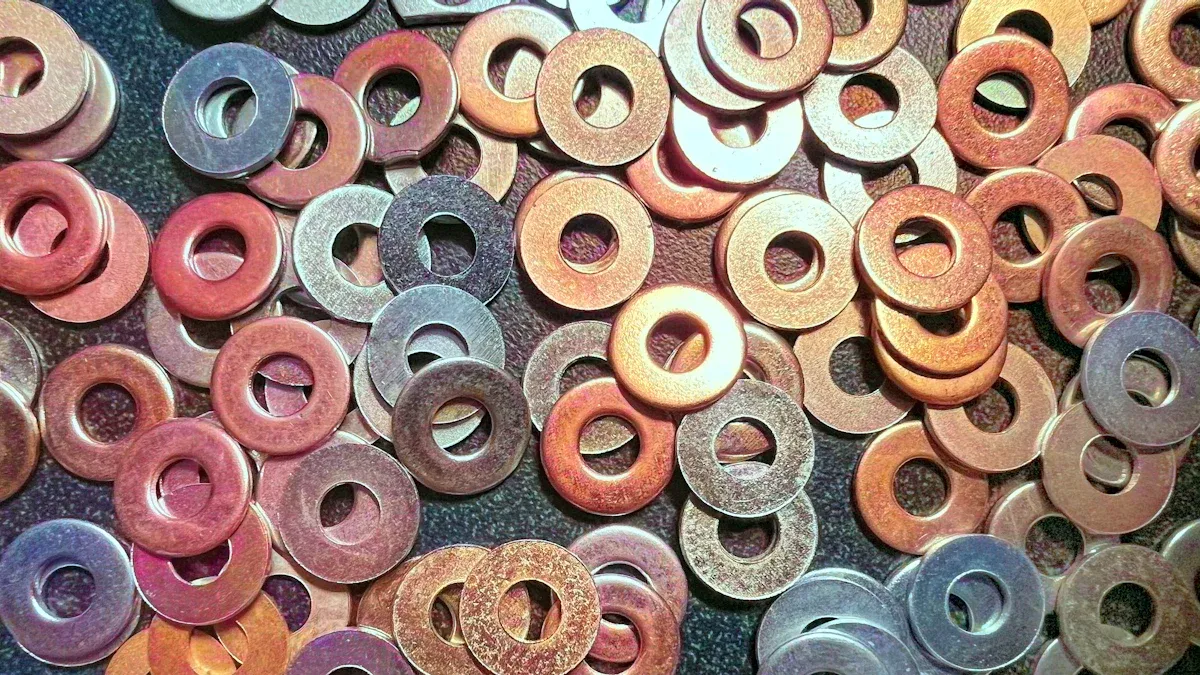
When you pick a stainless flat washer, it stops rust well. It also spreads pressure evenly on surfaces. These washers make your projects last longer. They also help things look nicer. But, you might have to pay more for them. There can be some problems in tough places. The table below shows the main good and bad points. These can change how you build things.
| Advantages | Disadvantages |
|---|---|
| Great at stopping rust | Costs more than other materials |
| Spreads pressure and protects surfaces | Can rust in places with lots of chloride |
Key Takeaways
- Stainless flat washers do not rust easily. They also do not corrode. This makes them good for wet places. They are also good for places with chemicals.
- These washers spread out the load. This helps protect surfaces. It also keeps joints tight. Your projects can last longer this way.
- They do not need much care. This saves you time. It also saves you money over time.
- Stainless flat washers cost more. But they last a long time. This can make them a good buy.
- Always check what size washer you need. Make sure you pick the right type. This helps keep your project safe and strong.
Pros of stainless flat washer use
Corrosion resistance
If you want your project to last, corrosion resistance is important. This is a big reason to pick a stainless flat washer. Stainless steel has chromium in it. Chromium makes a thin layer on the washer’s surface. This layer keeps rust and damage away. You can use stainless flat washers in wet places. They also work near the ocean or in chemical plants. If you use the right grade, like 316, it can last over 50 years in saltwater if you take care of it. Here is a table that shows how different types of stainless steel compare:
| Material | Corrosion Resistance Description | Suitable Working Temperature |
|---|---|---|
| 304L Stainless Steel | Improved resistance to intergranular corrosion due to low carbon content. | Up to 760°C |
| 316 Stainless Steel | Higher strength and corrosion resistance due to increased molybdenum and nickel content. | Up to 760°C |
| 316L Stainless Steel | Enhanced stress resistance and intergranular corrosion resistance after decarbonization. | Up to 815°C |
You can see that stainless flat washers fight rust well in many places.
Tip: For jobs near the sea, always pick the right grade of stainless steel for the best rust protection.
Durability and strength
Washers need to be strong and last a long time. Stainless flat washers are tough and do not break easily. They stay strong in hot and cold weather. The table below compares stainless steel washers to zinc washers:
| Comparison Aspect | Zinc Washers (Hot-Dip Galvanized) | Stainless Steel Washers (304/316) |
|---|---|---|
| Hardness Grade | 100-200 HV | 200, 300, 400 HV, and above |
| Corrosion Resistance | Zinc layer protects, but can rust | Overall corrosion resistance; 316 is best for salt and chemicals |
| High-Temperature Resistance | Zinc layer peels above 200°C | Resists 500-800°C; no discoloration |
Stainless flat washers stay strong, even when things get tough.
Load distribution and joint longevity
A stainless flat washer spreads out the force from bolts and nuts. This helps protect surfaces from dents and scratches. It also keeps joints tight for a long time. You do not have to worry about bolts getting loose from shaking. Here are some ways stainless flat washers help:
- They spread the load and stop surface damage.
- They help keep bolts tight by adding friction.
- Their rust resistance helps joints last longer.
Your projects will be safer and last longer.
Aesthetic appeal
If you want your work to look neat, use stainless flat washers. They look clean and shiny. They do not rust or stain, so your project stays nice. Builders use them where people can see them because they look good. You can use them with countersunk screws for a smooth finish. This makes them great for furniture, railings, and decorations.
- Finishing washers make things look neat and fancy.
- They cover sharp edges and make things safer.
- Shiny washers are perfect for decoration.
Low maintenance
Stainless flat washers save you time and money. They do not need much care. Because they fight rust, you do not have to replace them often. You do not need to paint or coat them to keep them working. The table below shows how stainless steel compares to other materials:
| Characteristics | Stainless steel | Aluminum | Copper | Brass | Galvanized steel |
|---|---|---|---|---|---|
| Resists corrosion | ✔ | ✔ | ✔ | ✔ | ✔ |
Stainless flat washers are easy to keep in good shape.
Sanitation and easy cleaning
You may need washers for kitchens, hospitals, or food factories. Stainless flat washers are simple to clean. Their smooth surface does not hold dirt or germs. You can wash them with soap and water. They do not rust, even if you clean them a lot. This makes them safe for places that must stay clean.
Versatility in applications
You can use stainless flat washers in many jobs. They work in building, marine, car, and electrical work. Their rust resistance and strength make them a top choice for tough places. Here is a table showing where you might use them:
| Industry/Application | Examples |
|---|---|
| General Fastening | Structural assemblies, marine, industrial equipment |
| Construction & Infrastructure | Bridges, buildings, heavy machinery |
| Marine & Offshore | Ships, docks, offshore platforms |
| Automotive & Aerospace | Engines, chassis, aerospace components |
| Industrial Machinery | Pumps, valves, pipelines, chemical processing units |
| Electronics & Electrical | Panels and equipment needing insulation and surface protection |
You can find stainless flat washers from trusted brands like Prince Fastener for all these uses.
Cons of stainless steel washers
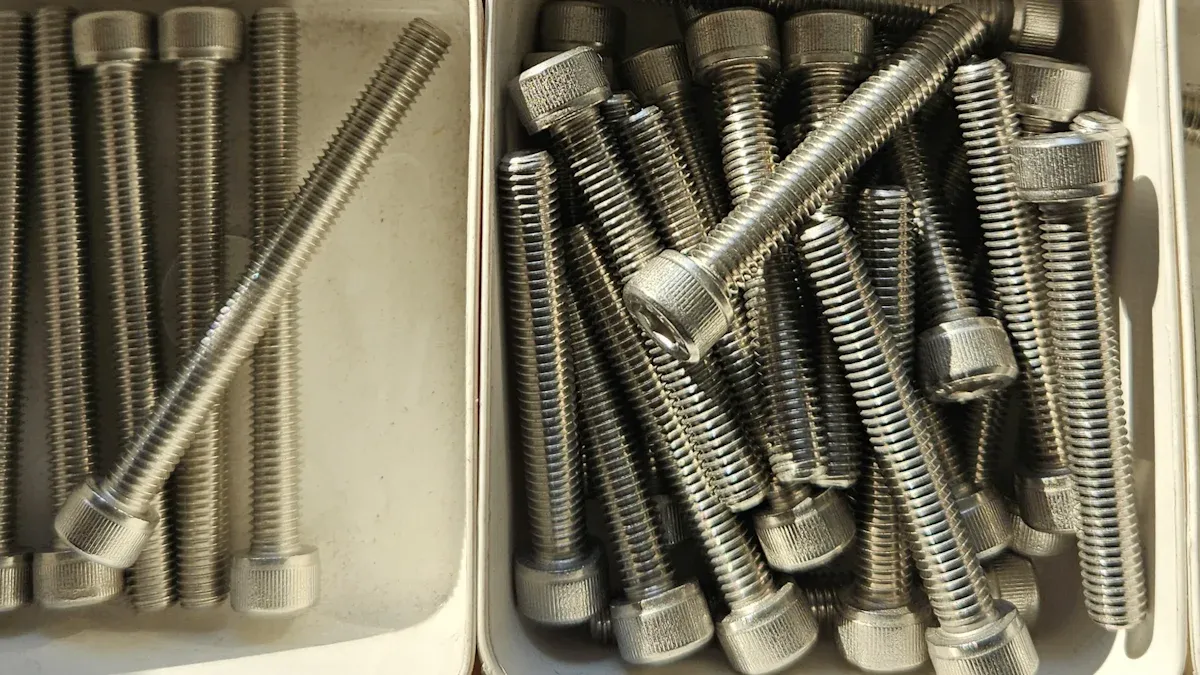
Higher cost
Stainless steel washers cost more than other types. The steel is high quality, and making them takes extra work. If you use a lot of these washers, your project can get expensive fast. This can make you spend more money than you planned. You might even have to wait for more money to finish your work. When the price of steel goes up, companies charge you more. This makes it harder to stay on budget.
- Stainless steel washers usually cost more at first.
- They last longer and fight rust, so they can be worth it for big jobs.
- Higher prices for fasteners can make building projects cost more and cause money problems.
Note: Always check your budget before you pick stainless steel washers for big jobs. Prince Fastener can help you choose washers that are good quality and not too expensive.
Galling and seizing risk
Stainless steel washers can have galling problems. Galling happens when two stainless steel parts rub and stick together. This can make nuts and bolts get stuck. It can be hard to take them apart. Galling happens more if you tighten bolts too fast or use power tools.
You can stop galling by doing these things:
- Use a stainless steel bolt with a strong, coated steel nut.
- Pick different grades of stainless steel for bolts and nuts.
- Use coarse threads, not fine ones.
- Put on slippery coatings like PTFE or Xylan®.
- Use silver plating for special fasteners.
- Tighten bolts slowly and carefully.
- Do not use power tools for the last turn.
- Try special grease like Lubrinox to stop sticking.
If you do these things, you can have fewer problems with galling when you use stainless steel washers.
Galvanic corrosion risk
Stainless steel washers can cause galvanic corrosion with other metals. This happens when two different metals touch and get wet. The weaker metal will rust faster. The risk is higher if the washer is much bigger or smaller than the other metal. Saltwater or other liquids can make this happen faster.
Here are the main things that make galvanic corrosion worse:
- How far apart the metals are in the galvanic series.
- The size difference between the two metals.
- How well the liquid carries electricity between the metals.
You can stop galvanic corrosion by:
- Putting something that does not carry electricity between the metals.
- Using sealants or special coatings.
- Putting grease on the fasteners.
- Keeping water away from the joint.
- Picking metals that are alike.
- Using rubber or plastic washers as a barrier.
- Using fasteners made from the same metal as the parts.
Tip: Always check which metals you use together. Prince Fastener can help you pick the right materials to stop rust.
Welding difficulty
It is hard to weld stainless steel washers. You need special tools and skills to weld them. If you do not use the right way, the washer can get weak or rusty. Many builders do not weld stainless steel washers because it is tricky. You might need to hire experts or buy special tools, which costs more money.
Availability and sizing issues
Stainless steel washers come in many sizes. Small washers are easy to find and fit lots of jobs. Big washers are also common for building and machines. This makes stainless steel washers easier to get than some other types. But you can still have problems if you pick the wrong size.
Common sizing problems are:
- Picking a washer that is too small, which can hurt the surface.
- Using a washer that is too big, which can make the joint weak.
- Choosing the wrong size, which does not give good support.
Always check the size and fit before you buy. This helps keep your project safe and strong.
Note: Prince Fastener has many sizes of stainless steel washers to help you find the right one.
Practical considerations for washer selection
When to choose stainless flat washers
Pick stainless flat washers if you want strong joints that last. These washers work well in wet, chemical, or outdoor places. You can use them for bridges, boats, or food factories. They are good when you need to spread heavy weight or keep bolts tight when things shake.
Stainless steel washers do not rust easily. They are great for steel joints that get wet, have chemicals, or are outside.
Here are some steps to help you pick:
- Think about your job. Where will you use the washer? It could be for building, machines, or electrical work.
- Pick the right material. Stainless steel fights rust best. Other materials can cost less.
- Check the size. Make sure the washer fits your bolt or screw.
- Look at the weight. Choose the right thickness and size for even pressure.
You should also think about heat, chemicals, and shaking. If you need help, Prince Fastener has many sizes and types for different jobs.
| Feature | Description |
|---|---|
| Exceptional Corrosion Resistance | Does not rust easily, even in tough places. |
| High Strength and Durability | Stays strong and lasts a long time, even with heavy use. |
| Superior Load Distribution | Spreads force evenly, which protects your joints and surfaces. |
When alternatives may be better
Sometimes, other washers are a better choice than stainless flat washers. You might want to save money or need something lighter. You may also need special washers, like ones that lock or act like springs.
- Lock washers stop bolts from coming loose in machines.
- Belleville washers keep pressure steady in tough jobs.
- Wave washers bend and help with shaking.
- Copper washers are good for soft connections and cut down on shaking.
- Low-carbon steel washers are strong and cost less.
| Factor | Considerations |
|---|---|
| Application | See if you need extra strength or special features. |
| Environmental Conditions | Think about wet, chemical, or hot places. |
| Cost Considerations | Look at the price now and how long the washer will last. |
| Weight Constraints | Pick lighter washers if weight matters, like in cars or planes. |
You can ask Prince Fastener for help picking the right washer. This helps you see why washers matter and choose the best one for your job.
You gain strong corrosion resistance, durability, and easy maintenance with stainless flat washers. You face higher costs and risks like galling or sizing issues. To choose the right washer, follow these expert steps:
- Assess your environment for water, salt, or chemicals.
- Pick the correct washer type for your project.
- Match washer size to bolt size.
- Request material certifications for critical jobs.
- Check for a bright, uniform finish.
- Buy from trusted brands like Prince Fastener.
- Avoid vague sellers or unclear grades.
FAQ
What is a stainless flat washer used for?
You use a stainless flat washer to spread the load of a bolt or screw. It protects surfaces from damage and helps keep joints tight. You see them in building, machines, and even cars.
Can stainless flat washers rust?
Stainless flat washers resist rust very well. If you use the right grade, like 316, they last a long time. In places with lots of salt or chemicals, you should always pick the best grade for extra protection.
Are stainless flat washers safe for food or medical use?
Yes, you can use stainless flat washers in kitchens, hospitals, and food factories. They clean easily and do not hold germs. Many people choose them for sanitary jobs.
Where can I buy quality stainless flat washers?
You can find high-quality stainless flat washers at Prince Fastener. They offer many sizes and grades for different jobs. You can ask their team for help if you are not sure what you need.


 English
  Español
  Português do Brasil
  Русский
  日本語
日本語  العربية