
When you pick screws for metal studs, think about three things. Look at the type, the size, and the coating. These choices help you not make mistakes. You can stop problems like weak builds, rust, broken screw heads, and messed-up threads.
Many people make these mistakes:
- Choosing screws that are too short or too long
- Using screws made from the wrong stuff
- Breaking screw heads by using the wrong tool
- Not making pilot holes in hard metal
- Tightening screws too much
Both DIYers and pros do better with smart screw choices. You get strong and safe results every time.
Key Takeaways
- Pick the right screw for your job. Use self-drilling screws when joining metal pieces. Use fine-thread drywall screws to attach drywall.
- Make sure you choose the correct screw size. Match the screw’s length and width to the material’s thickness. This helps make strong connections.
- Think about corrosion resistance. Use screws with special coatings for indoor or outdoor use. This stops rust and helps screws last longer.
- Try not to make common mistakes. Always check if the screw works with your materials. Do not tighten screws too much. Make sure screws are lined up right. This keeps joints strong.
- Look at your materials before you start. Check for any damage. Make sure surfaces are clean before you install. This helps you get the best results.
Screw Types for Metal Studs
Self-Drilling Screws
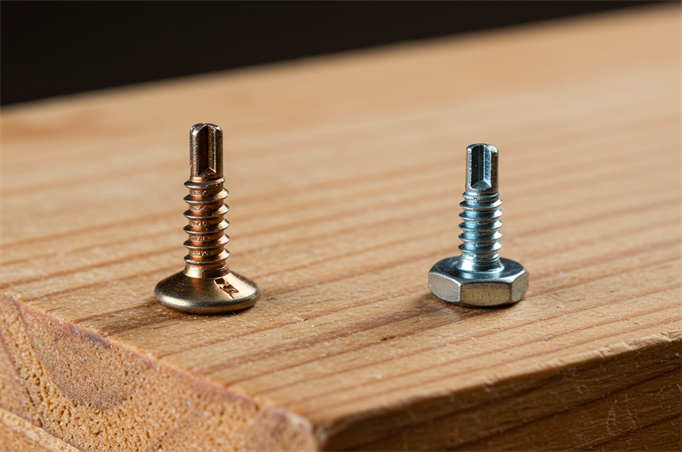
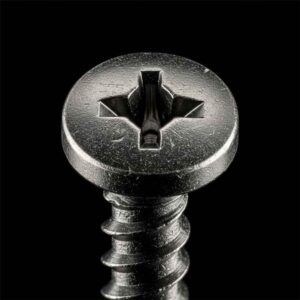
You need self-drilling screws when you join metal studs together. These screws have a sharp tip that drills into metal without a pilot hole. You save time and avoid extra steps. For stud-to-stud connections, use #10 x 3/4″ Modified Truss Head Self-Drilling Screws. These screws grip metal tightly and resist stripping. You can also choose Phillips pan head self-tapping screws for a flush finish. Hex washer head screws help spread the load and lower the risk of pull-through.
Tip: Building inspectors look for the right fasteners during framing inspections. If you use the wrong screws or not enough, you may fail the inspection.
Self-drilling screws work best with metal studs thicker than 20 gauge. You get strong joints and reliable performance. Manufacturers test these screws for strength, durability, and corrosion resistance. They use destructive testing and check for compliance with standards like ASTM and ICC-ES.
Fine-Thread Drywall Screws
Fine-thread drywall screws work well with thinner gauge metal studs. You use these screws to attach drywall to metal framing. The fine threads grip the metal better and prevent slipping. Self-drilling drywall screws also help you attach drywall without pre-drilling. You get a smooth finish and avoid damaging the metal.
Note: If you use coarse-thread screws, you may strip the metal or fail to hold the drywall securely.
Fine-thread drywall screws come in different lengths and diameters. You should pick the right size for your project. These screws are made from hardened steel or stainless steel for extra strength and corrosion resistance.
Best Use Cases
You need to match the screw type to your task. Here are the best use cases:
- Use self-drilling screws for stud-to-stud connections and thicker metal studs.
- Choose fine-thread drywall screws for attaching drywall to thinner metal studs.
- Pick Phillips pan head self-tapping screws for a flush finish on visible surfaces.
- Select hex washer head screws when you want to spread the load and reduce pull-through risk.
You should always check the gauge of your metal studs before choosing screws. If you use the wrong type, you risk weak joints or failed inspections. Manufacturers test screws in many construction sectors, including residential and commercial projects. They focus on risk reduction and product quality.
Reminder: The right screws help you pass inspections and keep your build safe and strong.
Screw Size Guide
Length for Drywall and Framing
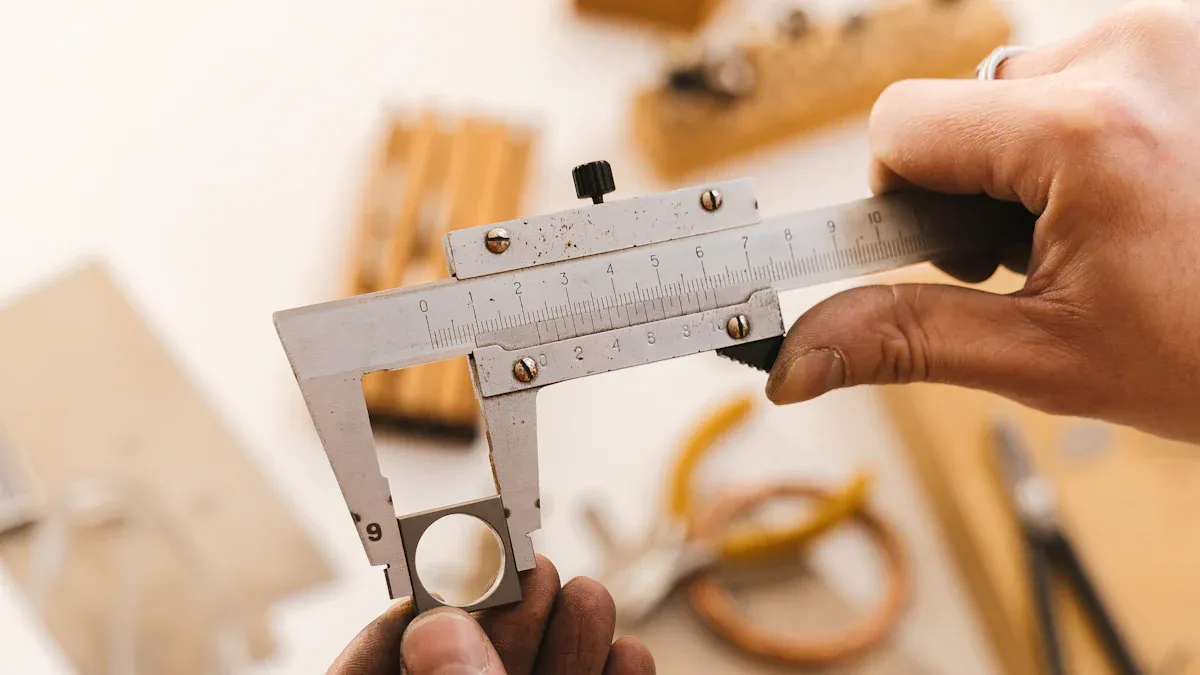
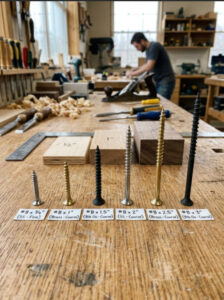
You need to choose the right screw length for each job. When you attach 1/2-inch drywall to metal studs, use screws that are 1-1/4 inches long. This length gives you enough grip without poking through the other side. For thicker drywall or heavier framing, pick screws that are 1-5/8 inches or even 2 inches long. Longer screws work well for double layers of drywall or when you need extra holding power.
Tip: Shorter screws often hold heavy objects better. If you use longer screws, you may lose stability and lower the load-bearing strength. Always match the screw length to the weight and thickness of what you are fastening.
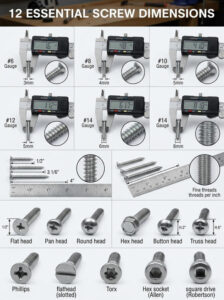
Diameter Choices (#6, #8, #10)
You see different screw diameters for metal stud projects. The diameter affects how much weight the screws can hold and how well they grip the metal. Here is a quick guide:
| Screw Diameter | Typical Use |
|---|---|
| #6 | Standard choice for most metal stud framing |
| #8 | Provides adequate shear and tensile strength |
| #10 or above | Used for attaching heavier accessories, requires higher torque and may deform thinner gauge studs |
Pick #6 screws for basic framing tasks. Use #8 screws when you need more strength, like for hanging shelves or cabinets. Choose #10 screws for heavy-duty jobs, but check the thickness of your metal studs first. Thinner studs may bend or deform if you use large diameter screws.
Application-Based Sizing
You need to match screw size to each task. Here are some examples:
- Use 1-1/4 inch #6 screws for attaching 1/2-inch drywall to metal studs.
- Pick 1-5/8 inch or 2 inch #8 screws for thicker drywall or double layers.
- Choose #10 screws for mounting heavy items, such as TV brackets or large mirrors.
- For light fixtures or small shelves, #8 screws usually provide enough strength.
Always check the thickness of your metal studs before you select screws. If you use screws that are too large, you may damage the studs. If you use screws that are too small, you risk weak connections. The screw size guide helps you avoid these problems and build safe, sturdy walls.
Note: You get the best results when you match screw length and diameter to the job. This keeps your build strong and prevents failures.
Screw Recommendations and Coating
Corrosion Resistance
You want screws to last a long time. This is important in wet or salty places. The right coating helps stop rust. Zinc, cadmium, and chrome coatings protect screws from rust. Wet air and saltwater make screws rust faster. For these places, 316 marine grade stainless steel screws work best. Hot-dip galvanized screws can last up to 71 years if the air is not too harsh. Zinc-nickel and zinc flake coatings can protect screws for up to 25 years. If you want good screws, Prince Fastener has some with strong coatings. These help your projects last in tough weather.
Tip: If screws get scratched or touch strong chemicals, the coating may not work well. Always check your screws before you use them.
Indoor vs. Outdoor Use
You need to pick screws that fit where you use them. For inside jobs, zinc-plated screws are good. They work well if there is not much water. For outside jobs, you need screws that do not rust. Stainless steel screws, like 305 or 316, are best for decks, fences, or near the ocean. Screws with yellow zinc or WAR Coating give extra rust protection outside.
| Screw Type | Indoor Use | Outdoor Use | Notes |
|---|---|---|---|
| Zinc-plated screws | Yes | No | Good for a little water, not for lots of water. |
| Stainless steel 305 | No | Yes | Great for most outdoor projects. |
| Stainless steel 316 | No | Yes | Best for places with saltwater. |
| Coated screws | No | Yes | Extra help to stop rust. |
Material Compatibility
You should make sure your screws match your metal studs. Electroplated finishes help screws move with heat and stop damage. Stainless steel screws work with most metal studs and help stop rust from water. Sealing screws keeps water out and makes them last longer. Prince Fastener has screws that work well with metal studs. These screws are strong and do not rust easily.
Note: The right coating and screw material keep your build safe and strong for many years.
Quick Tips and Common Mistakes
Installation Tips
You want every screw to hold tight and last. Start by using the right driver speed. If you go too fast, you can strip the threads or overheat the screws. Moderate speed helps the screw point pierce the metal and lets the threads form without damage. Adjust the clutch on your driver so you do not over-tighten or under-tighten. Bugle heads should sit flush in drywall, and self-tapping screws should not strip the stud. Always hold the screw square to the stud. This keeps the hole round and strong, and it stops wobble or elongated holes.
Tip: Check that your screws match the metal stud thickness. If you use self-tapping screws, make sure they are rated for the gauge of your studs.
You should inspect drywall for cracks or water damage. Touch up paint and joint compound to fix small flaws. Keep drywall dry and ventilated to prevent mold. Check seals around windows and doors for soundproofing. Use anchors and fasteners made for heavy items so you do not stress the drywall.
Mistakes to Avoid
Professional contractors see many common mistakes with screws in metal studs. Here are the top errors:
- Using screws not designed for metal studs. This leads to weak connections.
- Picking screws that are too short. Short screws can loosen under load.
- Over-driving or under-driving screws. This damages the screw or weakens the joint.
- Misaligning studs and tracks. You get poor finishes and structural problems.
- Ignoring corrosion risks. Wrong screws can rust and fail.
- Skipping surface prep. Dirty or uneven surfaces make screws sit poorly.
| Cause of Failure | Description |
|---|---|
| Over- or under-tightening | Too much torque can break screws; too little lets joints loosen. |
| Galvanic corrosion | Mixing metals can cause rust and weaken screws. |
| Thread stripping | Happens when screws are misaligned or driven into soft metal. |
| Vibration loosening | Movement can back off screws unless you use locking features. |
| Incompatible finishes or materials | Wrong coatings can speed up rust or joint failure. |
Safety risk: Using the wrong screws can cause weak connections, material damage, or even complete project failure if the grip or coating is wrong.
You can build strong, safe walls by choosing the right screw type, size, and coating. Fine threads grip metal studs without stripping. Sharp, self-drilling points save time and effort. Corrosion-resistant coatings protect your work for years.
| Feature | Benefit |
|---|---|
| Fine threads | Hold metal studs securely |
| Self-drilling points | No need for pre-drilling |
| Corrosion-resistant coat | Long-lasting durability |
Follow these steps for reliable results. Your projects will pass inspections and stand the test of time. Start your next build with confidence!
FAQ
What type of screws for metal studs should you use for drywall?
You should use fine-thread drywall screws for metal studs. These screws grip thin metal well and prevent stripping. Always check the length to match your drywall thickness.
Can you use wood screws for metal studs?
You should not use wood screws for metal studs. Wood screws do not have the right threads or strength. Choose screws for metal studs that are self-drilling or fine-thread for best results.
How do you prevent rust on screws for metal studs?
You can prevent rust by choosing screws for metal studs with zinc, galvanized, or stainless steel coatings. These coatings protect against moisture and corrosion. Always inspect screws before installation.
What size screws for metal studs work best for hanging shelves?
You should use #8 or #10 screws for metal studs when hanging shelves. Pick a length that reaches through the stud and supports the shelf weight. Always check the stud gauge before choosing.
Do you need pilot holes for screws for metal studs?
You do not need pilot holes for self-drilling screws for metal studs. These screws have sharp tips that cut into metal. For thicker studs, pilot holes may help prevent splitting or stripping.


 English
  Español
  Português do Brasil
  Русский
  日本語
日本語  العربية