You can see the main difference between screw fasteners and bolts by looking at how they hold things together. Bolts need a nut and a hole that is already made. Screws make their own threads in the material. This difference matters because using the wrong fastener can cause trouble. Only 5% of mechanical failures happen from picking the wrong type. But knowing which one to use helps you avoid mistakes and make stronger projects.
Key Takeaways
- Screws make their own threads in things. Bolts need a nut to stay tight.
- Pick screws for light jobs. Use bolts for heavy work. This helps keep things strong and safe.
- Always use the right fastener for the material. Match it to how much weight it will hold. This makes things last longer and work better.
- Use screwdrivers for screws. Use wrenches for bolts. The right tool makes the job easier and safer.
- Check fasteners often. This helps stop problems. It keeps your projects strong and safe.
Screw Fasteners vs. Bolts
What Are Screw Fasteners?
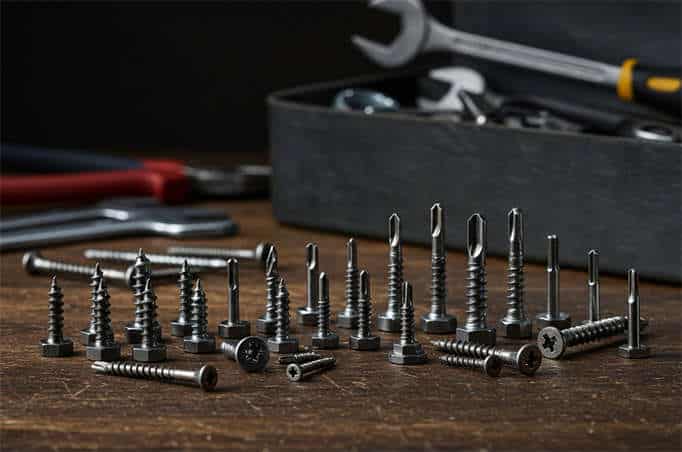
Screw fasteners help join things together. There are many types, like machine screws, tapping screws, and drive screws. You can look up what these mean in engineering books. The table below lists some common standards for screw fasteners:
| Standard | Description |
|---|---|
| ASME B18.12 | Glossary of Terms for Mechanical Fasteners |
| ASME B18.2.6 | Fasteners for Use in Structural Applications: General and dimensional data |
| ASME B18.18.1 | Inspection and Quality Assurance for General Purpose Fasteners |
| ANSI/ASME B18.6.3 | Machine Screws, Tapping Screws, and Metallic Drive Screws |
| ASTM A582 | Free Machining Stainless Steel Bars |
Screws make their own threads or fit into holes with threads. You turn the screw’s head to make it tight. People use screws in wood, metal, or plastic. You do not need a nut to hold a screw in place.
What Are Bolts?
Bolts are another kind of fastener. You use bolts when you need to join parts with strong force. Bolts go through holes that do not have threads. You put a nut on the other side to keep the bolt in place. The table below shows the main features of bolts:
| Specification | Description |
|---|---|
| Diameter | Critical for load-bearing capacity and fit within pre-drilled holes. |
| Material | Determines strength, resistance to environmental conditions, and suitability for applications. |
| Common Materials | Steel, Stainless Steel, Brass, Bronze, and Titanium, each with unique properties and applications. |
Bolts usually have a smooth part and threads at the end. You see bolts used in building, machines, and other tough jobs. Bolts make strong and safe joints.
Key Differences
You can tell screws and bolts apart by how you use them and how they work:
- Screws make their own threads or fit into holes with threads. You use a screwdriver or tool to tighten screws.
- Bolts need a nut to hold them. You put bolts through holes without threads and use a nut to secure them.
- Bolts often have a smooth part and are measured by diameter. Screws might have threads along the whole body.
- Screws are good for lighter jobs and small tasks. Bolts are better for heavy loads and big projects.
Tip: To pick the right fastener, think about the load and the kind of joint you need. Screws are best for light work. Bolts are best for strong, heavy-duty jobs.
The table below shows how bolts and screws are different in holding power and load:
| Feature | Bolts | Screws |
|---|---|---|
| Load Distribution | Spreads the load over a bigger area with nuts and washers. | Makes threads in the material, good for lighter loads. |
| Holding Strength | Holds more weight because of nuts and washers. | Usually holds less weight, made for smaller jobs. |
You need to know these differences to choose the right fastener. Picking the wrong one can make joints weak or cause them to fail. At Prince Fastener, you can get both screws and bolts for any job. When you know the difference, you make your projects safer and stronger.
Design and Function
Physical Features
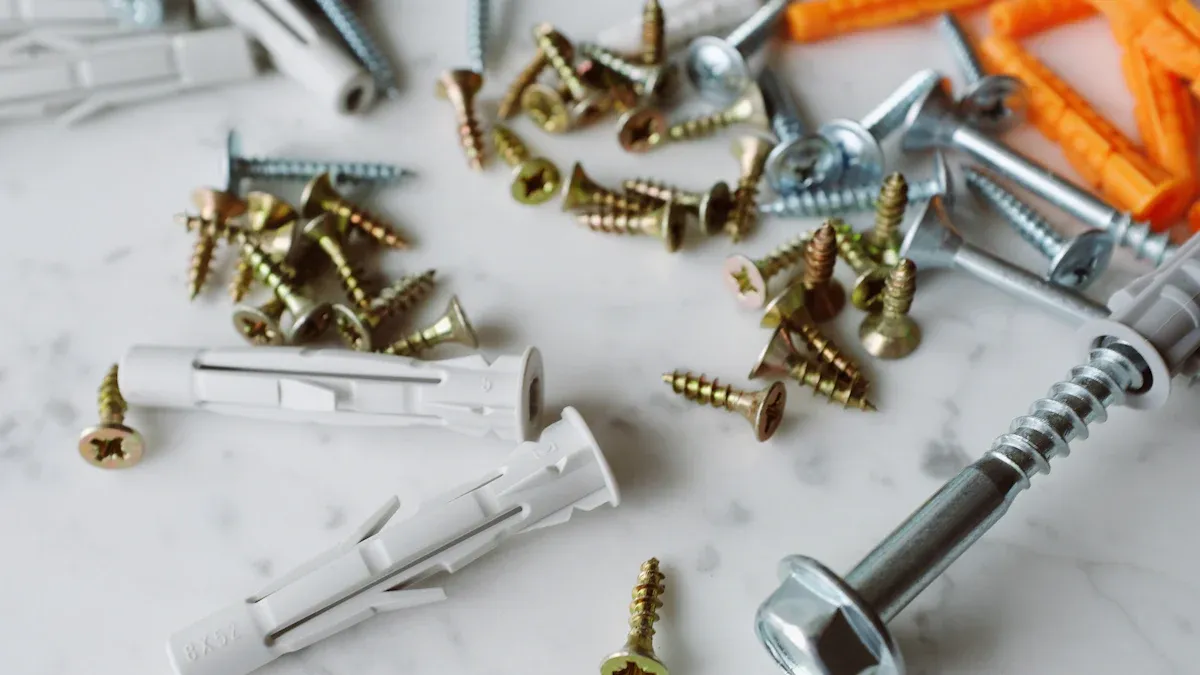
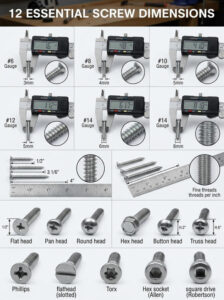
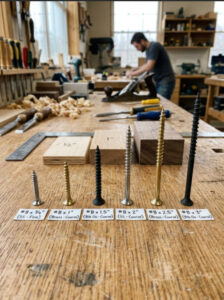
You can spot the difference between screw fasteners and bolts by looking at their shapes and sizes. Bolts usually look bigger and longer than screws. You see bolts with a smooth shank and threads only at the end. Bolts work with nuts and washers. Screws have threads along their entire length. You find screws in many types, such as machine screws, wood screws, and sheet metal screws.
Here are some key features you can check:
Bolts
- Longer than the material you fasten
- Designed for use with nuts and washers
- Threaded shaft with a smooth shank
- Larger size and higher resistance
- Used in pre-threaded holes
Screws
- Threads run along the whole body
- Can create their own threads
- Smaller size and lower resistance
- Inserted into pre-threaded holes or can tap into materials
- Helical grooves help them grip materials tightly
You also notice differences in head shapes and thread types. The table below shows some common examples:
| Type | Head Shape | Thread Type |
|---|---|---|
| Hex Head Cap Screw | Hexagonal | Threaded to the head |
| Square Head Cap Screw | Square | Threaded to the head |
| Bolt | Various | Usually not threaded to the head |
Tip: When you shop at Prince Fastener, you can find bolts and screws with many head shapes and thread styles for every project.
How They Work
Screw fasteners and bolts hold materials together in different ways. You drive screws directly into materials. Screws often do not need nuts. The threads cut into wood, metal, or plastic, making a tight grip. You use a screwdriver or drill to turn the screw and secure it.
Bolts work with nuts. You push the bolt through a hole, then tighten a nut on the other side. Bolts need washers for better load distribution. You use a wrench or socket to turn the bolt head and lock the joint.
The table below shows how screws and bolts work:
| Feature | Screw | Bolt |
|---|---|---|
| Design | Driven into materials | Inserted through holes with a nut |
| Requirement | Often does not need a nut | Needs a nut for strength |
| Application | Joins surfaces directly | Used with nuts and washers |
| Head | Many shapes, not always for torque | Designed for tool engagement |
| Threading | Can tap into soft materials | Needs pre-existing holes |
You can choose the right fastener by thinking about how you want to join your materials. Prince Fastener offers both screws and bolts, so you always find the best fit for your job.
Installation Methods

Installing Screw Fasteners
You put screws straight into the material. People use screws for wood, metal, or plastic. Screws make their own threads as they go in. This helps them hold on tight. Most screws do not need a nut to stay in place. You can use a screwdriver or a power drill to put in screws faster. Think about how much weight the joint will hold before you pick screws. Screws are good for light jobs. Clean the surface before you start so nothing gets in the way. Pick a screw that matches the material and the weight it needs to hold.
Installing Bolts
Bolts are best for heavy jobs and big loads. You push bolts through holes that fit the bolt size. Put a washer and a nut on the other side of the bolt. This spreads out the weight and makes things stronger. Bolts are used for tough work and heavy things. Make sure the holes line up right so there is no extra stress. Check the threads and change out any bolts that look damaged. Prince Fastener has bolts in many sizes and materials for your project.
Required Tools
You need the right tools to put in fasteners. The tools you use can make the job faster and safer. Here are some tools you might need for screws and bolts:
- Screwdrivers: You use these to turn screws. Flat-head and Phillips screwdrivers fit different screw shapes.
- Pliers: You can grip, twist, or cut fasteners with pliers.
- Hammers: You use hammers to drive nails or pull out fasteners.
- Power Tools: Electric drills and impact drivers help you work faster.
- Taps and Dies: These tools cut or fix threads in metal for bolts.
- Rivet Tools: You use rivet guns to put in rivets.
- Fastener Removal Tools: Screw extractors and bolt cutters help you take out broken fasteners.
Tip: Always check that holes line up and surfaces are clean before you start. This helps you avoid mistakes like crooked holes or dirty spots.
The table below shows mistakes people make and how to stop them:
| Mistake | Description | How to Avoid It |
|---|---|---|
| Poor Hole Alignment | Holes that do not line up can cause breaks. | Use tools to check holes, look at holes, do not force fasteners. |
| Reusing Damaged or Old Fasteners | Old or broken fasteners can make things weak. | Use new fasteners, follow rules for reuse, store them right. |
| Inadequate Surface Preparation | Dirt or oil can make fasteners come loose. | Clean everything, wipe off dirt, use the right oils. |
| Using the Wrong Thread Type | Wrong threads can break or get stuck. | Check thread size, use gauges, label bins. |
| Ignoring Environmental Conditions | Weather can make fasteners weak over time. | Pick the right fasteners, use coatings, add anti-seize stuff. |
| Lack of Regular Inspection | Worn fasteners can break without warning. | Check fasteners often, change old ones, keep good records. |
Think about the load and the material before you pick a fastening method. Prince Fastener can help you find screws and bolts for any job. You get strong and safe results when you use the right tools and avoid mistakes.
Applications of Screw Fasteners and Bolts
Typical Uses for Screw Fasteners
Screw fasteners are used in many jobs. You see them in building and making things. Screws help you finish work fast and keep things together. Here are some ways people use screws:
- Drywall uses screws with different threads. These screws stop tearing and hold tight in wood or metal.
- Metal and wood frames use strong screws. Screws work better than nails for tough jobs.
- Concrete and masonry screws go into hard materials. You do not need extra anchors. The threads grip the material well.
Screw fasteners are good when you need a tight fit. They are easy to put in. People pick screws for fixing things at home, putting furniture together, and small factory jobs. Prince Fastener has many kinds of screws for every job.
Typical Uses for Bolts
Bolts are important when you need strong and lasting joints. You see bolts in many places and jobs. The table below shows where bolts are used most:
| Application Category | Description |
|---|---|
| Steel Framework | Joins beams and columns in buildings and bridges. |
| Concrete Anchoring | Holds structures to concrete bases. |
| Railway and Highway Construction | Keeps tracks and guardrails safe. |
| Automotive Industry | Puts together cars and holds engine parts. |
| Aerospace Industry | Used in planes for strong and light parts. |
| Manufacturing Equipment | Builds machines like conveyors and robots. |
| Agricultural Machinery | Used in tractors and harvesters for tough work. |
| Heavy Equipment | Puts together big machines for building and mining. |
| Marine and Offshore Applications | Used in ships and platforms to fight rust. |
| Household and DIY Projects | Used in furniture and home fixes for strong joints. |
Bolts are best for jobs that need to hold a lot of weight. They make joints last a long time. Prince Fastener has bolts for all these uses.
Choosing Based on Application
You must pick the right fastener for your work. Using screws or bolts changes how safe and strong your project is. The right fastener makes your project last longer and need fewer fixes. You get the best results when you match the fastener to the job. For tough places like oil and gas or power plants, you need special fasteners.
Tip: Always think about the weight, material, and place before you pick screws or bolts. Prince Fastener can help you choose the best fastener for any job.
Pros and Cons
Screw Fasteners: Advantages and Disadvantages
People pick screws when they want to build things fast. Screws are used in furniture, electronics, and cars. You can put screws in and take them out easily. Their shape lets you use them for many jobs. Screws make strong joints that do not come loose when things move. You see screws in light things like gadgets because they hold parts tight.
- You can put parts together and take them apart fast.
- Screws work for many jobs, like fixing things at home.
- Screws make strong joints that stay tight when things shake.
- Screws are good for light projects.
- You find screws in lots of everyday items.
Note: Prince Fastener has many screws for all your building needs.
Screws do not work well for every job. The table below shows the main problems:
| Disadvantage | Description |
|---|---|
| Material Limitations | Screws do not work well in hard stuff. They might break or not make good threads. |
| Structural Weaknesses | Screws cannot hold as much weight as other fasteners. |
| Vibration Loosening | Screws can come loose if things shake a lot. |
| Limited Reusability | Screws get weaker each time you use them again. |
| Thread Quality Variability | Bad threads can make the joint weak and not safe. |
Bolts: Advantages and Disadvantages
People use bolts when they need strong and safe joints. Bolts are better for heavy jobs and last longer. You see bolts in buildings, bridges, and machines. Bolts help keep things safe and stop them from breaking. Bolts do not wear out fast, so you spend less fixing things. Bolts help you work faster and safer in tough jobs.
- Bolts are strong and last long for heavy things.
- Bolts make your projects safer and more reliable.
- You do not have to fix bolts often because they last.
- Bolts help you finish work faster.
- Bolts meet rules for quality in big jobs.
Tip: Prince Fastener sells bolts that meet safety rules and work well.
Bolts have some problems too, especially if you need to take things apart a lot. The table below explains these problems:
| Disadvantage | Description |
|---|---|
| Can loosen under vibration | Bolts can come loose if things move or shake, so you must check them. |
| Need for maintenance | Bolts need regular checks, oil, and sometimes new ones. |
| Installation challenges | Bolts are hard to put in or take out if holes or threads are not right. |
Think about these good and bad points before you pick screws or bolts. Prince Fastener can help you choose the best one for strong and safe work.
Choosing the Right Fastener
Key Factors
You need to look at several important factors before you pick a screw fastener or a bolt. Each project has its own needs. The right choice helps your work last longer and stay safe. Here is a table that shows what you should think about:
| Factor | Description |
|---|---|
| Durability | Make sure the fastener can handle the weight and force of your project. |
| Environmental Conditions | Pick fasteners that resist UV light, temperature changes, and rust if you work outdoors. |
| Material Selection | Choose from aluminum, brass, or steel based on cost, strength, and how long you want it to last. |
| Sizing | Use bigger fasteners for heavy jobs and smaller ones for tight spaces. |
| Specific Application Needs | Match the fastener type and head shape to what your project needs. |
Tip: Prince Fastener offers a wide range of screws and bolts. You can find the right size and material for any job.
Matching Fastener to Material
You must match the fastener to the material you are joining. This step keeps your project strong and safe. Fasteners come in many materials, each with special uses:
- Steel: Strong and versatile. Often coated to stop rust.
- Stainless Steel: Great for wet places or near the ocean. Resists rust very well.
- Brass: Good for looks and electrical work. Does not rust easily.
- Aluminum: Light and resists rust. Works well outdoors and in cars.
Selecting the right material affects how long your fastener lasts and how well it works. You should also follow these steps:
- Check the load your fastener must hold. Think about pulling, twisting, or sideways forces.
- Make sure the fastener and the material you join work well together. This stops rust and damage.
- Look at where you will use the fastener. Wet, hot, or chemical-heavy places need special fasteners.
Note: Prince Fastener can help you choose fasteners that match your material and environment. This makes your project safer and more reliable.
Now you know how screw fasteners and bolts are not the same. They look different, work differently, and go in differently. Picking the right one keeps your project safe and saves money later. The table below shows how screws and bolts work over time:
| Feature | Screws | Bolts |
|---|---|---|
| Load Capacity | Lower | Higher |
| Clamping Force | Less | Superior |
| Installation | Easier | Needs more steps |
Cannick says, “If you use the wrong fastener, things can get weak and unsafe.”
Prince Fastener helps you pick the best fastener for strong and safe work. Use these ideas to help your projects last longer.
FAQ
What is the main difference between a screw and a bolt?
You use screws to make threads in materials. Bolts need nuts to hold things together.
Prince Fastener can help you pick the right one for your project.
Can you reuse screws and bolts?
You can reuse bolts more often than screws. Screws may lose grip after removal.
- Always check for damage before reusing.
- Prince Fastener offers new fasteners for safe projects.
Which fastener is better for wood?
Screws work best for wood. They grip tightly and do not need nuts.
For woodwork, choose wood screws from Prince Fastener for strong joints.
What tools do I need for installation?
You need a screwdriver for screws and a wrench for bolts. Power tools make work faster.
| Fastener | Tool Needed |
|---|---|
| Screw | Screwdriver |
| Bolt | Wrench |
Where can I buy quality fasteners?
You can find high-quality screws and bolts at Prince Fastener.
Visit Prince Fastener for expert advice and a wide selection.


 English
  Español
  Português do Brasil
  Русский
  日本語
日本語  العربية