
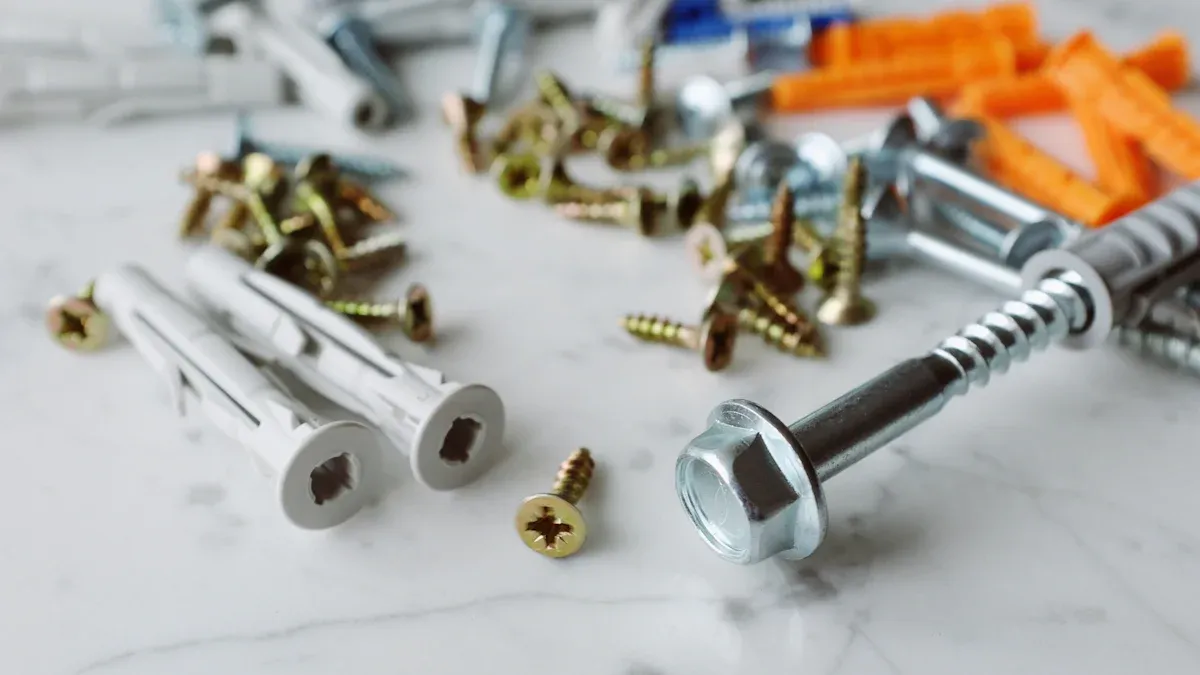
Вы можете задаться вопросом: “Какой полый стеновой анкер 3/8 я должен использовать для своего дома?”. Ответ зависит от нескольких ключевых моментов. Полый стеновой анкер 3/8 поможет вам безопасно повесить предметы на гипсокартон или другие полые стены. Выбор правильного анкера имеет значение для безопасности вашего дома и прочности вашего проекта. Прежде чем использовать любой анкер, обратите внимание на эти моменты:
- Вес или нагрузка: Убедитесь, что полый настенный анкер 3/8 может выдержать ваш товар.
- Материал стен: Некоторые анкеры лучше работают в гипсокартоне, другие подходят для массивных стен.
- Размер просверленного отверстия: Некоторые анкеры требуют больших отверстий, но обеспечивают большую поддержку.
Если вам нужен надежный результат, Prince Fastener предлагает варианты для любых нужд.
Основные выводы
- Сначала выясните, какого типа у вас стена. Гипсокартон, бетон и кирпич требуют разных анкеров для обеспечения безопасности.
- Всегда смотрите на сколько весит якорь может выдержать. Убедитесь, что его вес соответствует весу того, что вы хотите повесить. Это обеспечит безопасность и устойчивость.
- Подумайте о том, как легко установить анкер. Самозавинчивающиеся анкеры используются быстро. Сверхпрочные анкеры требуют больше инструментов и работы.
- Выберите правильный якорь для вашей работы. Для легких вещей используйте пластиковые анкеры-расширители. Для тяжелых полок или телевизоров используйте стяжные болты.
- Испытайте якоря, прежде чем использовать их. Это позволит убедиться, что они выдержат нужный вам вес. Это также поможет избежать несчастных случаев.
Сравнительный обзор полых стеновых анкеров 3/8
Типы якорей с первого взгляда
Когда вы ищете полый анкер для стен, вы увидите множество типов. Вы можете найти сверхпрочные полые стеновые анкеры, Полые анкеры из нержавеющей стали, пластиковые полые дюбели и короткие анкеры для гипсокартона. Каждый тип лучше всего подходит для разных работ. Одни анкеры подходят для гипсокартона, другие выдерживают более тяжелые нагрузки или особые материалы стен. Вы можете использовать эти анкеры для крепления полок, зеркал или светильников. Prince Fastener предлагает широкий ассортимент анкеров, поэтому вы можете выбрать лучший анкер для гипсокартона для вашего проекта.
Весовые характеристики и прочность
Вы хотите знать, какой вес может выдержать ваш якорь. Вот краткая таблица, которая поможет вам сравнить:
| Тип якоря | Номинальный вес (фунты) |
|---|---|
| Анкер с винтом 3/8″ | 1488 |
Все испытанные анкеры соответствуют или превышают свои весовые характеристики. Сверхпрочные анкеры обеспечивают большую прочность для больших предметов. Прежде чем использовать любой анкер в гипсокартоне, всегда проверяйте его номинал.
Сложность установки
Некоторые анкеры легко установить. Другие требуют больше практики. Вот таблица, которая покажет вам, как сравнивать каждый тип:
| Тип якоря | Сложность установки |
|---|---|
| Расширительные анкеры | Простота установки и удобство в работе |
| Резьбовые анкеры для гипсокартона | Самостоятельное сверление, простая установка |
| Переключить болты | Требуется практика и терпение |
Если вам нужна быстрая работа, используйте расширительные анкеры или самосверлящие анкеры для гипсокартона. Тумблерные болты хорошо подходят для тяжелых работ, но требуют больше времени.
Лучшее применение для каждого якоря
Для полок и шкафов можно использовать сверхпрочные полые стенные анкеры. Полые анкеры из нержавеющей стали хорошо работают во влажных помещениях. Пластиковые полые дюбели подходят для легких предметов, например, картинных рам. Короткие анкеры для гипсокартона помогут при монтаже небольших светильников. Лучшие анкеры для гипсокартона соответствуют типу стены и весу, который необходимо выдержать. Если вы хотите получить прочный и безопасный результат, выберите правильный анкер для гипсокартона. Prince Fastener позволяет легко найти идеальный анкер для любой работы.
Подробный справочник по анкерным креплениям для гипсокартона
Существует множество видов анкеров для гипсокартона, которые вы можете выбрать. Каждый тип лучше всего подходит для разных работ. Давайте рассмотрим основные типы. Вы увидите их положительные и отрицательные стороны. Вы также узнаете, как безопасно их использовать.
Пластиковые расширительные анкеры
Пластиковые расширительные анкеры очень распространены. Они есть в большинстве домашних наборов. Они хорошо подходят для легких работ. Их можно использовать для небольших фоторамок или украшений.
| Преимущества | Недостатки |
|---|---|
| Обычно входят в стандартные комплекты анкеров для гипсокартона для легких креплений | Со временем может разрушиться гипсокартон. |
| Простая установка для простых применений | Не рекомендуется профессионалами для строительных работ |
| Тип якоря | Весовая нагрузка |
|---|---|
| Пластиковые расширительные анкеры | 10-25 фунтов |
Плюсы:
- Новички могут легко использовать их.
- Они стоят недорого, и их легко найти.
- Хорошо подходит для легких вещей.
Конс:
- Не подходит для тяжелых работ.
- Может повредить гипсокартон, если использовать слишком большой вес.
- Не лучший вариант для длительного использования.
Совет по установке:
Сначала просверлите небольшое отверстие. Вставьте анкер. Вкрутите крепеж. Специальные инструменты не нужны.
Лучшие примеры использования:
Подвесьте легкие вещи, например, часы или настенное искусство. Prince Fastener предлагает пластиковые расширительные анкеры для быстрой починки.
Болты Molly (полые стеновые анкеры)
Болты Молли прочнее пластиковых расширительных анкеров. Используйте их для предметов среднего веса. Вот как использовать болты molly:
- Возьмите дрель, отвертку и болты molly.
- Просверлите отверстие, подходящее для анкера.
- Вставьте анкер и затяните винт. Анкер открывается за гипсокартоном.
Болты Molly выдерживают до 50 фунтов. Они подходят для полотенцесушителей, карнизов и крючков для одежды.
| Тип якоря | Грузоподъемность (фунты) | Лучшее для |
|---|---|---|
| Молли Болтс | 25-50 | Вешалки для полотенец, зеркала, крючки для одежды |
Почему стоит выбрать настенный анкер molly?
- Легко вставлять и вынимать.
- Хорошо держит средние предметы.
- Вы можете использовать их снова.
Конс:
- Не для очень тяжелых вещей.
- Для их установки вам понадобится дрель.
Prince Fastener предлагает настенные анкеры molly, которые просты и безопасны в использовании.
Металлические тумблерные анкеры
Металлические анкеры-болванки - самые прочные для больших нагрузок. Используйте их, когда вам нужна большая прочность.
| Плюсы | Cons |
|---|---|
| Обеспечивает гораздо большую стабильность и прочности, чем пластиковые анкеры. | Не является гарантированно безопасным вариантом для всех тяжелых грузов. |
| Может выдерживать значительный вес (до 200 фунтов или больше). | Для установки требуется отверстие большего размера в стене. |
| Эффективен для монтажа в различные материалы (гипсокартон, рейки и т.д.). | Может не подходить для всех типов декора стен. |
- Тумблерные болты могут выдерживать большой вес.
- Некоторые выдерживают до 200 фунтов.
- Самые большие из них могут выдерживать до 400 фунтов.
Плюсы:
- Лучше всего подходит для тяжелых работ.
- Работает в гипсокартоне и других полых стенах.
- Хорошо подходит для полок, телевизоров и шкафов.
Конс:
- Вы должны просверлить большое отверстие.
- Не подходит для хрупкого настенного декора.
- Требуется больше времени на установку.
Совет по установке:
Просверлите достаточно большое отверстие. Согните крылья и вставьте анкер. Затягивайте винт, пока крылья не откроются за гипсокартоном.
Prince Fastener предлагает прочные металлические анкеры для сложных работ.
Анкеры типа "крокодил
Анкеры типа "крокодил" имеют особую конструкцию. Они работают в полых и сплошных стенах. Эти анкеры выдерживают до 159 фунтов в толстом гипсокартоне. Они также устойчивы к тряске и ударам.
| Особенность | Описание |
|---|---|
| Грузоподъемность | Надежно крепится к стенам и потолкам, с максимальная нагрузка 159 фунтов в 5/8” гипсокартон. |
| Установка | Для установки требуется отверстие 5/16”. |
| Материал | Изготовлен из коррозионностойкого полипропилена, обеспечивающего эффективное сцепление с различными поверхностями. |
| Устойчивость к вибрации | Уникальная блокировка выдерживает вибрации и удары. |
| Возможность многократного использования | Можно использовать повторно без потери прочности. |
| Универсальность | Эффективен как в сплошных, так и в пустотелых материалах, включая гипсокартон и пустотелые стены. |
| Описание сценария | Совместимость материалов |
|---|---|
| Лучший выбор для фиксации предметов на открытом воздухе | Гипсокартон, бетон, кирпич, штукатурка, плитка, гипс, дерево |
| Разработан для выдерживания высоких нагрузок и сохранения прочности в неожиданных полостях | Различные материалы |
| Коррозионная стойкость при использовании винтов из нержавеющей стали | Всепогодное применение |
| Идеально подходит для затягивания крепежа в цементе для ворот, выдерживающих погодные условия | Цемент |
| Обеспечивает дополнительное сцепление и амортизацию для перил из различных материалов | Бетон, каменная кладка, дерево |
Плюсы:
- Самая сильная фиксация среди самосверлящих анкеров для гипсокартона.
- Работает с гипсокартоном, бетоном, кирпичом и другими материалами.
- Выдерживает тряску и удары.
- Может использоваться повторно и не ржавеет.
Конс:
- Требуется сверло определенного размера.
- Стоит дороже основных якорей.
Совет по установке:
Просверлите отверстие 5/16”. Вставьте анкер. Вкрутите крепеж. Анкер зафиксируется на месте.
Prince Fastener имеет анкеры типа "крокодил" для работ, требующих дополнительного захвата.
Самозавинчивающиеся анкеры
Самосверлящие анкеры для гипсокартона - это быстро и просто. Вам не нужно предварительно сверлить отверстия. Эти анкеры хороши для средних работ и быстрой установки.
- Они ускоряют работу.
- Хорошо подходит для различных целей, например, для строительных лесов и стен.
- Дешево и надежно.
- Тяжело вытаскивается и очень устойчив.
| Тип якоря | Грузоподъемность (фунты) | Уровень дежурства |
|---|---|---|
| Самозавинчивающиеся анкеры | 25-50 | Средняя нагрузка |
| Переключить болты | 50-100+ | Сверхмощный |
| Анкеры Snaptoggle | 100-265 | Сверхпрочная конструкция |
Плюсы:
- Не нужно сверлить - просто вкрутите винт в гипсокартон.
- Хорошо подходит для средних нагрузок.
- Экономия времени и труда.
Конс:
- Не так прочны, как болты с перекидными головками.
- Не для очень тяжелых вещей.
Совет по установке:
С помощью отвертки вкрутите анкер. Добавьте шуруп. Вы быстро получите прочную фиксацию.
Prince Fastener предлагает самосверлящие анкеры для гипсокартона для большинства домашних работ.
Совет: Всегда подбирайте анкер в соответствии с весом стены и предмета. Для больших работ лучше всего подойдут мощные болты и анкера типа "крокодил". Для легких вещей используйте пластиковые расширительные анкеры или самосверлящие анкеры для гипсокартона.
Теперь вы знаете основные виды анкеров для гипсокартона и как их использовать. Выберите правильный анкер для своей работы. Вы всегда будете получать надежные и прочные результаты.
Ключевые факторы при выборе лучших анкеров для гипсокартона
Совместимость с материалами стен
Вам нужны анкеры, подходящие для вашей стены. Для гипсокартона, бетона, кирпича и металлических стоек нужны разные анкеры. Использование неправильного анкера может привести к падению или поломке. Для гипсокартона хорошо подходят самосверлящие анкеры. Для кирпича или бетона лучше использовать прочные анкеры. Всегда проверяйте стену перед началом работ. Prince Fastener поможет вам Выберите правильный якорь для каждой стены.
- Гипсокартон: Самозавинчивающиеся анкеры быстро и легко.
- Бетон или кирпич: прочные анкеры держатся лучше.
- Металлические шпильки: Используйте анкеры, предназначенные для металлических шпилек.
Весовая нагрузка и безопасность
Весовая нагрузка обеспечивает сохранность вещей. Сопоставьте прочность анкера с весом вашего предмета. Тяжелые полки или телевизоры нуждаются в прочных анкерах. Для более легких вещей можно использовать самосверлящие анкеры. Всегда смотрите на вес, указанный на коробке. Для большей безопасности используйте несколько анкеров. Проверить прочность анкера можно с помощью шкала натяжения. Это поможет избежать несчастных случаев и сохранит вашу стену в безопасности.
Совет: Не угадывайте предельный вес. Проверьте свои крепления, прежде чем вешать тяжелые вещи.
Простота установки и необходимые инструменты
Простая установка ускоряет работу. Самосверлящие анкеры экономят время. Вы вкручиваете их в гипсокартон без предварительного сверления. Расширительные анкеры требуют дрели, но хорошо подходят для легких работ. Для тяжелых анкеров, таких как анкерные болты, требуется больше инструментов и времени. У Prince Fastener есть анкеры для любого уровня подготовки. Если вам нужно меньше работы, выбирайте анкеры с простым шагом.
| Тип якоря | Простота установки | Необходимые инструменты |
|---|---|---|
| Самосверление | Высокий | Отвертка |
| Расширение | Средний | Сверло |
| Сверхпрочный переключатель | Низкий | Дрель, гаечный ключ |
Извлекаемость и повторное использование
Иногда вы хотите переместить якоря. Анкеры Snaptoggle и toggler можно вынимать и использовать снова. Эти анкеры удерживают тяжелые предметы, например шкафы или полки. Если вам нужно больше возможностей, выбирайте анкеры, которые можно использовать повторно. У Prince Fastener есть съемные анкера для легкой работы.
| Особенность | Подробности |
|---|---|
| Тип | Якоря Snaptoggle / Toggler |
| Сила удержания | Наибольшая грузоподъемность |
| Возможность многократного использования | Можно снимать и устанавливать заново |
| Лучшее применение | Прочные полки, крепления для телевизоров |
Когда вы подбираете анкеры в соответствии со стеной, весом и инструментами, вы получаете лучшие результаты. Всегда проверяйте анкеры и выбирайте правильный тип. Prince Fastener поможет вам найти надежные и простые анкеры для любого проекта.
Шаг за шагом: как правильно выбрать полый стеновой анкер 3/8

Выбор правильного полого стенового анкера 3/8 может показаться сложным, но его можно разбить на простые шаги. Давайте вместе пройдемся по этому процессу, чтобы вы получили наилучшие результаты для своего домашнего проекта.
Определите тип стены
Для начала определите, какая у вас стена. Чаще всего в домах используется гипсокартон, но вы также можете увидеть штукатурку, бетон или кирпич. Осторожно постучите по стене. Если она кажется пустотелой, скорее всего, у вас гипсокартон. Если на ощупь она твердая, возможно, у вас кирпич или бетон. Знание типа стены поможет вам выбрать правильные анкеры. Анкеры для гипсокартона лучше всего подходят для гипсокартона, а анкеры для тяжелых материалов - для бетона или кирпича. Prince Fastener предлагает варианты для каждой стены, поэтому вы всегда найдете подходящий вариант.
Совет: Если вы не уверены в своей стене, снимите крышку выключателя и загляните внутрь. Вы увидите толщину и материал стены.
Определите требования к нагрузке
Затем подумайте, что вы хотите повесить. Небольшая картина или тяжелая полка? Запишите вес вашего предмета. Всегда проверяйте упаковку анкеров для гипсокартона на предмет их допустимого веса. Для надежности добавьте к расчету еще немного. Если ваша полка весит 20 фунтов, выбирайте анкер, который выдерживает не менее 30 фунтов.
Вот краткое описание того, как можно проверить, выдержит ли ваш якорь:
| Метод | Что это значит |
|---|---|
| Доказательная нагрузка | После установки проверьте анкер, чтобы убедиться, что он выдерживает необходимый вес. |
| Строительные нормы и правила | Некоторые нормы, например, CBC и IBC, требуют проверки на растяжение для обеспечения безопасности. |
| Методы тестирования | Для проверки прочности якоря можно использовать специальные инструменты, например, гидравлический таран. |
Для большинства домашних работ вам не понадобятся модные инструменты, но всегда проверяйте анкеры, прежде чем повесить что-то ценное.
Выберите лучший анкер для вашего проекта
Теперь подберите к стене и нагрузке подходящий анкер. Анкеры для гипсокартона бывают разных типов, поэтому ищите тот, который соответствует вашим потребностям. Вот что вам следует учесть:
- Проверьте номинальный вес и добавьте коэффициент безопасности для перемещения или встряхивания предметов.
- Выбирайте анкеры из материалов, которые подходят для вашего помещения. Нержавеющая сталь хорошо подходит для ванных комнат и кухонь.
- Подумайте, насколько простой будет установка. Для некоторых анкеров нужна только отвертка, а для других - дрель.
Если вам нужна краткая инструкция, вот что нужно запомнить:
- Используйте пластиковые расширительные анкеры для легких вещей на гипсокартоне.
- Выбирайте болты molly для средних грузов, например, для вешалок для полотенец.
- Для тяжелых полок или телевизоров используйте металлические анкеры.
- Попробуйте использовать анкеры типа "крокодил" для стен, которые трясутся, или для наружных работ.
Prince Fastener имеет все эти анкеры для гипсокартона, поэтому вы всегда сможете найти подходящий для вашего проекта.
Общие ошибки, которых следует избегать
Даже если вы выбрали правильный анкер, ошибки при установке могут привести к проблемам. Вот как избежать наиболее распространенных ошибок:
- Используйте динамометрический ключ чтобы проверить, правильно ли вы затянули анкер.
- Не затягивайте слишком сильно, иначе со временем анкер может ослабнуть.
- Не затягивайте слишком сильно, иначе вы можете повредить гипсокартон или анкер.
- Для достижения наилучших результатов всегда следуйте инструкциям производителя.
Примечание: Не торопитесь при установке. Спешка может привести к ошибкам и слабым креплениям.
Если вы будете следовать этим шагам, то каждый раз получите прочное и надежное крепление. Prince Fastener облегчает выбор и установку лучших гипсокартонных анкеров для вашего дома.
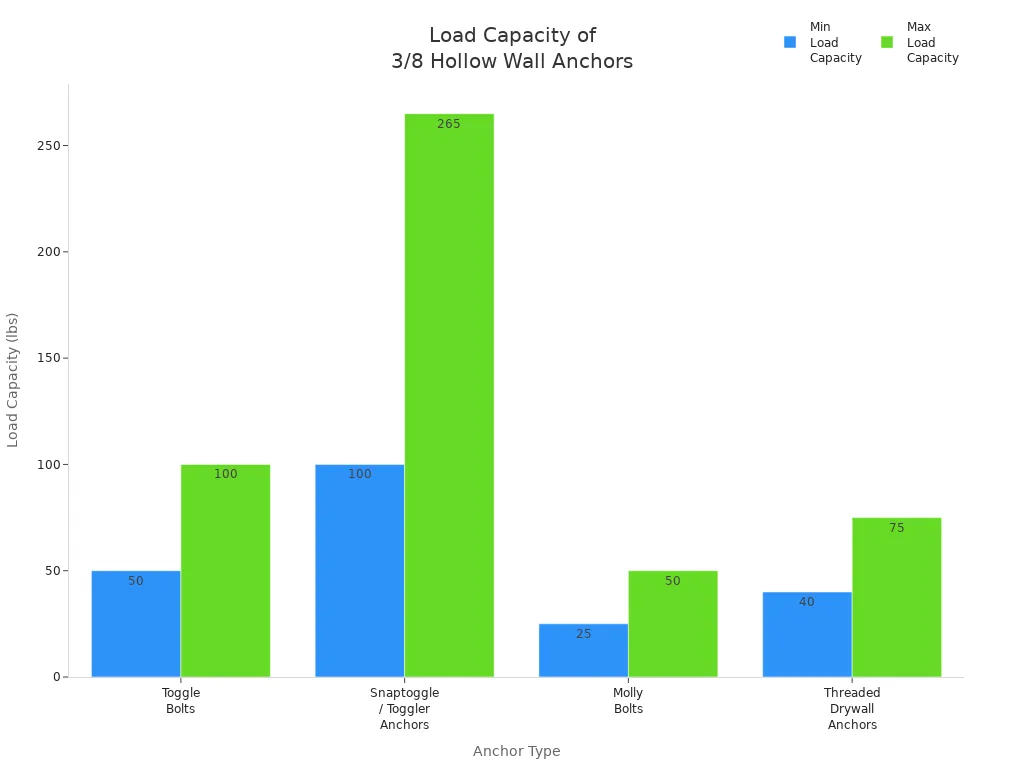
Чтобы повесить дома вещи, вам понадобятся прочные анкеры для гипсокартона. Если вы хотите повесить полки или зеркала, выберите анкеры, которые подойдут для вашей работы. Для тяжелых полок используйте болты или анкеры с защелкой. Болты Molly подойдут для вешалок для полотенец и зеркал. Резьбовые анкеры для гипсокартона подойдут для шкафов и тяжелых картин. У Prince Fastener есть анкеры для любого вида монтажа. Посмотрите на этот график прежде чем выбрать якорь:
| Тип якоря | Грузоподъемность | Лучшее для |
|---|---|---|
| Переключить болты | 50-100+ фунтов | Тяжелые полки, перекладины, крепления для телевизоров |
| Якоря Snaptoggle / Toggler | 100-265 фунтов | Тяжелые шкафы, крепления для телевизоров, стеллажи |
| Молли Болтс | 25-50 фунтов | Вешалки для полотенец, зеркала, крючки для одежды |
| Резьбовые анкеры для гипсокартона | 40-75 фунтов | Монтаж шкафов, более тяжелые картины, полки |
Проверьте анкеры для гипсокартона, прежде чем использовать их. Это поможет сохранить ваш дом в безопасности. Всегда используйте правильный анкер для стены.
Часто задаваемые вопросы
Что такое анкеры для гипсокартона и зачем они нужны?
Анкеры для гипсокартона Помогают вешать на стены предметы, которые не могут держаться на шурупах. Они нужны для полок, зеркал или картин. Они надежно закрепят ваши вещи и предотвратят повреждение стен.
Как узнать, какие анкеры для гипсокартона использовать?
Проверьте вес предмета и тип стены. Для легких предметов нужны простые гипсокартонные анкеры. Тяжелые полки или телевизоры нуждаются в более прочных анкерах. Prince Fastener предлагает руководства, которые помогут вам выбрать правильный анкер.
Можно ли повторно использовать анкеры для гипсокартона после их удаления?
Некоторые анкеры для гипсокартона, такие как болты snaptoggle или molly, позволяют использовать их повторно. Другие ломаются при извлечении. Всегда проверяйте упаковку или спрашивайте совета у Prince Fastener, прежде чем пытаться использовать анкер повторно.
Работают ли анкеры для гипсокартона в гипсовых или кирпичных стенах?
Анкеры для гипсокартона лучше всего работают с гипсокартоном. Для штукатурки или кирпича нужны специальные анкеры. Вам следует искать сверхпрочные анкеры, предназначенные для этих материалов. У Prince Fastener есть варианты для любого типа стен.
Какие инструменты нужны для установки анкеров для гипсокартона?
Для большинства анкеров для гипсокартона нужна отвертка. Для некоторых нужна дрель для больших отверстий. Самосверлящие анкеры экономят время, потому что вам не нужны дополнительные инструменты. Всегда читайте инструкции перед началом работы.


 Русский
  English
  Español
  Português do Brasil
  日本語
日本語  العربية