When you pick countersunk bolts for factories, you need to think about strength, what they are made of, and if you want them to be flat with the surface. These bolts stay even with the top, so things do not catch on them. This makes the area safer for everyone. Picking the right bolt stops expensive problems and big breakdowns. Many accidents happen when the wrong countersunk bolt is used. Some examples are:
| Incident Type | 説明 |
|---|---|
| Fatigue Failure | Cracks can start inside the bolt. Sometimes machines stop working fast because of this. |
| Torque Control Issues | If you tighten too much or too little, joints can get loose or break. |
| Improper Tool Usage | Using tools that do not fit can hurt the bolt head and cause it to fail. |
A flat finish keeps machines and people safe. You will see easy tips here to help you pick the best bolt and get good results every time.
要点
- Pick the best material for countersunk bolts. Stainless steel does not rust. Alloy steel is very strong for heavy jobs.
- Choose the right bolt size and grade for the weight. Big machines need stronger bolts. Small jobs can use lighter bolts.
- Make sure the head angle fits the countersink for a flat finish. An 82° angle is used for a neat look and strong hold.
- 使用する right way to install bolts. Mark the spots first. Drill pilot holes next. Use a torque wrench so you do not tighten too much.
- Think about where you will use the bolts. Countersunk bolts work well on smooth surfaces in machines, buildings, and electronics. They help make things safer and look better.
Countersunk Bolts: Selection Factors
Material Strength and Corrosion Resistance
You should think about how strong the material is and if it can resist rust when picking countersunk bolts. The right material helps your project last longer and keeps it safe. Stainless steel and alloy steel are used a lot in factories. Stainless steel does not rust easily and is good for outside jobs. Alloy steel is very strong and is used in machines and cars. High tensile steel bolts can hold heavy things and work in hard places. You can see how these materials are different in the table below:
| 素材 | Tensile Strength (MPa) | 注記 |
|---|---|---|
| ステンレス鋼 | 800 - 1000 | Resistant to corrosion, ideal for outdoor projects |
| 合金鋼 | 800 - 1000 | High tensile strength, preferred in automotive applications |
Surface treatments like galvanizing and passivation give extra protection. These treatments help bolts last longer by stopping rust and damage. With the right finish, bolts work better and are easier to take care of. If you want good quality, you can look at suppliers like Prince Fastener for many choices.
Load and Application Requirements
You need to pick the right bolt for the job. Think about how much weight or force the bolt will hold. The size and grade of the bolt change based on what you need. Big machines need bolts made from high tensile steel. Smaller bolts are fine for light things. The table below shows the main bolt sizes you should check:
| Dimension | 説明 |
|---|---|
| 直径 | Refers to the width of the bolt shank, crucial for load-bearing capacity. |
| 長さ | Measured from the underside of the head to the tip; for countersunk bolts, measured over entire length. |
| スレッドピッチ | Defines the distance between threads, affecting compatibility and strength. |
Always measure the length from the top of the countersunk head to the tip. This helps you get a flat finish. Picking the right countersink angle is important for fit and strength. If you need help, Prince Fastener can help you choose the best fasteners for your project.
Head Angle and Surface Finish
The head angle is an important part of countersunk head design. Most countersunk bolts use an 82° angle. This angle matches ANSI/ASME B18.6.3 standards. It gives good contact and spreads out the load. Some bolts use a 90° angle for more safety and to keep the head flat. The table below shows the common angles and why they matter:
| Bolt Head Angle | Importance for Flush Fitting |
|---|---|
| 82° | Ensures optimal seating and aesthetic finish |
| 90° | Provides secure fastening and prevents protrusion |
Tip: Picking the right countersink angle helps you get a flat surface and a neat look. It also stops things from catching and makes things safer.
Surface finish is also important. Treatments like galvanizing and passivation make bolts stronger and stop rust. These finishes also make it easier to put in and take care of bolts. You get important benefits like longer bolt life and better performance.
Key Specifications: Thread, Head, Length, Allen Key
You need to check a few things before you buy countersunk screws. These are thread type, head style, length, and the tool you need to tighten them. The table below lists the main features for tough jobs:
| 仕様 | 詳細 |
|---|---|
| 直径 | 3 mm (metric) |
| ヘッドタイプ | Countersunk (typically 82° angle) |
| 材料 | Stainless steel, alloy steel, brass |
| スレッドピッチ | 0.5 mm standard |
| Length Range | 4 mm to 30 mm commonly available |
| Typical Use Temperature | -40°C to 150°C |
You should also think about the Allen key size for putting in the bolt. Raised countersunk head bolts need the right tool to fit tight. Always check bolt standards to make sure you are safe. Countersinking in metal work needs careful planning. The hole and countersink must match the bolt for a flat finish. This gives you smooth surfaces and strong joints.
Raised countersunk head bolts and countersunk screws both need the right size. Always check the thread, length, and head type. Stainless steel bolts are good for many jobs, especially where you need to stop rust. High tensile steel bolts are best for heavy work. Standard countersunk bolts give you both strength and a nice look.
If you want good results, pick a trusted supplier like Prince Fastener. They have many countersunk bolts and can help you find the right one for your job.
Types of Countersunk Screws and Socket Screws
Common Head Styles
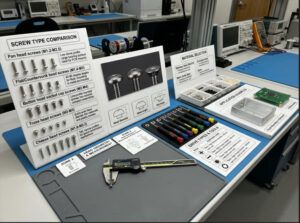
You will find many screw head types when you look for countersunk screws. Each style works best for certain jobs. Here are the most common screw head types you will see in industrial use:
- Flat 82+ head: This style gives you a flush surface. You use it for standard countersunk screws.
- Flat 82+ undercut: This head is shorter. It lets you use longer threads in thin materials.
- Flat 100+ head: You pick this for thin materials. It uses a wider angle for a better fit.
- Flat 100+ undercut: This style helps with shallow countersinking.
- Oval head: You get a rounded top. It looks nice and works well for visible spots.
- Round countersunk: This style does not have a driving recess. You use it for short screws.
- Truss head: You use this for large clearance holes, especially in sheet metal.
Flat heads give you a smooth finish. Oval heads add a decorative touch. Truss heads cover bigger holes. You should match the スクリューヘッドの種類 to your project needs.
Thread Types and Drive Options
You need to choose the right thread and drive for your countersunk screws. The thread type affects how the screw holds in the material. Fine threads grip better in metal. Coarse threads work well in wood or softer materials.
Drive options also matter. You will see these screw head types most often:
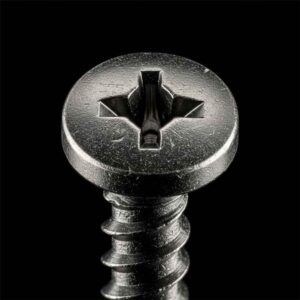
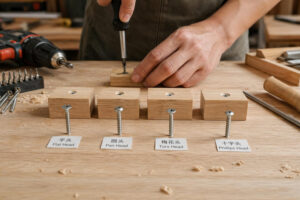
- Phillips drives have a cross shape. They help you apply torque and reduce slipping.
- Torx drives use a star pattern. They give you strong grip and stop cam-out.
- Hex drives work with Allen wrenches. You get good torque and control, especially in tight spaces.
Countersunk socket screws use hex drives. You pick them for jobs that need a strong hold and easy tightening. Raised countersunk head screws also use hex or Torx drives for better grip.
Flat head screws sit flush and look neat. You should use Phillips or Torx drives for precise fastening. Oval and truss heads work best with visible or special applications.
Surface Finishes and Coatings
You want your countersunk screws to last. The right surface finish protects them from rust and damage. Here are some ways to make your screws stronger:
In a case study, yacht builders used 316 stainless steel countersunk screws with marine-grade sealant. These screws did not rust for five years. Ordinary screws rusted in six months.
- Filling the countersink hole with epoxy or silicone adds a seal. This method makes screws last longer in salty or chemical areas.
- Galvanizing adds a zinc layer. It protects steel and works well outdoors.
- Dacromet coatings resist salt and last longer in tough tests.
- Black oxide finish gives mild corrosion resistance and reduces glare.
- Special coatings improve durability, appearance, and strength.
You should pick the finish that matches your environment. Raised countersunk head screws with the right coating will last longer and perform better. The right surface finish keeps your screws strong and looking good.
Bolt Selection Guide: Comparing Countersunk and Other Bolts
Advantages of Countersunk Bolts
You want to make smart choices when you use fasteners in your projects. This bolt selection guide helps you see why countersunk bolts stand out. These bolts give you strong joints and a smooth finish. You can use them in many industries, from electronics to aerospace.
- Structural integrity: Countersunk bolts spread force across the joint. This reduces stress and makes your assembly stronger.
- Aesthetic design: The flush fit looks neat. You do not see any bolt heads sticking out.
- Application versatility: You can use countersunk screws in furniture, machines, and even airplanes. They adapt to many needs.
You also improve safety and looks when you use countersunk screws. The table below shows how these bolts help:
| Evidence Type | 説明 |
|---|---|
| 安全 | The flush finish of countersunk bolts reduces trip hazards and prevents snagging, enhancing safety in high-traffic areas. |
| Aesthetics | The smooth surface of countersunk bolts provides a neat and professional appearance, which is preferred in visible applications. |
You should check bolt dimensions before you start. The right size and screw head types make your project safe and strong. Countersunk socket screws work well when you need a tight fit and a clean look.
When to Choose Other Bolt Types
Sometimes, you need to pick a different fastener. Not every job needs a flush finish. If you work with thick materials or need extra holding power, hex bolts or threaded inserts might work better. You can find threaded inserts in packs of 10 to 40, with prices from $2.00 to $3.50 per pack. Hollow wall anchors help when you mount heavy objects.
You should look at bolt dimensions and screw head types for each job. Some screw head types, like pan or round heads, work better for quick assembly. If you need to remove bolts often, choose screw head types that are easy to grip.
Selecting the right bolt means thinking about the material, the load, and the finish. You want to match bolt dimensions and screw head types to your needs. Countersunk screws give you a smooth surface, but other bolts may save money or time in some cases.
Tip: Always check your project’s needs before you pick a fastener. The right choice keeps your work safe and looking good.
Industrial Applications for Countersunk Bolts
Machinery and Equipment
Countersunk bolts are used a lot in machines and equipment. These bolts make surfaces smooth. Smooth surfaces help keep workers safe. Machines also run better with these bolts. When you use countersunk screws in big machines, parts do not catch or snag. This means fixing machines is easier and faster. These bolts last longer and do not need to be changed as much. Using countersunk bolts can make machines last up to 25% longer than standard bolts. They also stop dirt from building up when things move. This keeps machines clean and working well.
Here is a table that shows where you use these bolts:
| アプリケーションエリア | 説明 |
|---|---|
| Woodworking | Used for a smooth and flush appearance in furniture and cabinetry. |
| Metal Fabrication | Essential for creating a clean look in metal structures and components. |
| Heavy-duty Machinery | Utilized in machinery where both aesthetics and functionality are critical. |
You should pick high tensile steel or stainless steel for these jobs. These materials are strong and do not rust. This is important for machines that work hard every day.
Construction and Structural Uses
In construction, countersunk screws help keep surfaces flat and safe. These bolts help you follow building rules that need flush finishes. You use them in bridge decks, walkways, and railings. This stops people from tripping and getting hurt. SPAX fasteners are made to sit flat in wood and composite materials. This makes connections strong and putting them in is easy.
Countersunk bolts give you many good things in construction:
- They make buildings stronger by spreading force.
- They help buildings stay safe during earthquakes.
- They fit in small spaces.
- They last longer with high tensile steel and stainless steel.
- They make putting in and fixing bolts simple.
You get safety and strong buildings when you use these bolts.
Electronics and Precision Engineering
Countersunk socket screws and countersunk bolts are needed in electronics and small devices. These fasteners make the surface flat, which is important in small spaces. The bolt heads do not stick out, so they do not get in the way of other parts. This is very important in circuit boards and device boxes. Stainless steel is the best choice because it does not rust and lasts a long time.
Countersunk screws also spread out force and stop parts from wearing out fast. This makes your devices work better and last longer. You see these bolts in airplanes, cars, and electronics. Their shape helps you build strong, neat, and long-lasting products.
Installing Countersunk Screws: Best Practices
Marking and Drilling for Fitment
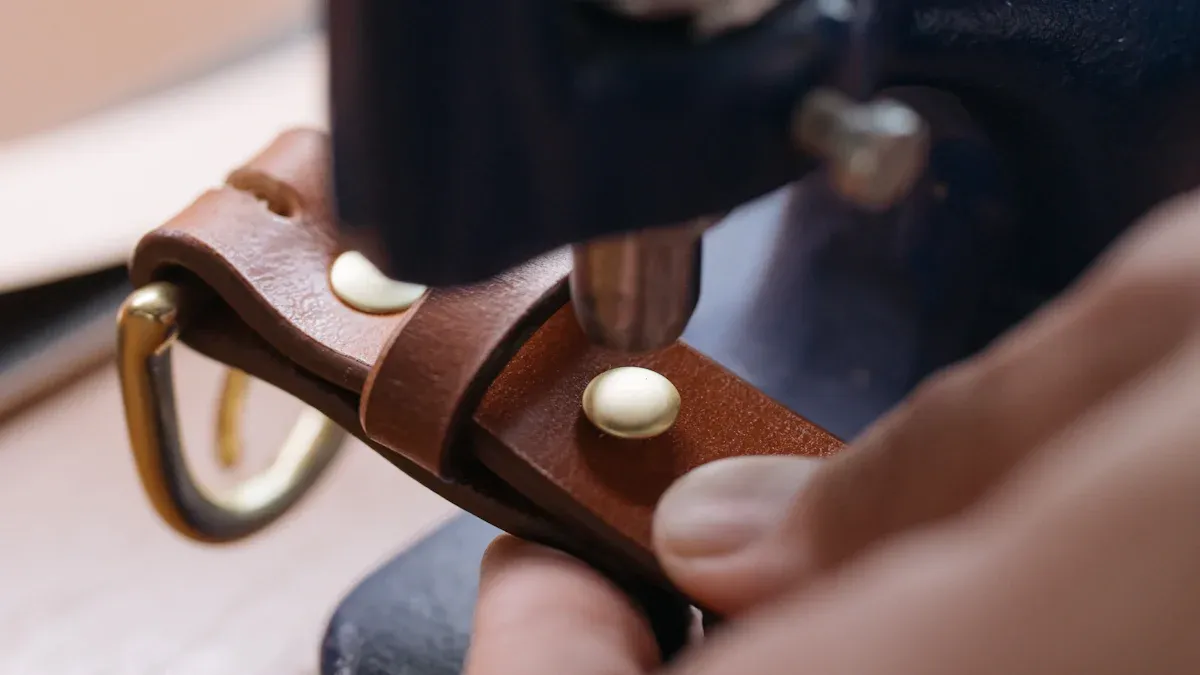
You should follow simple steps when you put in countersunk bolts. First, mark each spot where a screw will go. This helps you keep everything straight. Next, drill a pilot hole at each mark. The pilot hole helps guide your drill and keeps the screw straight. After that, use a countersink bit to make the angled hole. This step is called countersinking. It shapes the hole so the screw head sits flat. Put in the screw and tighten it until it is even with the surface. Always check to make sure the surface is smooth and safe.
Steps for proper installation techniques:
- Mark where you want each bolt.
- Drill a pilot hole to help with accuracy.
- Use a countersink bit to make the angled hole.
- Put in the countersunk bolt and tighten it until it is flat.
- Check the finish to make sure it is smooth and safe.
Achieving a Flush Finish
Countersinking helps you get a flat finish. The size of the countersink is very important. You should match the countersink size to the screw size. If you use the wrong size, the screw head may not sit flat. This can make the joint weak or look bad. A good rule is to use a countersink size about 1.5 times the bolt size. This gives the best fit between the screw head and the countersink.
- The countersink size should match the screw or fastener.
- Using the wrong size can cause weak joints and poor fit.
- A size about 1.5 times the bolt size works best.
Torque and Tightening Tips
You do not want to break the screw or damage the material. Use a torque wrench to control how tight you make the screw. The wrench will slip when you reach the right tightness. Practice tightening so you know how it should feel. Think about the materials you use. Some threads can take more force, but fine threads can bend if you go too far.
- Use a torque wrench so you do not over-tighten.
- Practice tightening to learn the right feel.
- Think about the materials to avoid damage.
- Know your thread type and its limits.
Tip: Always check the manufacturer’s instructions for torque values. This helps you avoid mistakes and keeps your joints strong.
Common Installation Errors and How to Avoid Them
| Common Installation Errors | Prevention Methods |
|---|---|
| Drilling Too Deep | Use depth stops, mark tools, check holes, use automated depth control, measure depth often |
| Incorrect Countersink Angle | Match angle to fastener, check angle, use the right tools, check accuracy, think about the material |
| Improper Bit Size | Measure screw head, leave space, think about the material, check the finish, look at technical drawings |
| Failing to Secure the Workpiece | Use clamps, support the material, check if it is stable, think about vibration, plan tool access |
| Overtightening Screws | Use torque tools, follow instructions, think about the material, check the joint, check seating |
| Neglecting Lubrication | Use the right lubricant, keep flow steady, watch temperature, clean chips, change dirty lubricant |
If you follow these steps and tips, you can make sure your countersinking gives you a flat finish and strong joints every time.
You can make strong and safe joints if you pick the right bolt and follow the correct steps for countersinking. Always choose the material and size that fits your project. Use a checklist to check the head angle, thread, and how deep you need to countersink. Good countersinking stops weak spots and keeps surfaces smooth. If things get tricky, ask an expert for help. Careful countersinking gives you better results every time.
Tip: Careful countersinking makes things safer and look nicer.
よくあるご質問
What is countersinking and why do you need it?
Countersinking creates a cone-shaped hole for a screw or bolt head. You use countersinking to make the fastener sit flush with the surface. This helps prevent snagging and gives your project a clean look.
How do you choose the right countersinking tool?
You pick a countersinking bit that matches the screw head angle. Most countersunk bolts use an 82° or 90° angle. Check the material and size before you drill. Using the correct tool makes countersinking easier and safer.
Can you use countersinking on wood and metal?
You can use countersinking on both wood and metal. Wood needs a slower speed and a sharp bit. Metal requires a strong bit and steady pressure. Always test countersinking on scrap material first.
What problems can happen if you skip countersinking?
Skipping countersinking can cause the screw head to stick out. This may lead to weak joints and unsafe surfaces. You risk damaging your project and making repairs harder.
How do you avoid mistakes when countersinking?
You mark the spot, drill a pilot hole, and use the right countersinking bit. Check the depth often. Use clamps to keep the material steady. Following these steps helps you get a smooth finish.




 日本語
日本語  English
  Español
  Português do Brasil
  Русский
  العربية