
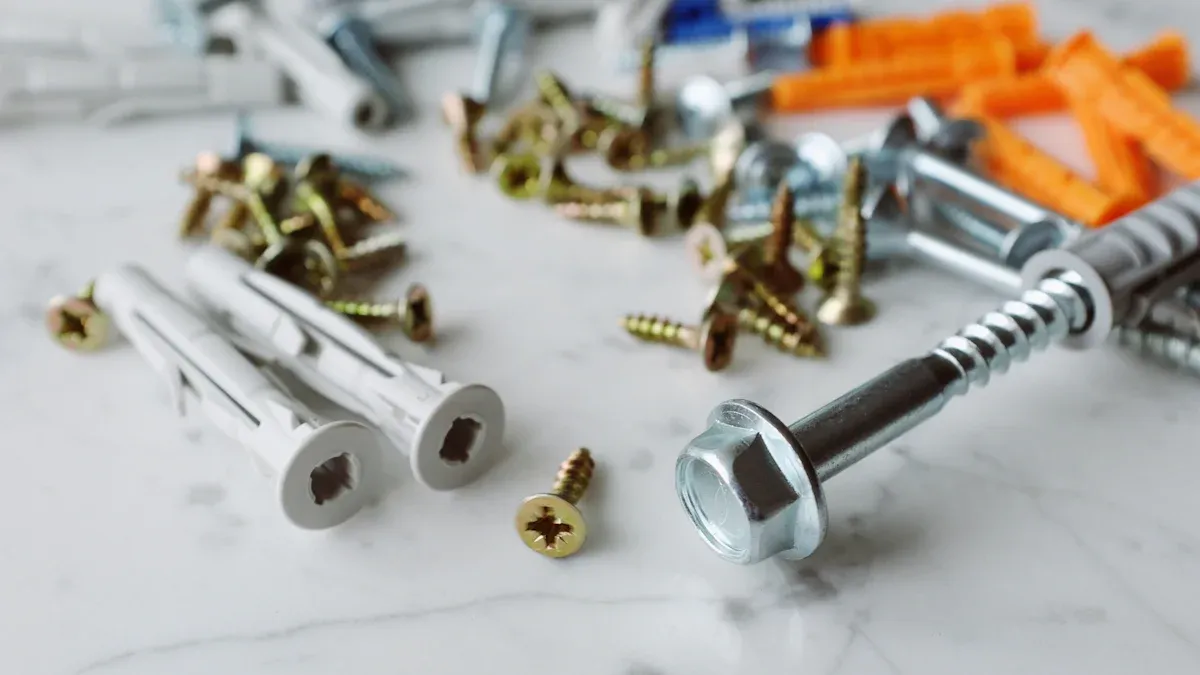
You might wonder, “Which 3/8 hollow wall anchor should I use for my home?” The answer depends on a few key things. A 3/8 hollow wall anchor helps you hang items on drywall or other hollow walls safely. Picking the right one matters for your home’s safety and the strength of your project. Consider these points before you use any anchor:
- Weight or load: Make sure the 3/8 hollow wall anchor can hold your item.
- Wall material: Some anchors work better in drywall, while others fit solid walls.
- Drilled hole size: Certain anchors need bigger holes but offer more support.
If you want reliable results, Prince Fastener offers options for every need.
要点
- Find out what kind of wall you have first. Drywall, concrete, and brick need different anchors to be safe.
- Always look at how much weight the anchor can hold. Make sure it matches the weight of what you want to hang. This keeps things safe and steady.
- Think about how easy it is to put in the anchor. Self-drilling anchors are quick to use. Heavy-duty anchors need more tools and work.
- Pick the right anchor for your job. Use plastic expansion anchors for light things. Use toggle bolts for heavy shelves or TVs.
- Try out your anchors before you use them. This makes sure they can hold the weight you want. It also helps stop accidents.
3/8 Hollow Wall Anchor Comparison Overview
Anchor Types at a Glance
When you look for a hollow wall anchor, you will see many types. You might find heavy-duty hollow wall anchors, stainless steel hollow wall anchors, plastic hollow wall plugs, and short drywall anchors. Each type works best for different jobs. Some anchors fit drywall, while others handle heavier loads or special wall materials. You can use these anchors for shelves, mirrors, or light fixtures. Prince Fastener offers a wide range of anchors, so you can pick the best drywall anchors for your project.
Weight Ratings and Strength
You want to know how much weight your anchor can hold. Here is a quick table to help you compare:
| Anchor Type | Weight Rating (lbs) |
|---|---|
| 3/8″ Machine Screw Anchor | 1488 |
All tested anchors meet or exceed their weight ratings. Heavy-duty anchors give you more strength for bigger items. You should always check the rating before you use any anchor in drywall.
Installation Difficulty
Some anchors are easy to install. Others need more practice. Here is a table to show you how each type compares:
| Anchor Type | Installation Difficulty |
|---|---|
| 拡張アンカー | Easy to install and DIY-friendly |
| Threaded Drywall Anchors | Self-drilling, easy to install |
| Toggle Bolts | Requires practice and patience |
If you want a quick job, use expansion anchors or self-drilling drywall anchors. Toggle bolts work well for heavy-duty jobs but take more time.
Best Uses for Each Anchor
You can use heavy-duty hollow wall anchors for shelves and cabinets. Stainless steel hollow wall anchors work well in damp areas. Plastic hollow wall plugs fit light items like picture frames. Short drywall anchors help with small fixtures. The best drywall anchors match your wall type and the weight you need to support. If you want strong and safe results, choose the right anchor for your drywall. Prince Fastener makes it easy to find the perfect anchor for every job.
Detailed Guide to Drywall Anchors
There are many drywall anchors you can choose from. Each type works best for different jobs. Let’s look at the main types. You will see their good and bad points. You will also learn how to use them safely.
Plastic Expansion Anchors
Plastic expansion anchors are very common. Most home kits have them. They are good for light jobs. You can use them for small picture frames or decorations.
| メリット | デメリット |
|---|---|
| Commonly included in standard drywall anchor kits for lightweight fixtures | Can break down the drywall over time |
| Easy to install for simple applications | Not recommended by professionals for building work |
| Type of Anchor | Weight Capacity |
|---|---|
| Plastic Expansion Anchors | 10-25 pounds |
長所だ:
- Beginners can use them easily.
- They cost little and are easy to find.
- Good for light things.
短所だ:
- Not strong for heavy jobs.
- Can hurt drywall if too much weight is used.
- Not the best for long-term use.
Installation Tip:
Drill a small hole first. Push the anchor in. Screw in your fastener. No special tools are needed.
Best Use Cases:
Hang light things like clocks or wall art. Prince Fastener has plastic expansion anchors for quick fixes.
Molly Bolts (Hollow Wall Anchors)
Molly bolts are stronger than plastic expansion anchors. Use them for medium-weight items. Here is how to use molly bolts:
- Get your drill, screwdriver, and molly bolts.
- Drill a hole that fits the anchor.
- Put the anchor in and tighten the screw. The anchor opens behind the drywall.
Molly bolts can hold up to 50 pounds. They are good for towel bars, curtain rods, and coat hooks.
| Anchor Type | Load Capacity (lbs) | 最適 |
|---|---|---|
| Molly Bolts | 25-50 | Towel racks, mirrors, coat hooks |
Why choose molly wall anchor?
- Easy to put in and take out.
- Holds medium items well.
- You can use them again.
短所だ:
- Not for very heavy things.
- You need a drill to install them.
Prince Fastener has molly wall anchors that are simple and safe to use.
Metal Toggle Anchors
Metal toggle anchors are the strongest for heavy loads. Use them when you need lots of strength.
| 長所 | 短所 |
|---|---|
| Provides much more stability and strength than plastic anchors. | Not a guaranteed safe option for all heavy loads. |
| Can support significant weight (up to 200 pounds or more). | Requires a larger hole in the wall for installation. |
| Effective for mounting in various materials (drywall, lath, etc.). | May not be suitable for all types of wall decor. |
- Toggle bolts can hold a lot of weight.
- Some can hold up to 200 pounds.
- The biggest ones can hold up to 400 pounds.
長所だ:
- Best for heavy jobs.
- Works in drywall and other hollow walls.
- Good for shelves, TVs, or cabinets.
短所だ:
- You must drill a big hole.
- Not good for fragile wall decor.
- Takes more time to install.
Installation Tip:
Drill a big enough hole. Fold the wings and push the anchor in. Tighten the screw until the wings open behind the drywall.
Prince Fastener has strong metal toggle anchors for tough jobs.
Alligator-Style Anchors
Alligator-style anchors have a special design. They work in hollow and solid walls. These anchors hold up to 159 pounds in thick drywall. They also resist shaking and shock.
| 特徴 | 説明 |
|---|---|
| 負荷容量 | Holds securely in walls & ceilings, with a maximum hold of 159 lb in 5/8” drywall. |
| インストール | Requires a 5/16” drill hole for installation. |
| 素材 | Made from corrosion-resistant polypropylene, allowing effective bonding with various surfaces. |
| 耐振動性 | Unique locking action resists vibration and shock. |
| Reusability | Can be reused without loss of holding power. |
| 汎用性 | Effective in both solid and hollow materials, including drywall and hollow walls. |
| Scenario Description | 素材適合性 |
|---|---|
| Best choice for securing items outdoors | Drywall, concrete, brick, stucco, tile, plaster, wood |
| Designed to hold high loads and maintain strength in unexpected cavities | Various materials |
| Corrosion-resistant when used with stainless steel screws | All-weather applications |
| Ideal for tightening fasteners in cement for gates to withstand weather conditions | Cement |
| Provides additional grip and shock absorption for railings in various materials | Concrete, masonry, wood |
長所だ:
- Strongest hold of self-drilling drywall anchors.
- Works in drywall, concrete, brick, and more.
- Resists shaking and shock.
- Can be used again and does not rust.
短所だ:
- Needs a certain drill size.
- Costs more than basic anchors.
Installation Tip:
Drill a 5/16” hole. Put the anchor in. Screw in your fastener. The anchor locks in place.
Prince Fastener has alligator-style anchors for jobs needing extra grip.
Self-Drilling Anchors
Self-drilling drywall anchors are fast and easy. You do not need to drill holes first. These anchors are good for medium jobs and quick installs.
- They make work faster.
- Good for many uses, like scaffolding and walls.
- Cheap and reliable.
- Hard to pull out and very stable.
| Anchor Type | Load Capacity (lbs) | 義務レベル |
|---|---|---|
| Self-Drilling Anchors | 25-50 | 中型 |
| Toggle Bolts | 50-100+ | Heavy Duty |
| Snaptoggle Anchors | 100-265 | Extra Heavy Duty |
長所だ:
- No drill needed—just screw into drywall.
- Good for medium loads.
- Saves time and work.
短所だ:
- Not as strong as toggle bolts.
- Not for very heavy things.
Installation Tip:
Use a screwdriver to twist the anchor in. Add your screw. You get a strong hold fast.
Prince Fastener has self-drilling drywall anchors for most home jobs.
ヒント: Always match the anchor to your wall and item weight. Heavy-duty toggle bolts and alligator-style anchors are best for big jobs. For light things, use plastic expansion anchors or self-drilling drywall anchors.
Now you know the main drywall anchors and how to use them. Pick the right anchor for your job. You will get safe and strong results every time.
Key Factors for Choosing the Best Drywall Anchors
Wall Material Compatibility
You need anchors that fit your wall. Drywall, concrete, brick, and metal studs need different anchors. Using the wrong anchor can make things fall or break. Self-drilling anchors work well for drywall. Heavy-duty anchors are best for brick or concrete. Always check your wall before starting. Prince Fastener helps you pick the right anchor for every wall.
- Drywall: Self-drilling anchors are quick and easy.
- Concrete or brick: Heavy-duty anchors hold better.
- Metal studs: Use anchors made for metal studs.
Weight Capacity and Safety
Weight capacity keeps things safe. Match the anchor’s strength to your item’s weight. Heavy shelves or TVs need strong anchors. Lighter things can use self-drilling anchors. Always look at the weight rating on the box. For extra safety, use more than one anchor. You can test anchor strength with a tension scale. This helps stop accidents and keeps your wall safe.
Tip: Do not guess the weight limit. Test your anchors before hanging heavy things.
Installation Ease and Tools Needed
Easy installation makes your job faster. Self-drilling anchors save time. You screw them into drywall without drilling first. Expansion anchors need a drill but work well for light jobs. Heavy-duty anchors like toggle bolts need more tools and time. Prince Fastener has anchors for every skill level. If you want less work, pick anchors with simple steps.
| Anchor Type | インストールの容易さ | Tools Needed |
|---|---|---|
| セルフドリリング | 高 | ドライバー |
| Expansion | 中 | Drill |
| Heavy-duty toggle | 低 | Drill, wrench |
Removability and Reuse
Sometimes you want to move your anchors. Snaptoggle and toggler anchors can be taken out and used again. These anchors hold heavy things like cabinets or shelves. If you want more options, pick anchors you can reuse. Prince Fastener has removable anchors for easy jobs.
| 特徴 | 詳細 |
|---|---|
| タイプ | Snaptoggle / Toggler Anchors |
| 保持力 | Highest load capacity |
| Reusability | Can be removed and reinstalled |
| Best Use | Heavy-duty shelves, TV mounts |
When you match anchors to your wall, weight, and tools, you get better results. Always test your anchors and pick the right type. Prince Fastener helps you find safe and easy anchors for every project.
Step-by-Step: How to Choose the Right 3/8 Hollow Wall Anchor
Choosing the right 3/8 hollow wall anchor can feel tricky, but you can break it down into simple steps. Let’s walk through the process together so you get the best results for your home project.
Identify Your Wall Type
Start by figuring out what kind of wall you have. Drywall is the most common in homes, but you might also see plaster, concrete, or brick. Tap the wall gently. If it sounds hollow, you probably have drywall. If it feels solid, you might have brick or concrete. Knowing your wall type helps you pick the right anchors. Drywall anchors work best in drywall, while heavy-duty anchors fit concrete or brick. Prince Fastener offers options for every wall, so you always find the right fit.
ヒント: If you’re not sure about your wall, remove a light switch cover and peek inside. You’ll see the wall’s thickness and material.
Determine Load Requirements
Next, think about what you want to hang. Is it a small picture or a heavy shelf? Write down the weight of your item. Always check the packaging on drywall anchors for their weight rating. For safety, add a little extra to your estimate. If your shelf weighs 20 pounds, choose an anchor that holds at least 30 pounds.
Here’s a quick look at how you can check if your anchor will hold:
| Method | その意味 |
|---|---|
| Proof Loading | Test the anchor after installation to make sure it holds the weight you need. |
| 建築基準法 | Some codes, like the CBC and IBC, require tension testing for safety. |
| Testing Methods | You can use special tools, like a hydraulic ram, to check anchor strength. |
You don’t need fancy tools for most home jobs, but always test your anchors before hanging something valuable.
Select the Best Anchor for Your Project
Now, match your wall and load to the right anchor. Drywall anchors come in many types, so look for the one that fits your needs. Here’s what you should consider:
- Check the weight rating and add a safety factor for moving or shaking items.
- Pick anchors made from materials that suit your room. Stainless steel works well in bathrooms or kitchens.
- Think about how easy the installation will be. Some anchors need only a screwdriver, while others need a drill.
If you want a quick guide, here’s what to remember:
- Use plastic expansion anchors for light things on drywall.
- Choose molly bolts for medium loads like towel racks.
- Go with metal toggle anchors for heavy shelves or TVs.
- Try alligator-style anchors for walls that shake or for outdoor use.
Prince Fastener has all these drywall anchors, so you can always find the right one for your project.
Common Mistakes to Avoid
Even if you pick the right anchor, mistakes during installation can cause problems. Here’s how to avoid the most common errors:
- Use a torque wrench to check that you tighten the anchor just right.
- Don’t under-tighten, or the anchor might loosen over time.
- Don’t over-tighten, or you could damage the drywall or the anchor.
- Always follow the instructions from the manufacturer for the best results.
注記: Take your time during installation. Rushing can lead to mistakes and weak anchors.
If you follow these steps, you’ll get a strong, safe hold every time. Prince Fastener makes it easy to choose and install the best drywall anchors for your home.
You need strong drywall anchors to hang things at home. If you want to put up shelves or mirrors, choose anchors that fit your job. Use toggle bolts or snaptoggle anchors for heavy shelves. Molly bolts are good for towel racks and mirrors. Threaded drywall anchors work for cabinets and heavy pictures. Prince Fastener has anchors for every kind of install. Look at this chart before you pick an anchor:
| Anchor Type | 負荷容量 | 最適 |
|---|---|---|
| Toggle Bolts | 50-100+ lbs | Heavy shelves, grab bars, TV mounts |
| Snaptoggle / Toggler Anchors | 100-265 lbs | Heavy cabinets, TV mounts, shelving systems |
| Molly Bolts | 25-50 lbs | Towel racks, mirrors, coat hooks |
| Threaded Drywall Anchors | 40-75 lbs | Cabinet mounting, heavier pictures, shelves |
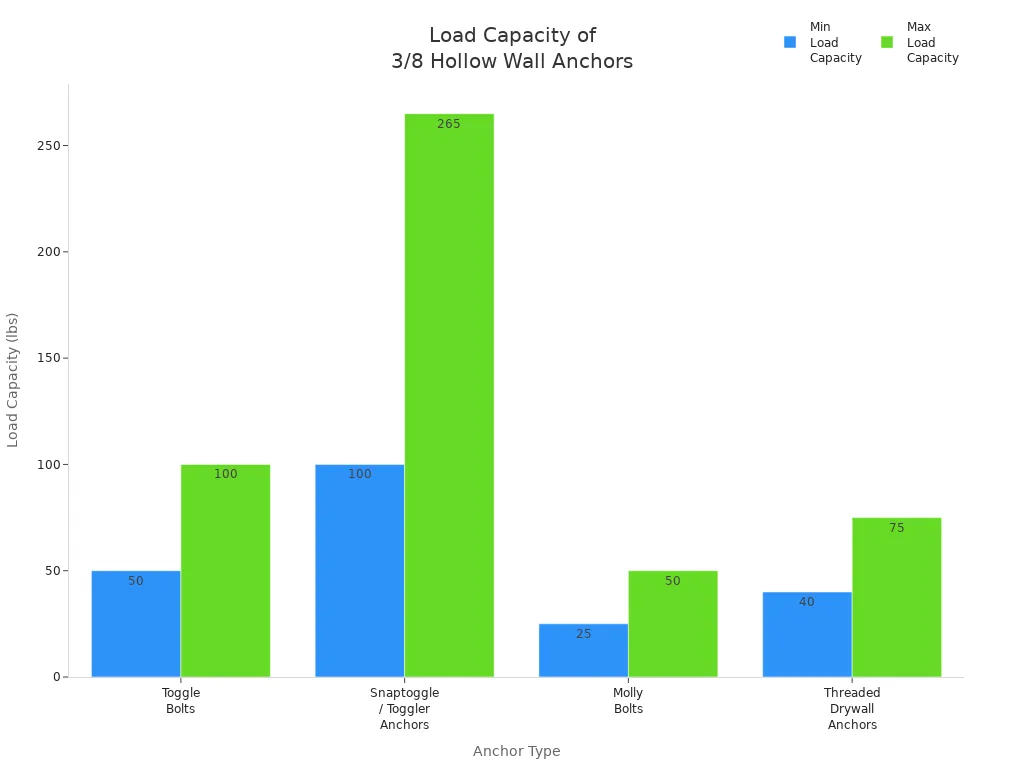
Test drywall anchors before you use them. This helps keep your home safe. Always use the right anchor for your wall.
よくあるご質問
What are drywall anchors and why do I need them?
Drywall anchors help you hang things on walls that can’t hold screws alone. You need them for shelves, mirrors, or pictures. They keep your items secure and prevent damage to your walls.
How do I know which drywall anchors to use?
You should check the weight of your item and your wall type. Light items need simple drywall anchors. Heavy shelves or TVs need stronger anchors. Prince Fastener offers guides to help you choose the right anchor.
Can I reuse drywall anchors after removing them?
Some drywall anchors, like snaptoggle or molly bolts, let you reuse them. Others break when you remove them. Always check the packaging or ask Prince Fastener for advice before you try to reuse an anchor.
Do drywall anchors work in plaster or brick walls?
Drywall anchors work best in drywall. For plaster or brick, you need special anchors. You should look for heavy-duty anchors made for those materials. Prince Fastener has options for every wall type.
What tools do I need to install drywall anchors?
Most drywall anchors need a screwdriver. Some need a drill for bigger holes. Self-drilling anchors save time because you don’t need extra tools. Always read the instructions before you start your project.



 日本語
日本語  English
  Español
  Português do Brasil
  Русский
  العربية