Verá que los tornillos autorroscantes metálicos de acero inoxidable no se oxidan con facilidad. También son más fáciles de colocar que muchos otros elementos de fijación. A la gente le gusta utilizarlos cuando el agua o los productos químicos pueden dañar los tornillos normales. Pero, estos tornillos pueden costar más dinero. También pueden aflojarse si se sacuden mucho. Mucha gente confía en los tornillos autorroscantes metálicos de acero inoxidable. Duran mucho tiempo y tienen buen aspecto. Esto es cierto cuando se utilizan productos Prince Fastener.
| Ventajas | Desventajas |
|---|---|
| Resistencia a la corrosión | Limitaciones materiales |
| Facilidad de instalación | Reutilización deficiente |
| Versatilidad | Sensibilidad a las vibraciones |
| Mayor coste |
Esta guía le ayuda a comparar los tornillos autorroscantes de acero inoxidable para metal con otras opciones. Le ayuda a elegir el mejor para su próximo proyecto.
Principales conclusiones
- Los tornillos autorroscantes de acero inoxidable no se oxidan fácilmente. Esto los hace buenos para lugares húmedos o con productos químicos. Estos tornillos ahorran tiempo al colocarlos. Hacen sus propias roscas, por lo que no es necesario taladrar primero. Los tornillos de acero inoxidable duran mucho tiempo y tienen buen aspecto. Pero pueden costar más que otros elementos de fijación. Ten cuidado si se sacuden mucho. Utiliza pegamento fijador de roscas en los lugares con mucho movimiento. Esto ayuda a que los tornillos se mantengan apretados. Elija el tipo y grado adecuados de tornillo de acero inoxidable para su trabajo. Esto ayudará a que su proyecto funcione bien y dure más tiempo.
Vista general rápida: Tornillos metálicos autorroscantes de acero inoxidable
¿Son mejores los tornillos autorroscantes de acero inoxidable?
Se preguntará si tornillos autorroscantes son la mejor elección para su proyecto. Estos tornillos destacan porque crean sus propias roscas al introducirlos en el material. No es necesario roscar primero el agujero. Esto le ahorra tiempo y esfuerzo. Mucha gente elige tornillos autorroscantes cuando desean una instalación rápida y sencilla. Se pueden utilizar en madera, plástico o metal. Funcionan bien en lugares donde el óxido es un problema, como en exteriores o ambientes húmedos.
A continuación se muestra una tabla comparativa entre tornillos autorroscantes y otros elementos de fijación:
| Característica | Tornillos autorroscantes | Otros elementos de fijación |
|---|---|---|
| Creación de hilos | Crear sus propias roscas con un orificio piloto | Puede requerir agujeros pretaladrados |
| Proceso de instalación | Requiere un orificio piloto | Varía, algunos pueden taladrar y roscar juntos |
| Compatibilidad de materiales | Trabaja en materiales blandos | Depende del tipo de fijación |
Verá que los tornillos autorroscantes, especialmente los de acero inoxidable, resistir la corrosión. Esto los convierte en una opción inteligente para condiciones duras. Prince Fastener ofrece tornillos autorroscantes que duran más y tienen buen aspecto, incluso después de años de uso.
Resumen de los principales pros y contras
Si elige tornillos autorroscantes, obtendrá varias ventajas:
- Ahorrará tiempo porque no tendrá que hacer agujeros.
- Obtendrá una gran fuerza de sujeción en muchos materiales.
- Evitas la oxidación, especialmente con las opciones de acero inoxidable.
- Puede elegir entre muchos tipos de cabezales y acabados.
Sin embargo, también debe conocer sus inconvenientes:
- Los tornillos autorroscantes pueden costar más que los normales.
- Pueden aflojarse si hay mucha vibración.
- Funcionan mejor en materiales más blandos.
Consejo: Utilice tornillos autorroscantes cuando desee una solución rápida, limpia y resistente al óxido. Para obtener los mejores resultados, elija marcas de confianza como Prince Fastener.
Los tornillos autorroscantes le ofrecen flexibilidad y fiabilidad. Le ayudan a terminar su proyecto más rápido y con menos problemas.
¿Qué son los tornillos autorroscantes de acero inoxidable?
Definición y características
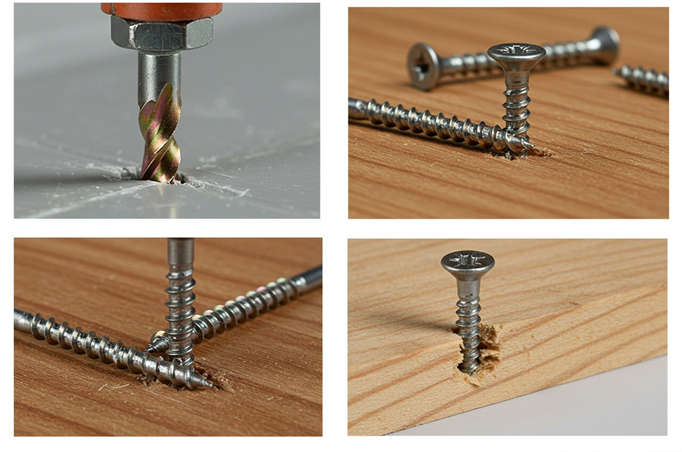
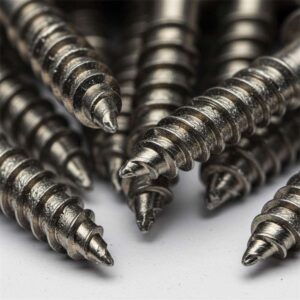
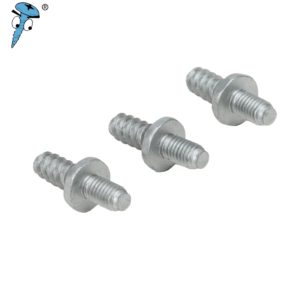
Inoxidable tornillos autorroscantes le permiten unir cosas sin hacer roscas primero. Cuando introduce estos tornillos en metal, plástico o madera, la punta afilada hace su propio camino. No necesita un macho de roscar ni un agujero especial antes de utilizarlos. Esto hace que su trabajo sea más rápido y sencillo.
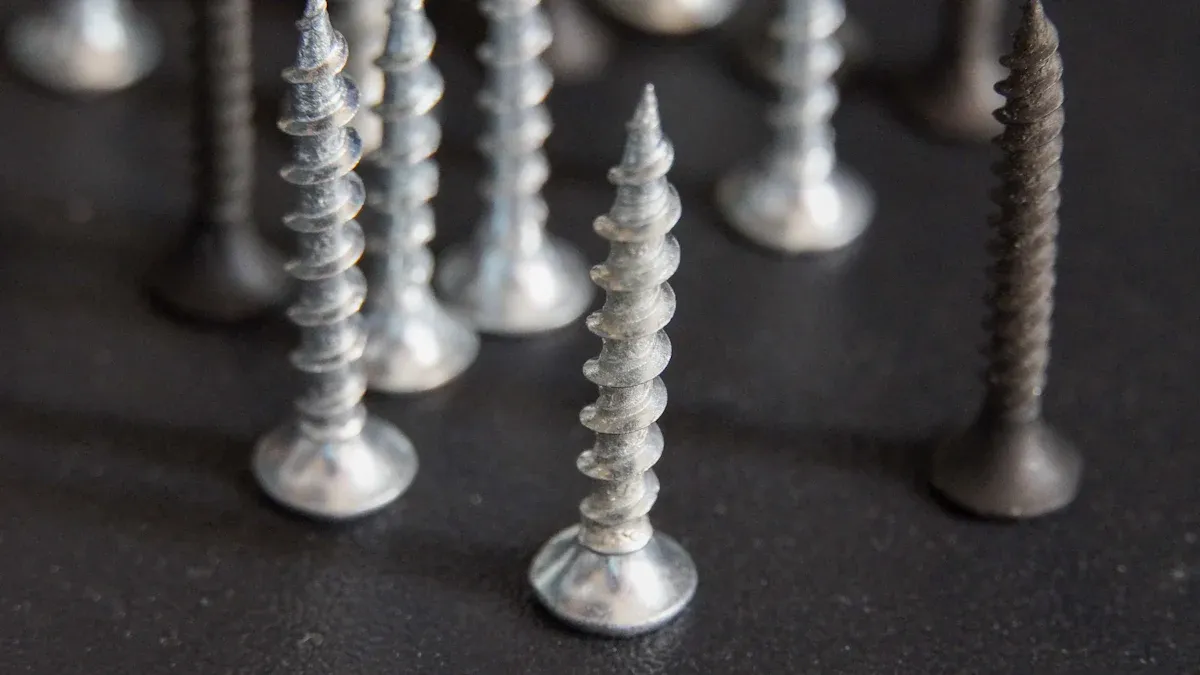
Los tornillos autorroscantes de acero inoxidable son especiales porque no se oxidan fácilmente. El acero inoxidable contiene elementos como el molibdeno, que ayudan a detener las picaduras y la corrosión. Estos tornillos también tienen un aspecto brillante y limpio, por lo que son adecuados para lugares donde la apariencia importa. La gente los utiliza en cocinas, baños y proyectos exteriores.
Estas son algunas de las principales características de los tornillos autorroscantes inoxidables:
- Hacen sus propios hilos cuando los pones.
- No se oxidan ni se manchan, ni siquiera en lugares húmedos o con productos químicos.
- Duran mucho tiempo y se mantienen fuertes.
- Son bonitos y se adaptan a los estilos modernos.
Puede ver el principales propiedades mecánicas en esta tabla:
| Propiedad | Especificación/Valor |
|---|---|
| Composición química | Molibdeno resistente a las picaduras |
| Resistencia a la tracción | Valores mínimos especificados en las normas |
| Límite elástico | Varía según el grado y el tratamiento |
| Dureza | Valores HV mínimos: 300 para C1, 400 para C3 |
| Resistencia a la corrosión | Mejorado por elementos de aleación |
| Resistencia a la torsión | El par de rotura mínimo varía según el tamaño |
| Rendimiento del tapping | Capacidad para formar roscas sin dañarlas |
| Tratamiento térmico | Mejora las propiedades de los grados martensíticos |
| Endurecimiento del trabajo | Suficiente para grados austeníticos |
Diferencias con otras fijaciones
Quizá se pregunte en qué se diferencian los tornillos autorroscantes de acero inoxidable de otros elementos de fijación. La mayoría de los tornillos normales necesitan un agujero con rosca o una tuerca para sujetarse. Los tornillos autorroscantes inoxidables ahorran tiempo porque cortan sus propias roscas. No necesita herramientas ni pasos adicionales.
Otros tornillos de acero inoxidable pueden no tener la característica autorroscante. Por ejemplo, los tornillos para máquinas necesitan una tuerca o un orificio con rosca. Los tornillos para madera funcionan mejor en madera y puede que no detengan tan bien el óxido. Los tornillos autorroscantes de acero inoxidable le ofrecen más formas de utilizarlos para diferentes trabajos.
Consejo: Si desea un sujeción rápida, limpia y fuerte, Elija tornillos autorroscantes de acero inoxidable de Prince Fastener. Encontrará muchos tipos de tornillos de acero inoxidable para cualquier proyecto.
Puede utilizar tornillos autorroscantes de acero inoxidable en muchos sitios, desde para arreglar cosas en casa hasta para grandes trabajos en el trabajo. Sujetan bien, no se oxidan y tienen buen aspecto. Esto los convierte en una elección inteligente para muchos usos.
Ventajas de los tornillos autorroscantes de acero inoxidable
Resistencia a la corrosión
Usted quiere que su fijaciones para durar mucho tiempo. Los tornillos de acero inoxidable son especiales porque no se oxidan fácilmente. Estos tornillos funcionan bien en lugares con agua o productos químicos. Puede utilizarlos en barcos, cocinas o en exteriores bajo la lluvia. Los tornillos autorroscantes de acero inoxidable combaten mejor el óxido que los de acero al carbono o latón. He aquí cómo se comparan:
- Acero inoxidable, como grados 304 y 316, no se oxida mucho. Usted puede confiar en estos tornillos en lugares difíciles.
- El acero al carbono se oxida rápidamente si no tiene un revestimiento. No protege tan bien como el acero inoxidable.
- El latón es mejor que el acero al carbono, pero en muchos casos no es tan resistente como el acero inoxidable.
Con los tornillos autorroscantes de acero inoxidable de Prince Fastener se sentirá bien. Mantendrán sus proyectos fuertes y con buen aspecto durante muchos años.
Durabilidad y longevidad
Necesita elementos de fijación que duren mucho tiempo. Los tornillos de acero inoxidable son resistentes y no se estropean fácilmente. Se mantienen resistentes incluso en condiciones meteorológicas adversas o con productos químicos. No tendrá que sustituirlos a menudo, por lo que ahorrará dinero y tiempo. Los tornillos autorroscantes de acero inoxidable mantienen su forma y resistencia. Sus proyectos permanecerán seguros y protegidos.
Cuando utiliza estos tornillos, desperdicia menos. No tiene que cambiarlos tanto como otras fijaciones. Esto los convierte en una elección inteligente para muchos trabajos. Puede confiar en ellos para pequeños arreglos o grandes proyectos de construcción.
Fácil instalación
Usted quiere terminar su trabajo rápida y fácilmente. Los tornillos autorroscantes le ayudarán a conseguirlo. No es necesario taladrar primero ni utilizar herramientas adicionales. Estos tornillos crean sus propias roscas a medida que los introduce. Esto hace que su trabajo sea más rápido y sencillo.
- Los tornillos autorroscantes se introducen hasta 35% más rápido que otras fijaciones.
- Normalmente no es necesario hacer un orificio piloto.
Conseguirá una sujeción firme con menos trabajo. Esto le ayuda a terminar los proyectos más rápido y con menos errores.
Versatilidad
Los tornillos de acero inoxidable se pueden utilizar de muchas maneras. Su versatilidad los hace populares para muchos trabajos. Aquí tiene una tabla que muestra dónde puede utilizarlos:
| Industria/Aplicación | Descripción |
|---|---|
| Ingeniería naval | Utilizados para piezas de embarcaciones y muelles. Los tornillos de acero inoxidable 316 combaten el óxido del agua salada. |
| Alimentación y equipamiento médico | El acero inoxidable 304 o 316 mantiene las cosas limpias y seguras. |
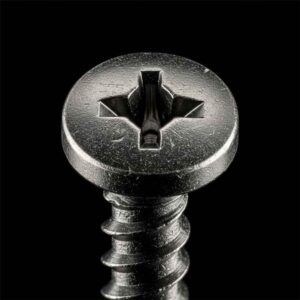
| Construcción y fachadas | Los tornillos de cabeza oblea sujetan los paneles metálicos y quedan bien. |
| Maquinaria | Los tornillos inoxidables #10 proporcionan conexiones de resistencia media. |
También se ven tornillos autorroscantes:
- Construcción en seco, estructuras de madera y tejados metálicos.
- Coches y aviones para montar piezas.
- Muebles y armarios para unir madera y otros materiales.
- Electrónica para sujetar soportes y piezas.
Obtendrá excelentes resultados en todos estos ámbitos. Los tornillos de acero inoxidable funcionan con muchos materiales, por lo que son una opción de primera para los trabajadores y las personas que construyen cosas en casa.
Beneficios de la apariencia
Usted quiere que sus proyectos tengan un aspecto limpio y bonito. Los tornillos de acero inoxidable tienen un aspecto brillante y moderno que no pierde brillo. Su buen aspecto es importante en lugares como cocinas, baños y fachadas de edificios.
| Grado de acero inoxidable | Resistencia a la corrosión | Contexto de la aplicación |
|---|---|---|
| 304 | Moderado | Uso general |
| 316 (A4) | Superior | Marina/Química |
Puede elija el grado adecuado para su trabajo. Los tornillos autorroscantes de acero inoxidable mantienen su buen aspecto, incluso en lugares difíciles. Por eso son tan populares en edificios y productos de uso diario.
Consejo: Prince Fastener tiene tornillos de acero inoxidable que son fuertes, no se oxidan y tienen un aspecto estupendo. Obtendrá potencia y estilo para sus proyectos.
También obtienes nuevas prestaciones. Nuevos revestimientos como el nitruro de zinc o titanio ayudan a detener el óxido y hacen que los tornillos funcionen mejor. Los fabricantes diseñan ahora tornillos autorroscantes para reducir los residuos y ahorrar energía. Estos cambios le ayudan a obtener los mejores resultados y a que sus proyectos duren más.
Contras de los tornillos autorroscantes de acero inoxidable
Los tornillos de acero inoxidable tienen muchas ventajas. Pero también hay algunos problemas que debe conocer. Estos tornillos no son perfectos para todos los trabajos. Hay que pensar en lo que no pueden hacer antes de elegirlos.
Mayor coste
Los tornillos de acero inoxidable cuestan más que otros elementos de fijación. Utilizan materiales especiales y necesitan pasos adicionales para su fabricación. Si tiene un proyecto grande, el precio puede subir rápidamente. Por ejemplo, si construyes una terraza sólo con estos tornillos, puede que gastes el doble en fijaciones. Tienes que decidir si la mayor duración y la protección contra el óxido merecen la pena el dinero extra. A veces, puede utilizar estos tornillos sólo donde más los necesite y utilizar otros más baratos en otros lugares.
Asaltar y aprovechar los riesgos
Si utiliza tornillos de acero inoxidable, es posible que se produzcan rozamientos o agarrotamientos. El gripado se produce cuando las roscas se rozan y se pegan. Esto es habitual en calidades como 304 y 316. He aquí algunas razones por las que esto ocurre:
- La superficie de los tornillos de acero inoxidable es blanda y puede doblarse. Esto hace que se peguen entre sí cuando los aprietas.
- La fina capa que recubre los tornillos ayuda a detener la oxidación y reduce la fricción. Al apretar el tornillo, esta capa puede romperse. El metal desnudo puede entonces adherirse a otros aceros inoxidables y causar agarrotamiento.
Si se agrieta, es posible que no pueda sacar el tornillo sin romperlo. Esto es un gran problema si tiene que desmontar las cosas más tarde. Puede reducir el riesgo utilizando aceite o eligiendo tornillos de Prince Fastener con revestimientos especiales.
Ductilidad limitada
Los tornillos de acero inoxidable no se doblan tanto como otros elementos de fijación. La ductilidad significa cuánto puede estirarse o doblarse algo antes de romperse. Si utiliza estos tornillos en lugares donde las cosas se mueven o se doblan mucho, es posible que se rompan en lugar de doblarse. Esto puede hacer que su proyecto sea más débil. Esto puede ocurrir en metales finos o en piezas que soportan cargas pesadas. Debe comprobar si necesita tornillos que puedan doblarse más para su trabajo.
Agrietamiento por corrosión bajo tensión
Hay que tener cuidado con las grietas por corrosión bajo tensión en los tornillos de acero inoxidable. Esto ocurre en lugares con cloruro, como cerca del océano o piscinas. También puede ocurrir donde hay calor o cuando el agua salada se seca en los tornillos. Las grietas pueden crecer rápidamente, a veces en pocas horas. Una vez que se inicia una grieta, no se puede arreglar con soldadura. El tornillo puede romperse de repente, lo que es malo para la seguridad y la resistencia.
Puedes reducir el riesgo
- Utilizar menos fuerza al colocar los tornillos
- Utilización de métodos como el recocido o el granallado para aliviar las tensiones.
- Mantener la zona seca y limpia
- Añadir revestimientos o pintura para una mayor protección
- Elegir aleaciones más resistentes al agrietamiento
Si trabaja en un lugar difícil, pregunte a Prince Fastener qué tornillos le convienen más.
Problemas de corrosión galvánica
La corrosión galvánica es otro problema que debe conocer. Esto ocurre cuando se utilizan tornillos de acero inoxidable con otros metales, como el aluminio. Si el agua entra en contacto con ambos metales, uno de ellos puede oxidarse más rápidamente. Los tornillos pueden debilitarse y no funcionar tan bien. Es posible que vea óxido o pequeños agujeros alrededor de las cabezas de los tornillos.
Para evitarlo, puedes
- Utilice tornillos pequeños de acero inoxidable con grandes piezas de aluminio para que el efecto sea menor
- Colocar una barrera, como una arandela de neopreno o EPDM, entre los metales.
- Elija elementos de fijación que se adapten al material que está utilizando
Si quiere que su proyecto dure, compruebe siempre si los metales combinan bien. Prince Fastener puede ayudarle a elegir los tornillos adecuados.
Sensibilidad a las vibraciones
“Sensibilidad a las vibraciones: Puede se aflojan en entornos de alta vibración (por ejemplo, maquinaria) sin adhesivo fijador de roscas”.”
Los tornillos de acero inoxidable pueden aflojarse en máquinas o coches que se sacuden mucho. Esto es un problema si necesita conexiones fuertes y duraderas. Puede hacer que funcionen mejor utilizando pegamento para roscas o arandelas especiales. Si necesita la mejor sujeción en un lugar que tiembla, pida a Prince Fastener tornillos fabricados para estos trabajos.
Otras desventajas
También puedes ver estos problemas:
- Los tornillos de acero inoxidable son difíciles de volver a utilizar. Las roscas pueden desgastarse o romperse al sacarlos.
- Pueden no funcionar bien en materiales muy duros o muy blandos. En materiales duros, es posible que el tornillo no corte bien las roscas. En materiales blandos, las roscas pueden desprenderse.
- Puede que necesites herramientas especiales para obtener los mejores resultados.
Siempre debe elegir el tornillo adecuado para cada trabajo. Si desea obtener los mejores resultados, hable con Prince Fastener para obtener ayuda.
| Desventaja | Ejemplo de impacto | Sugerencia de solución |
|---|---|---|
| Mayor coste | Los grandes proyectos cuestan más | Utilizar sólo cuando sea necesario |
| Descascarillado | El tornillo no se puede quitar | Utilizar lubricante o tornillos recubiertos |
| Ductilidad limitada | Atornillado de piezas flexibles | Elija elementos de fijación más dúctiles |
| Agrietamiento por corrosión bajo tensión | Grietas en piscinas o zonas marinas | Utilizar aleaciones o revestimientos resistentes |
| Corrosión galvánica | Óxido en piezas de aluminio | Utilizar barreras o materiales a juego |
| Sensibilidad a las vibraciones | Los tornillos se aflojan en las máquinas | Utilizar adhesivo fijador de roscas |
Nota: Piense siempre en los problemas y en los puntos positivos. Los tornillos de acero inoxidable son resistentes y duran mucho tiempo, pero debe utilizarlos de la forma correcta para obtener los mejores resultados.
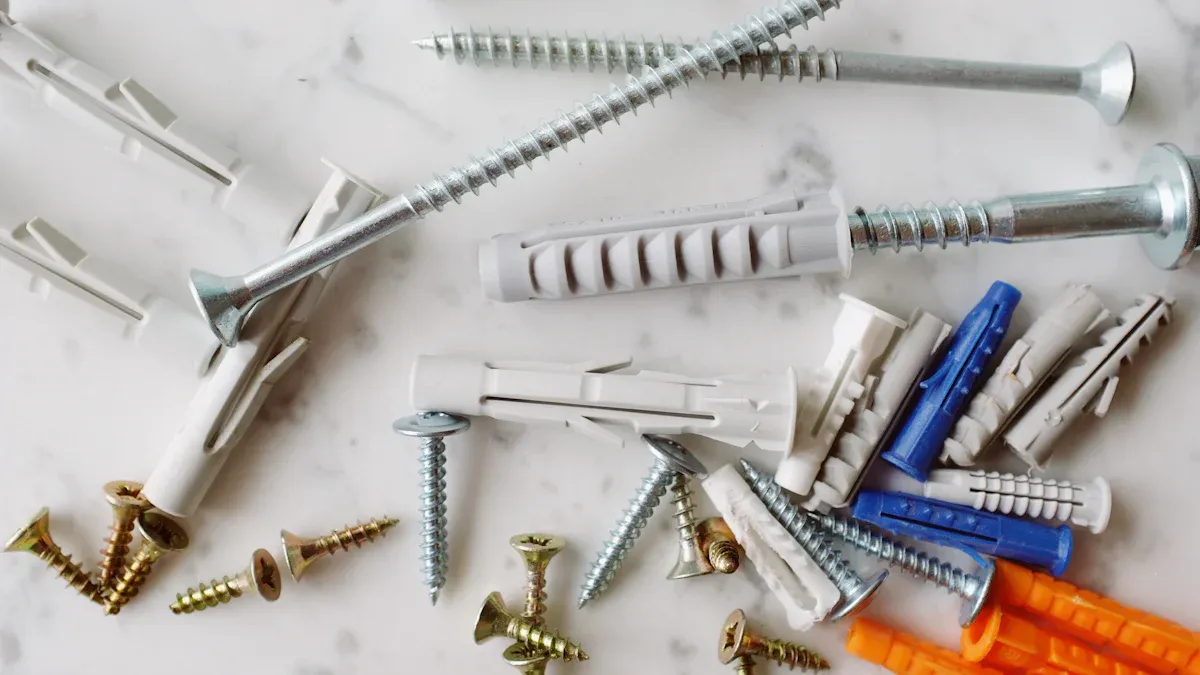
Comparación con otras fijaciones
Acero inoxidable frente a acero al carbono
Puede que tenga que elegir entre tornillos de acero inoxidable y fijaciones de acero al carbono para trabajos duros. Tornillos de acero inoxidable no se oxidan fácilmente y durar mucho tiempo. Puede utilizarlos en el exterior, cerca del agua o donde haya productos químicos. Las fijaciones de acero al carbono son fuertes cuando se empujan lateralmente. Pueden soportar bien la fuerza lateral. Pero se oxidan rápidamente si no los cubre con algo. Tornillos de acero inoxidable mantenerse fuerte incluso con mal tiempo o lugares abruptos. Funcionan bien para grandes proyectos, especialmente si se utilizan productos Prince Fastener.
Acero inoxidable frente a plástico
Las fijaciones de plástico son más baratas y pueden soportar muchos productos químicos. Puede utilizarlos si no necesita mucha resistencia. Son buenos para trabajos ligeros o cuando se quiere que las cosas sean ligeras. Los tornillos de acero inoxidable son mucho más fuertes y duran más. Además, no se oxidan fácilmente. Debería utilizar tornillos de acero inoxidable en el exterior, en barcos o para cosas pesadas. Los tornillos de plástico son mejores para trabajos pequeños o cuando el peso es importante. Los tornillos de acero inoxidable duran más, por lo que no hay que cambiarlos a menudo.
Acero inoxidable frente a latón
Los cierres de latón son bonitos y dejan pasar la electricidad. Se ven en electrónica y para decoración. El latón no se oxida tanto como otros metales, pero no es tan resistente como el acero inoxidable. El latón puede perder brillo en lugares húmedos. Los tornillos de acero inoxidable no transportan electricidad, pero son muy resistentes y no se oxidan. Debería utilizar tornillos de acero inoxidable para trabajos pesados o donde el óxido sea un problema. Prince Fastener dispone de ambos tipos, para que pueda elegir el que necesite.
Tabla de factores clave: Corrosión, resistencia, coste, idoneidad
Aquí tiene una tabla que le ayudará comparar fijaciones:
| Material | Resistencia a la corrosión | Resistencia y durabilidad | Alta resistencia a la tracción | Costo | Idoneidad |
|---|---|---|---|---|---|
| Acero inoxidable | Excepcional | Excelente | Sí | Más alto | Exteriores, marino, resistente |
| Acero carbono | Moderado | Bien | Sí | Bajo | Interior, estructural, con revestimiento |
| Latón | Limitado | Feria | No | Medio | Interior, decorativo, eléctrico |
| El plastico | Bien | Bajo | No | Bajo | Trabajo ligero, entornos químicos |
Consejo: Piense siempre dónde va a utilizar la fijación y cuánto peso debe soportar. Prince Fastener puede ayudarle a elegir el mejor para su proyecto.
Puede ver que los tornillos de acero inoxidable son los mejores porque no se oxidan, son fuertes y duran mucho tiempo. Son ideales para trabajos grandes y lugares difíciles. Si eliges el tornillo adecuado, tu proyecto durará más y necesitará menos arreglos.
Prácticas recomendadas para el uso de tornillos de acero inoxidable
Elegir el tornillo adecuado
Deberías elija los tornillos de acero inoxidable adecuados para su trabajo. El tipo y la calidad del tornillo influyen en su resistencia. También influyen en su resistencia a la oxidación y en su duración. Fíjese en esta tabla para ayudarte a elegir:
| Material | Aplicaciones | Pros | Contras |
|---|---|---|---|
| Inoxidable 304 | Interior/General Exterior | Rentable y versátil | Menos resistente a la corrosión que el 316 |
| Inoxidable 316 (A4) | Entornos marinos/químicos | Resistencia superior a la corrosión | Mayor coste |
| Acero inoxidable 410 | Juntas metálicas de alta dureza | Alta resistencia para el acero | Necesita revestimiento contra el óxido |
| Revestimiento negro | Construcción/Decoración | Estético, antideslumbrante | El revestimiento puede desgastarse |
Prince Fastener tiene muchos tornillos de acero inoxidable para todo tipo de trabajos. Compruebe siempre el grosor de su material antes de empezar. Utilice el tornillo del tamaño adecuado para que no se rompa. Elegir el tornillo adecuado le ayuda a utilizar el acero inoxidable de una forma que es buena para el planeta.
Consejos de instalación
Puede evitar problemas como el gripado y el agarrotamiento si siga estos pasos:
- Ponga aceite especial en las roscas antes de utilizar el tornillo.
- Gire el tornillo lentamente y sin prisas. Termine de apretar con la mano.
- Asegúrese de que todas las piezas estén alineadas antes de apretar.
- Utilice tornillos de rosca gruesa si desea un mejor agarre.
- Taladre primero un agujero pequeño si el material es duro.
- Cambie los tornillos que estén dañados y no los fuerce.
Consejo: Los tornillos Prince Fastener están bien fabricados. Te ayudan a evitar errores y hacen que tu trabajo dure más.
Lleve equipo de seguridad y utilice las herramientas adecuadas para el trabajo. Deje que el tornillo entre solo. No empuje con demasiada fuerza.
Consejos de mantenimiento
Puede ayudar a que los tornillos de acero inoxidable duren más si los cuida. Cuidar tus tornillos también ayuda al planeta.
- Poner arandelas de nylon o goma entre el tornillo y otros metales. Así se evita que se oxiden al tocarse metales diferentes.
- Utilice selladores o revestimientos si trabaja en el exterior o cerca del agua.
- Comprueba los tornillos a menudo y añade más sellador si es necesario.
- Limpia cualquier suciedad u óxido que veas.
- Utiliza métodos de limpieza especiales para que los tornillos combatan aún mejor el óxido.
Nota: Un buen cuidado hace que sus proyectos duren más. Los tornillos Prince Fastener son fáciles de mantener limpios y resistentes.
Si sigue estos consejos, sus tornillos de acero inoxidable serán resistentes, seguros y buenos para el medio ambiente.
Los tornillos de acero inoxidable son resistentes al óxido y fáciles de usar. También tienen un aspecto bonito y limpio. Puede que pagues más por ellos, pero duran mucho tiempo. A veces, estos tornillos pueden aflojarse si las cosas se sacuden mucho. También pueden tener problemas en lugares muy duros. Elija siempre tornillos de acero inoxidable que se adapten a su proyecto. Consulte esta tabla para ayudarte a decidir:
| Consideración | Descripción |
|---|---|
| Durabilidad | Los tornillos de acero inoxidable son resistentes y no se desgastan con rapidez. |
| Resistencia a la corrosión | Estos tornillos funcionan bien incluso en lugares ásperos, húmedos o sucios. |
| Costo total de propiedad | Al principio cuestan más, pero ahorran dinero porque duran más. |
| Solicitud | Los tornillos de acero inoxidable son seguros y sirven para muchos trabajos. |
| Condiciones medioambientales | Pueden soportar el agua, los productos químicos y los cambios de temperatura. |
| Rendimiento frente a presupuesto | Estos tornillos le ofrecen una buena relación calidad-precio. |
Piensa dónde vas a utilizar los tornillos y qué es lo que tienen que sujetar. Piense también en cuánto dinero quiere gastarse. Prince Fastener puede ayudarle a elegir los mejores tornillos de acero inoxidable para cualquier trabajo.
- Puede obtener más información sobre la selección de elementos de fijación en lectura de las normas ASTM, ISO y SAE.
- Los tornillos especiales de acero inoxidable pueden ayudar en trabajos complicados.
- Es importante elegir el tamaño, el revestimiento y el tipo de tornillo de acero inoxidable adecuados.
Consejo: Saber cómo funcionan los tornillos de acero inoxidable le ayudará a elegir mejor para su próximo proyecto.
Preguntas más frecuentes
¿Por qué son mejores los tornillos de acero inoxidable para exteriores?
Si elige tornillos de acero inoxidable, obtendrá una sólida protección contra el óxido. Estos tornillos funcionan bien bajo la lluvia, la nieve y el sol. Sujetador Príncipe ofrece opciones que duran más en el exterior que las fijaciones normales.
¿Se pueden reutilizar los tornillos de acero inoxidable después de retirarlos?
Puede reutilizar los tornillos de acero inoxidable, pero las roscas pueden desgastarse o romperse. Para obtener los mejores resultados, utilice tornillos nuevos de Prince Fastener para cada proyecto. Esto ayuda a mantener su trabajo seguro y fuerte.
¿Funcionan los tornillos de acero inoxidable en madera y metal?
Puede utilizar tornillos de acero inoxidable en madera, metal y plástico. Estos tornillos crean sus propias roscas, por lo que ahorrará tiempo. Prince Fastener diseña tornillos para muchos materiales y trabajos.
¿Cómo se evita que se aflojen los tornillos de acero inoxidable?
Puede utilizar pegamento fijador de roscas o arandelas especiales para mantener apretados los tornillos de acero inoxidable. Prince Fastener recomienda estos métodos para máquinas o lugares con vibraciones.
¿Son seguros los tornillos de acero inoxidable para alimentos y equipos médicos?
Obtendrá resultados seguros y limpios con los tornillos de acero inoxidable en cocinas y utensilios médicos. Estos tornillos resisten el óxido y las manchas. Prince Fastener suministra tornillos que cumplen las normas de seguridad para estos usos.


 Español
  English
  Português do Brasil
  Русский
  日本語
日本語  العربية