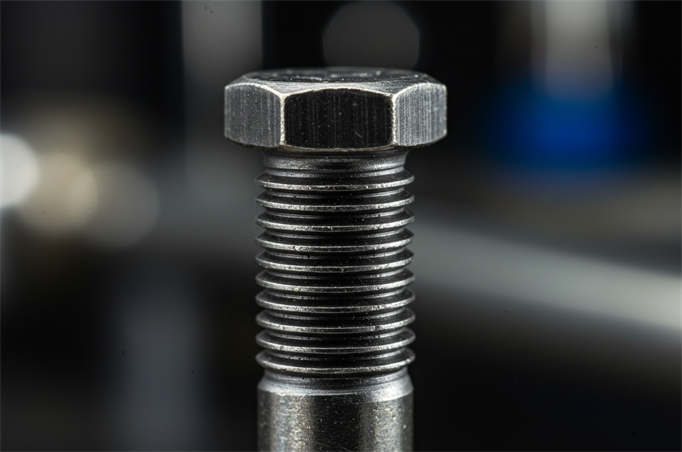
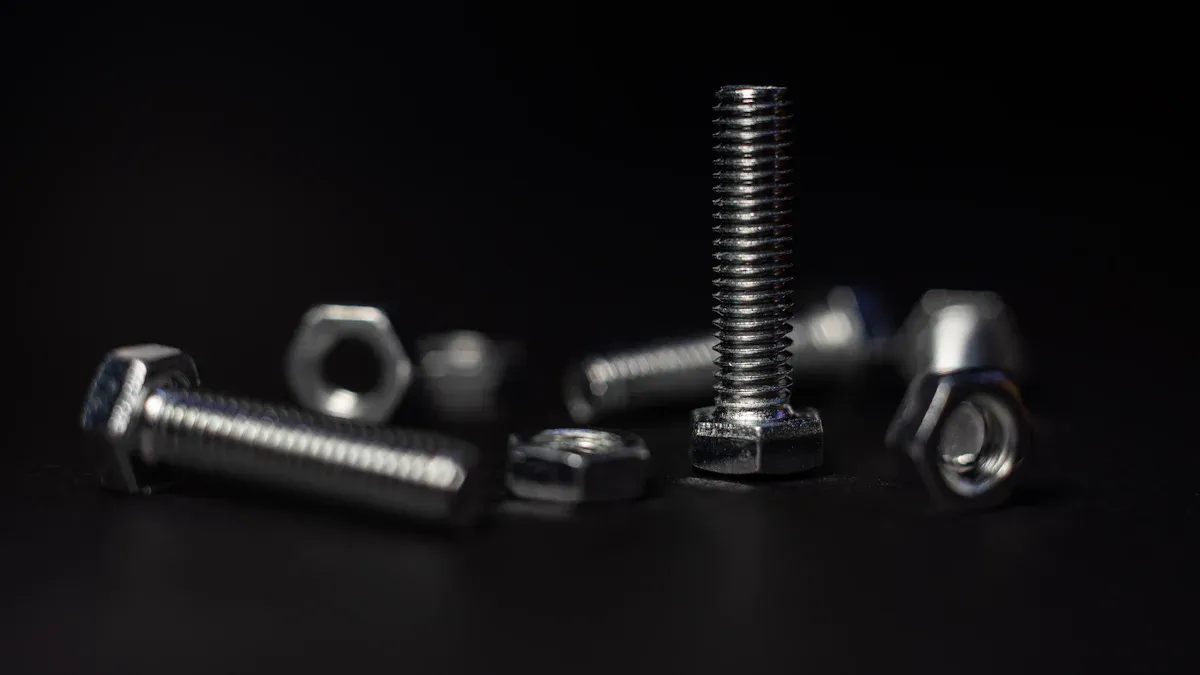
You want your 8 32 bolt to be strong and last long. Stainless options protect best from rust, especially outside or near water. Choosing the right material is important for safety and easy care. Each use has different needs, so pick what fits your job. You should also think about coatings on bolts or fasteners. Coatings can help them last longer and fight rust. This guide will help you choose the best one for your project.
Principales conclusiones
- Pick pernos de acero inoxidable if you need them outside or in wet places. This helps stop rust from forming.
- Utilice carbon or alloy steel bolts when you need strong bolts for heavy jobs.
- Choose brass or bronze bolts if you want them to look nice or use them near water. These bolts do not rust easily.
- Go with aluminum bolts if you want bolts that are light and do not rust.
- Think about nylon or plastic bolts if you need them to resist chemicals or not carry electricity.
8 32 Bolt Material Overview
When you pick an 8 32 bolt, you should know about the materials. Each material has special features for different jobs. Bolts can be made from stainless steel, acero carbono, alloy steel, brass, bronze, aluminum, nylon, or plastic. Each one is good for certain uses. Let’s see what makes each material special and where you might use it.
Stainless Steel Grades (18-8, 304, 316)
Stainless steel bolts are great at stopping rust. You often see 18-8, 304, and 316 grades in fasteners. These 300-series screws work well outside or in wet places. They do not rust easily because they have chromium. You can use them for boats, food, or outdoor projects.
Here is a table with some important facts about stainless steel screws:
| Grado de acero inoxidable | Density | Melting Point | Resistencia a la tracción | Yield Strength (0.2% Offset) | Elongation |
|---|---|---|---|---|---|
| SS 316 | 8.0 g/cm³ | 1400 °C (2550 °F) | Psi – 75000, MPa – 515 | Psi – 30000, MPa – 205 | 35% |
| SS 316L | 8.0 g/cm³ | 1400 °C (2550 °F) | Psi – 75000, MPa – 515 | Psi – 30000, MPa – 205 | 35% |
Stainless steel screws are strong and last a long time. If you need bolts for tough places, 316 stainless is a great pick.
Carbon and Alloy Steel
Carbon steel bolts are strong, not too expensive, and useful for many things. You see them in building, cars, and machines. Alloy steel screws have extra things like chromium or molybdenum. This makes them stronger and harder than plain carbon steel. You use alloy steel when you need very strong bolts, like in planes or big machines.
| Material | Unique Properties | Usos típicos |
|---|---|---|
| Acero carbono | Balance of strength, affordability, and versatility | Construction, automotive, industrial |
| Aleación de acero | Enhanced strength, hardness, and corrosion resistance | Machinery, aerospace, high-stress jobs |
Pick carbon or alloy steel screws if you need bolts that hold heavy things.
Latón y Bronce
Brass and bronze screws do not rust easily. Brass is not magnetic and is softer than steel. You use it for wires, pipes, and decorations. Bronze is stronger and lasts longer than brass. It works well on boats and where there are chemicals.
| Material | Unique Properties | Usos típicos |
|---|---|---|
| Latón | Non-magnetic, highly resistant to corrosion, softer than steel | Electrical, plumbing, decorative |
| Bronce | Stronger and more durable than brass, resistant to corrosion and chemicals | Boat building, ship maintenance, electrical power |
For outdoor or boat use, you can pick nickel-plated brass or bronze. Nickel plating helps stop rust even more.
Tip: For outside or boat jobs, look for nickel-plated brass or bronze screws. This helps them last longer in hard places.
Aluminio
Aluminum screws are light and do not rust. You find them in planes, cars, boats, and sports gear. They do not weigh much, so they are good when you want things light. Aluminum screws are best for jobs that do not need a lot of strength.
| Material | Unique Properties | Usos típicos |
|---|---|---|
| Aluminio | Lightweight, corrosion-resistant | Aircraft, automotive, marine, sporting goods |
Do not use aluminum screws if you need very strong bolts. They are best for light jobs.
Nylon and Plastic
Nylon and plastic screws are good at fighting chemicals. They do not rust. These screws are light and do not carry electricity. You use them in electronics, circuit boards, and outdoor gear. Nylon screws can soak up shakes and keep heat away.
Here is a table that shows what nylon screws can do and their limits:
| Característica | Nylon Screws | Limitaciones |
|---|---|---|
| Chemical Resistance | High resistance to many chemicals | Not good for UV without stabilizers |
| Mechanical Strength | Lower load-bearing than metals | Not for heavy-duty jobs |
| Resistencia a la corrosión | Excelente | Can change with moisture |
| Weight | Very light | |
| Vibration Damping | Absorbs vibrations | |
| Thermal Insulation | Reduces heat transfer |
Use nylon or plastic screws when you need light, non-metal bolts that fight chemicals. They are not good for hot or heavy jobs.
Note: Prince Fastener has many 8 32 bolt choices in all these materials, so you can always find the right screw for your job.
By learning about these materials, you can pick the best screw for your needs. Always match the material to your job for safety and long life.
Corrosion Resistance in Fasteners
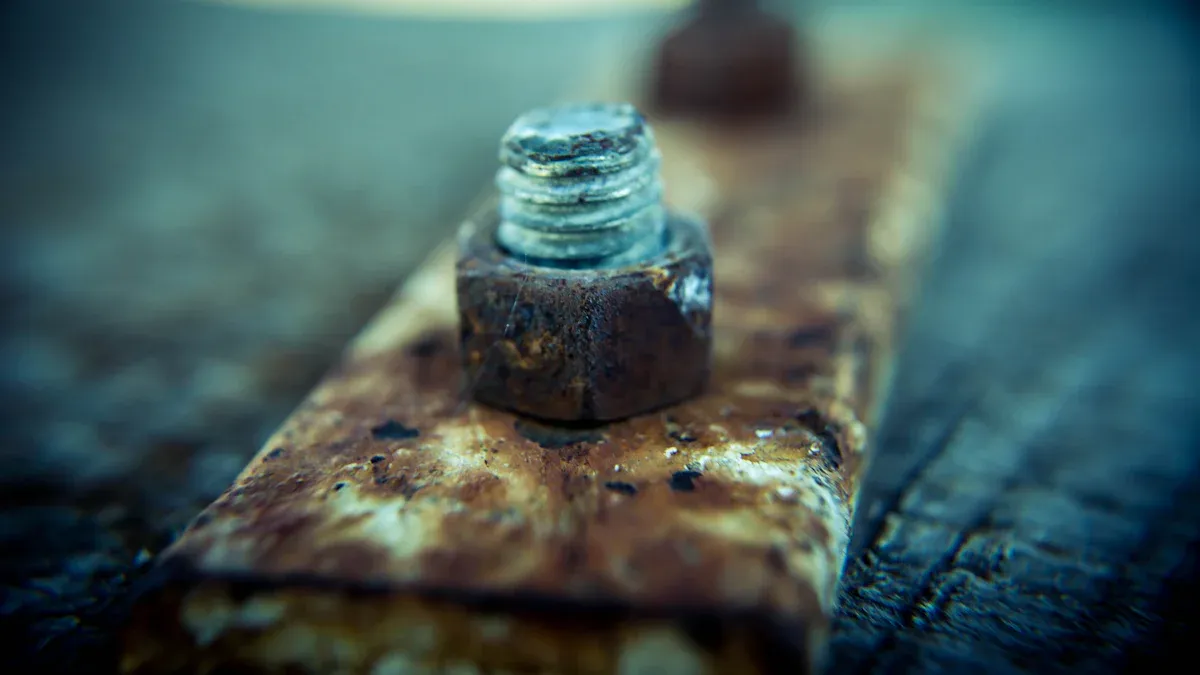
When you pick bolts, think about how they fight rust. Corrosion can hurt fasteners and make them break. You want screws that last where you use them. This matters if you work inside, outside, or near water.
Stainless Steel Corrosion Resistance
Stainless steel bolts protect best against rust. 304 and 316 grades are used where rust is a big worry. 304 stainless screws work in fresh water and mild outdoor places. 316 stainless bolts handle saltwater, chemicals, and tough weather. These bolts do not rust easily, so they are good for boats, pools, and chemical plants.
Here is a table that compares 304 and 316 stainless steel:
| Calificación | Resistencia a la corrosión | Aplicaciones típicas | Magnetismo | Workability & Cost |
|---|---|---|---|---|
| 304/A2 | Excellent (freshwater, mild environments) | Decking, food equipment, general construction | Generally non-magnetic | Easy to form, weld, and machine; lower cost |
| 316/A4 | Superior (saltwater, chemicals, chlorides) | Marine, pool, chemical plants, coastal hardware | Generally non-magnetic | Slightly harder to machine; higher cost |
Pick 316 stainless screws for boats or pools. Use 304 stainless fasteners for decks or food gear. Prince Fastener sells both types, so you can find what you need.
Carbon and Alloy Steel Resistance
Carbon steel bolts are strong and cheap, but they do not fight rust well. You see these bolts in buildings and machines. If you use carbon steel screws outside, they can rust fast. Alloy steel bolts have extra stuff to make them stronger, but they still need help to stop rust.
You can protect steel bolts with coatings like zinc or black oxide. These coatings slow down rust and help bolts last longer. Steel screws work fine inside. For outside jobs, always pick coated steel bolts.
Tip: Use coated steel bolts for outside work. Coatings help stop rust and keep bolts strong.
Brass, Bronze, and Aluminum Resistance
Brass, bronze, and aluminum screws fight rust in different ways. Brass bolts look nice and do not rust in dry places. They do not work well in wet or chemical spots. Bronze bolts stand up to saltwater and chemicals, so you see them on boats and in power plants. Aluminum bolts fight rust and are light, but they are best for easy jobs.
Here is a table that shows how these materials work:
| Material | Corrosion Resistance Level | Notas |
|---|---|---|
| Latón | Susceptible | High risk in marine and chemical environments. Consider protective measures. |
| Bronce | Superior | Excellent resistance in saltwater and various chemicals. |
| Aluminio | Resistant | Best for low-stress applications, lightweight. |
- Brass can rust in wet or chemical places.
- Bronze fights rust well, even in saltwater.
- Aluminum resists rust but is best for light loads.
Pick bronze screws for boats. Use aluminum fasteners for light outdoor jobs. Prince Fastener has many choices in these materials.
Nylon and Plastic Resistance
Nylon and plastic bolts do not rust. These bolts fight chemicals and water. You use nylon screws in electronics, outdoor gear, and places where metal bolts might rust. Nylon bolts work inside and outside, but they do not hold heavy things or strong sun without special help.
You can test how bolts fight rust in labs. They use tests like galvanic corrosion and visual checks. Good nylon screws show no damage, even after long use.
Note: Nylon and plastic bolts are great for light jobs where you need non-metal screws that fight chemicals.
When you pick bolts, match the material to your job. Stainless steel screws fight rust best for hard jobs. Coated steel bolts work inside and outside if you want strong bolts for less money. Bronze and aluminum bolts help in wet or salty places. Nylon screws are good for light, chemical-resistant jobs. Prince Fastener can help you find the right bolt for every job.
Factors Affecting Corrosion Resistance
Coatings and Plating (Zinc, Black Oxide)
You can make fasteners fight rust better with coatings. Zinc plating is used a lot. It puts a thin layer on steel screws. This layer blocks water and air. It helps slow down rust and keeps bolts strong. Black oxide is another coating. It gives steel screws a dark look. It protects a little and makes screws look nice. But it does not stop rust as well as zinc. Always check if your fasteners have coatings. Coatings help bolts last longer, especially in hard places.
Tip: For outdoor jobs, pick fasteners with zinc plating. Zinc helps screws fight rust better. Prince Fastener has many coated screws for you.
Environmental Impact (Moisture, Chemicals, Salt)
Where you use fasteners changes how fast they rust. Water, chemicals, and salt make bolts rust faster. Here is what happens in different places:
- Inland (Low Chloride): There is little salt and not much humidity. 304 stainless steel screws work well here.
- Coastal (Moderate Chloride): There is more salt in the air and more humidity. 316 stainless steel fasteners are better for these places.
- Marine (High Chloride): There is direct saltwater or splashes. Only 316 stainless steel bolts stay strong for a long time.
If you use steel screws with aluminum rails, galvanic corrosion can happen. This makes aluminum rust faster, even if the screw stays strong. Always think about what materials you use before picking fasteners.
Maintenance and Longevity
You can help fasteners last longer with good care. Use washers or bushings that do not carry electricity. This stops galvanic corrosion between metals. Put sealants or coatings on before you use the screw. Check your fasteners often and add more sealant if needed. Passivation and electropolishing are special treatments. They help steel screws fight rust by making the surface smoother and cleaner.
| Prácticas de mantenimiento | Descripción |
|---|---|
| Non-conductive washers or bushings | Use nylon, rubber, or plastic to stop galvanic corrosion |
| Sealants and protective coatings | Put on before you use the screw for extra protection |
| Regular maintenance | Check and add sealants, especially in tough places |
| pasivación | Chemical treatment to clean and help screws fight rust |
| Electropulido | Makes surfaces smooth and shiny to keep out moisture |
If you do these things, your fasteners will stay strong and fight rust for a long time. Prince Fastener can help you pick the right material and coatings for your project. Always think about your materials and the place you use them for the best results.
Guide to Choosing the Right 8 32 Bolt
Application-Based Recommendations
You need the right screw for your job. First, think about where you will use it. Here is a simple guide to help you:
- Check how strong the screw needs to be. Use steel or alloy for heavy things.
- Think about rust. Pick stainless steel or bronze for wet or salty places.
- Look at coatings. Zinc and other coatings help screws last longer outside.
- Watch out for metals that react. Do not mix metals that can cause problems.
- Match the screw type to your job. Some screws work better in wood, metal, or plastic.
If you need help, Prince Fastener has a quick guide and many screw types for different jobs. You can find the right 8 32 bolt for what you need.
Cost and Performance
You want bolts that do not cost too much and last long. Stainless steel screws cost more but fight rust best. Carbon steel screws are strong and cheaper, but need coatings for outside. Nylon and plastic screws are cheap and fight chemicals, but are not very strong. Zinc coatings cost a little more but help screws last longer. Always think about cost, strength, and rust resistance when you choose.
Tip: For jobs near water or chemicals, pick stainless steel or bronze screws. For inside jobs, carbon steel with zinc coating works well.
Material and Resistance Summary Table
He aquí una simple guide to compare screw types, materials, and uses:
| Tipo tornillo | Material | Finalizar | Solicitud | Resistencia a la corrosión | Fuerza |
|---|---|---|---|---|---|
| Cabeza hexagonal | Acero inoxidable | N/A | Marine, outdoor | Alta | Alta |
| Cabeza redonda | Acero inoxidable | N/A | Marine, outdoor | Alta | Alta |
| Cabeza de braguero | Zinc | N/A | Fijación general | Medio | Medio |
| cabeza plana | Acero carbono | Zinc | Indoor, dry places | Medio | Alta |
| Pan cabeza | Nylon/Plastic | N/A | Electronics, light loads | High (chemicals) | Bajo |
| Ranurado | Brass/Bronze | Níquel | Boats, power plants | Alta | Medio |
Use this table to help you pick the right screw. Always check what you need before you choose. Prince Fastener can help you find the best screw for your project.
You need the best 8 32 bolt por su trabajo. Acero inoxidable y bronze screws fight rust in wet places. Anodized aluminum and special coatings protect screws outside. Nylon screws stop metal touching metal and help in damp spots. Always pick the screw material and finish that fits your job. Prince Fastener has many fasteners for every project.
| Material/Coating | Beneficio | Environment Consideration |
|---|---|---|
| Anodized Aluminum | Strong, does not break easily | Good for outdoor builds |
| Polymer Isolators (Nylon) | Stops metal from rusting | Works in wet or coastal places |
| Selladores | Keeps water out, stops rust | Best for marine hardware |
| Paint or Powder Coatings | Blocks water and salt | Good in many places |
| Advanced Hybrid Coatings | Lasts long, hard to scratch | Great for tough marine or work areas |
Quick Checklist for Choosing Screws:
- Pick screws that match your environment.
- Use screws that go 1 to 1.5 times deep as their width.
- Make sure threads fit well for 8-32 bolts.
- Think about how thick your material is.
- Choose Prince Fastener for strong screws.
Preguntas más frecuentes
What does 8 32 bolt mean?
You see “8 32 bolt” when you shop for screws. The “8” shows the screw size. The “32” means there are 32 threads in one inch. This helps you pick the right screw for your project.
Which screw material should I use outside?
You should use stainless steel screws for outdoor jobs. These screws fight rust and last a long time. If you work near saltwater, pick 316 stainless steel. Prince Fastener offers many outdoor screw choices.
Can I use a screw without a coating?
You can use a screw without a coating inside. For outside or wet places, you need a coated screw. Coatings help screws last longer and stop rust. Zinc coating works well for most fasteners.
How do I know if a screw is strong enough?
You should check the screw material and size. Steel screws hold heavy things. Nylon screws work for light jobs. Always match the screw to your project needs. Ask Prince Fastener if you need help.
What is the difference between a screw and a bolt?
A screw usually goes into a tapped hole or makes its own threads. A bolt needs a nut to hold things together. You use both screws and bolts for many projects.



 Español
  English
  Português do Brasil
  Русский
  日本語
日本語  العربية