
Have you ever tried to fix a loose cabinet door or put together new furniture? You might wonder which screw you should use. The 8-32 screw diameter shows up a lot in home improvement, DIY, and even big projects. You want a screw that fits well, holds tight, and lasts long. Picking the right screw size, length, and material is very important. Here are some places you might use these screws:
| Application Type | Description |
|---|---|
| General Manufacturing | Put together machines and equipment easily. |
| Construction Projects | Attach parts where strength and rust protection matter. |
| Maintenance & Repair | Use for quick fixes in machines and buildings. |
| Home Improvement | Great for furniture building and repairs. |
Tip: Use stainless steel screws for strength and rust protection. Always pick a screw that matches your material for the best grip.
There are many ways to use a screw. You can make every project strong and safe.
Key Takeaways
- Know what 8-32 screw size means. The ‘8’ is the diameter. The ’32’ is how many threads are in one inch. This screw works for many different jobs.
- Pick the right screw length. The screw should go in at least two times its diameter. This helps it hold strong. Measure how thick your material is before you pick a screw.
- Make pilot holes first. Pilot holes stop the material from splitting. They also help the screw go in straight. For most wood, use a 9/64 inch pilot hole.
- Pick the right screw material. Use stainless steel screws outside. Use steel zinc screws inside. Match the screw material to your project for best results.
- Watch out for mistakes. Do not make screws too tight or you can strip the threads. Always use the right screw type for your material. This keeps everything secure.
8-32 screw diameter basics
What does 8-32 mean?
You might see the term 8-32 screw diameter on packaging or in project guides. But what does it really mean? When you look at screw sizing explained, the first number tells you the screw’s size, and the second number shows how many threads are in each inch. For the 8-32 screw diameter, the “8” is the size, and “32” means there are 32 threads per inch. This makes the screw fine-threaded and strong for its size.
Here’s a quick table to help you see what the 8-32 screw diameter stands for:
| Screw Designation | Diameter (inches) | Thread Count (TPI) |
|---|---|---|
| 8-32 | 0.1640 | 32 |
If you want a screw that fits tightly and holds well in many materials, the 8-32 screw diameter is a great choice. You’ll find it in furniture, electronics, and even light fixtures.
Diameter and thread impact
The diameter and thread count of a screw change how it works in your project. The 8-32 screw diameter gives you a balance between strength and easy installation. A screw with a larger diameter can hold more weight, but it might split thin materials. The 8-32 screw diameter is just right for many jobs because it’s not too thick or too thin.
The 32 threads per inch mean the screw grabs the material tightly. This helps stop the screw from loosening over time. If you’re choosing the right screw for wood, metal, or plastic, you want to think about both the diameter and the thread count. The 8-32 screw diameter works well in composite materials and thin metals. It’s also a favorite for mounting electrical boxes and hardware.
Tip: Always check the screw length before you start. If the screw is too short, it won’t hold. If it’s too long, it could poke through or damage your project.
Thread engagement tips
Getting the right thread engagement is key for a strong hold. You want the threads of the screw to bite into the material without stripping it. For most projects, aim for the screw to go into the material at least twice its diameter. With the 8-32 screw diameter, that means you want the screw length to be at least 0.33 inches in the material.
Here are some quick tips for better thread engagement:
- Pick the right screw length for your material. Too short, and the screw won’t hold. Too long, and you risk damage.
- Drill a pilot hole that matches the screw diameter. This helps the screw go in straight and keeps the material from splitting.
- Use a quality brand like Prince Fastener for reliable screws that won’t strip or snap.
If you follow these tips, you’ll get a solid grip every time. Choosing the right screw and the right screw length makes your project safer and stronger.
Screw size guide for applications
Choosing the right screw
You want your project to last, so picking the right screw matters. Start by thinking about what you are building. Are you working on a light fixture, a piece of furniture, or maybe something with composite materials? These are some of the most common applications for 8-32 screws. You will see them used in electrical boxes, cabinet hardware, and even in some electronics.
When you choose a screw, look at the material you are joining. For wood, you need a screw that bites well but does not split the wood. For metal or composite materials, you want a screw that threads smoothly and holds tight. Prince Fastener offers reliable 8-32 screws that work well in many situations. If you want a screw that resists rust and lasts a long time, stainless steel is a great choice. For indoor projects, steel zinc screws give you strength and protect against moisture.
Here is a quick table to help you compare screw materials and their advantages:
| Material | Advantages |
|---|---|
| Stainless Steel | Excellent corrosion resistance, durability, and strength. Ideal for many applications. |
| Steel Zinc | Superior corrosion resistance, protects against moisture, and keeps strength characteristics. |
Tip: Always match the screw material to your project. Stainless steel works best outdoors or in damp places. Steel zinc is perfect for indoor use.
Matching length to material
Getting the right length is just as important as picking the right screw size. If your screw is too short, it will not hold. If it is too long, it might poke through or damage your project. For most common applications, you want the screw to go into the material at least twice its diameter. For an 8-32 screw, that means about one-third of an inch or more inside the material.
Here are some simple steps to help you pick the right length:
- Measure the thickness of the material you are joining.
- Choose a screw that will go deep enough for a strong grip, but not so long that it sticks out the other side.
- For composite materials, use a slightly longer screw for extra holding power.
- In light fixtures, check that the screw does not touch any wires or parts inside.
Note: If you are not sure, start with a shorter screw and test the fit. You can always try a longer one if you need more grip.
Head types and materials
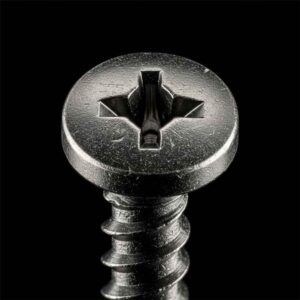
The head type of your screw changes how it looks and how you install it. You will find flat heads, pan heads, and round heads among the most common ways to use 8-32 screws. Flat heads sit flush with the surface, which looks neat on furniture or cabinets. Pan heads and round heads stick out a bit, making them easier to remove or adjust later.
Material also matters for the screw head. Stainless steel heads resist rust and look shiny. Steel zinc heads blend in with most hardware and stay strong over time. For most applications, you can pick the head type that matches your project’s look and function.
Here are some screw recommendations for different applications:
- Use flat head screws for furniture and cabinet doors.
- Pick pan head screws for electrical boxes and light fixtures.
- Try round head screws for composite materials or places where you need to remove the screw often.
Callout: Always use the right screwdriver for your screw head. This keeps the screw from stripping and makes your project look better.
A good screw size guide helps you match the right screw, length, and material to your project. You will get better results and avoid common problems. Remember, the right screw makes every application stronger and safer.
Installation tips
Pilot holes and drilling
When you start any project with an 8-32 screw, you want to make sure the material does not split or crack. Drilling a pilot hole helps you avoid these problems. A pilot hole gives the screw a path to follow, so it goes in straight and holds tight. For both hardwood and softwood, the best pilot hole size is 9/64 inches. This size works well and keeps your material safe.
| Wood Type | Recommended Pilot Hole Size |
|---|---|
| Softwood | 9/64 inches |
| Hardwood | 9/64 inches |
If you skip this step, you might end up with a weak grip or even a broken piece. Always measure and drill before you start the installation.
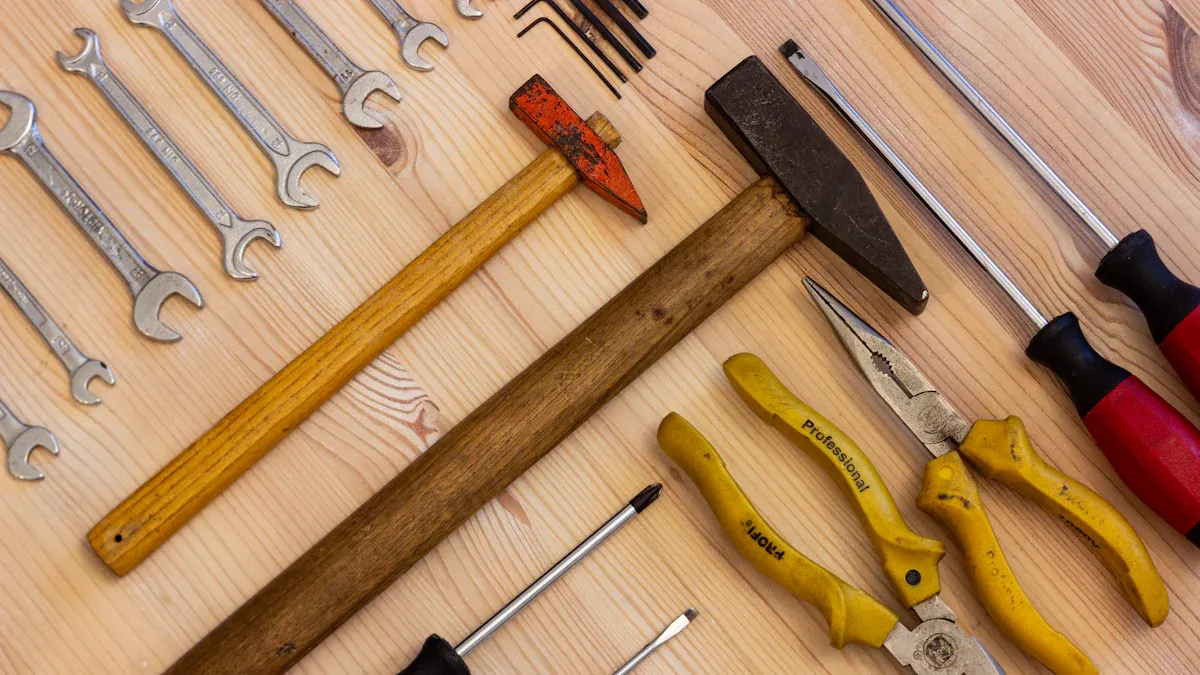
Tools for installation
The right tools make your installation easier and faster. You want to use a variable speed drill motor for most jobs. This tool helps you control how fast the screw goes in. For metal or composite materials, you can use brass or stainless inserts with an 8-32 internal thread. These inserts need a 1/4″ pilot hole. If you need to pre-thread a hole, a bottoming tap works well.
| Tool/Part | Description | Price |
|---|---|---|
| Brass Insert | 8-32 internal thread, requires 1/4″ pilot hole | $8.79/pkg (25 parts) |
| Stainless Insert | 8-32 internal thread, requires 1/4″ pilot hole | $2.80 each |
| Philips Oval Head SS Machine Screws | 8-32 x 1 1/4″, 1 1/2″, or 1 3/4″ | $9.06/100, $7.08/50, $7.60/50 |
| Drill Motor | Variable speed drill motor recommended for installation | $9.26 |
| Bottoming Tap | 5/16-18 tap for pre-threading holes | N/A |
Prince Fastener offers high-quality screws and inserts that fit these tools perfectly. You get a smoother installation and a stronger hold.
Adhesive bonding uses
Sometimes, you want your screw to hold even tighter, especially in composite materials. Using an epoxy adhesive can help. Here are some reasons to try adhesive bonding:
- Epoxy has high peel and shear strength, so your screw stays put.
- It bonds well to many materials, including composites.
- The adhesive adds shock, vibration, and impact resistance, making your project last longer.
If you want the best results, add a small amount of epoxy to the hole before you install the screw. This simple step can make a big difference in holding power.
Mistakes to avoid
Over-tightening and stripping
You want your screw to hold tight, but turning it too much can cause real trouble. Over-tightening can strip the threads in furniture, cabinets, or even ceiling boxes. When you strip a screw, it loses grip and can’t hold anything together. Sometimes, you might use a low-quality screw or the wrong size, which makes stripping even more likely. If you notice the screw spinning without tightening, stop right away. Using a good brand like Prince Fastener helps you avoid these problems because their screws stay strong and reliable.
- Over-tightening can damage ceiling boxes and weaken your furniture.
- Using the wrong screw size or poor-quality screws can make stripping worse.
- If one side of a fixture fails, the torque from the other side can pull the screw out.
Tip: Turn the screw until it feels snug, then stop. Don’t force it.
Wrong screw for material
Picking the wrong screw for your material can ruin your project. If you use a screw meant for metal in wood, it might not grip well. In furniture assembly, using the wrong screw can split wood or damage cabinets. Always match the screw to your material. For cabinets, use screws designed for wood. For metal frames, pick screws made for metal. Prince Fastener offers a wide range of screws for every job, so you can always find the right one.
| Material | Best Screw Type |
|---|---|
| Wood | Wood screw |
| Metal | Machine screw |
| Composite | Specialty screw |
Note: The right screw keeps your furniture and cabinets strong and safe.
Ignoring load and stress
You might think any screw will work, but ignoring how much weight or stress your project needs to handle can lead to failure. For example, if you skip design details like chamfer size, you can lose up to 18% of the clamp force. That small mistake can turn a strong cabinet installation into a weak spot. Always check the load your furniture or cabinets need to support. Use the right screw size and length for the job. Prince Fastener screws are made to handle tough jobs, so you can trust them for heavy furniture and cabinets.
- Even a tiny change in design can make your screw much weaker.
- Heavy furniture and cabinets need screws that match the load.
Callout: Always double-check your screw choice before starting your next project.
Troubleshooting issues
Fixing stripped holes
You might run into a stripped hole when you use a screw in wood, metal, or even electronics. This happens when the threads inside the hole wear out, so the screw cannot grip. You do not have to toss your project. Here are some ways you can fix a stripped hole:
- Drill out the old hole and re-tap it to the next larger size. This gives you fresh threads for a new screw.
- Install a Helicoil. This small coil restores the original thread size, so you can keep using the same screw. Helicoil kits come with tools and instructions, making the repair easy.
- Use quality drill bit stops. These help you drill to the right depth and avoid damaging electronics or other delicate parts.
If you work with electronics mounting or furniture, these fixes save time and money. Prince Fastener recommends Helicoils for a long-lasting solution, especially if you need to remove and replace the screw often.
Preventing loosening
Screws can loosen over time, especially in electronics or places with lots of vibration. You want your screw to stay tight, so try these tips:
- Use thread locker adhesives. A drop of glue on the threads keeps the screw from shaking loose.
- Pick locking nuts or washers. Nyloc nuts and lock washers add friction and help the screw stay put.
- Try mechanical locking devices. Castle nuts or double nuts stop the screw from turning.
- Choose the right screw size and tighten it to the correct torque. This helps in electronics and other sensitive projects.
- Add washers to spread out the load. This keeps the screw from digging into soft materials.
Tip: Do not over-tighten. Too much force can strip the threads and make the screw loose faster.
Alignment solutions
Getting the screw lined up right makes your project look and work better. If you install screws in electronics, furniture, or any assembly, follow these steps:
- Clean the surfaces and threads. Remove oil, dirt, and debris.
- Check the threads. Make sure they are not damaged or cross-threaded.
- Align the parts before you start the screw. The collar or hub should sit straight.
- Pre-drill dimples for cone or dog point screws. This helps in electronics and other precise work.
- Pick the right screw point style for your material.
- Start threading by hand. This stops cross-threading.
- Use the correct hex key or screwdriver. It should fit snugly.
- Adjust the parts to the right spot before you tighten the screw.
- Add threadlocker if you expect vibration.
- Tighten to the right torque. For critical electronics, use a torque wrench.
- If you use more than one screw, tighten them in a star pattern. This spreads out the pressure.
- Check the position after tightening. Sometimes, the part can shift a little.
Prince Fastener screws work well for electronics and furniture because they hold tight and stay aligned. You get a clean, professional finish every time.
Quick reference chart
Best applications
You might wonder where you can use an 8-32 screw. This screw size chart helps you see the most common uses. You will find these screws in many places around your home and in big projects. Here are some top applications:
- Electrical installations like panel box mounting and switch assembly
- HVAC systems, including ductwork and control panels
- Plumbing jobs such as fixture mounting and pipe brackets
- Equipment assembly for machines and control panels
- Industrial maintenance and equipment repair
- Commercial construction for building systems and hardware
If you want a reliable screw for these jobs, Prince Fastener offers options that fit every need.
Recommended drill sizes
Getting the right pilot hole is important. If you use the wrong size, the screw might not hold or could split the material. This screw size chart shows the best drill bit size for an 8-32 screw:
| Screw Size-TPI | Recommended Hole Diameter | Drill Bit Size |
|---|---|---|
| 8-32 | 0.1470″ | #26 |
Use this chart when you grab your drill. It helps you get a tight fit every time.
Load and strength
You want your project to stay strong. The screw size chart below shows how much strength you get from an 8-32 screw. This screw can handle a lot for its size.
| Screw Size | Minimum Tensile Strength (psi) |
|---|---|
| 8-32 | 60,000 |
That means you can trust this screw for most home and commercial projects. If you need even more holding power, check out Prince Fastener’s full screw size chart for other options.
Tip: Always double-check the screw size chart before you start. The right screw makes your project safer and stronger. 🛠️
You now have the best tips for using an 8-32 screw in any project. Always check the screw size, length, and head type before you start. Use a pilot hole and the right tool for a strong hold. Prince Fastener offers reliable screw options for every job. Double-check your screw selection and installation steps to avoid common issues. Here are some user concerns to keep in mind:
| Issue | Description |
|---|---|
| Holding Power | Compare screw strength in different materials like aluminum. |
| Thread Engagement | Make sure the screw goes deep enough for a solid grip. |
| Material Choice | Pick the right screw for soft or hard materials. |
Try these tips on your next project. Have a question or want to share your experience? Drop a comment below!
FAQ
What does the 8-32 screw size mean?
You see 8-32 on a screw package. The “8” tells you the screw’s diameter. The “32” means there are 32 threads per inch. This screw fits many home and DIY projects.
Can I use an 8-32 screw for wood and metal?
Yes, you can use this screw for both wood and metal. For wood, drill a pilot hole first. For metal, make sure the screw matches the thread in the hole. Always check your material before you start.
How do I stop a screw from stripping?
You can stop a screw from stripping by using the right screwdriver and not over-tightening. If you feel resistance, stop turning. Prince Fastener screws stay strong and resist stripping, so you get a better hold.
What is the best way to choose screw length?
Measure the thickness of your material. Pick a screw that goes in at least twice its diameter. If you use a screw that is too short, it will not hold. Too long, and it might poke through.
Why does my screw keep coming loose?
A screw can loosen from vibration or movement. Try using a thread locker or a lock washer. Tighten the screw just enough to hold, but not too much. This helps your project stay together longer.





 English
  Español
  Português do Brasil
  Русский
  日本語
日本語  العربية