
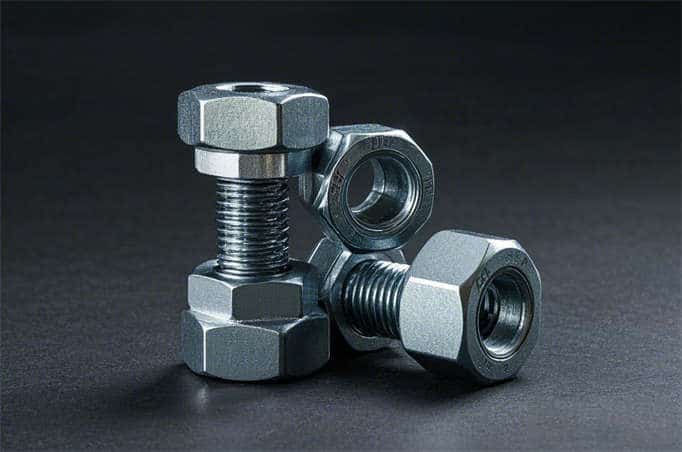
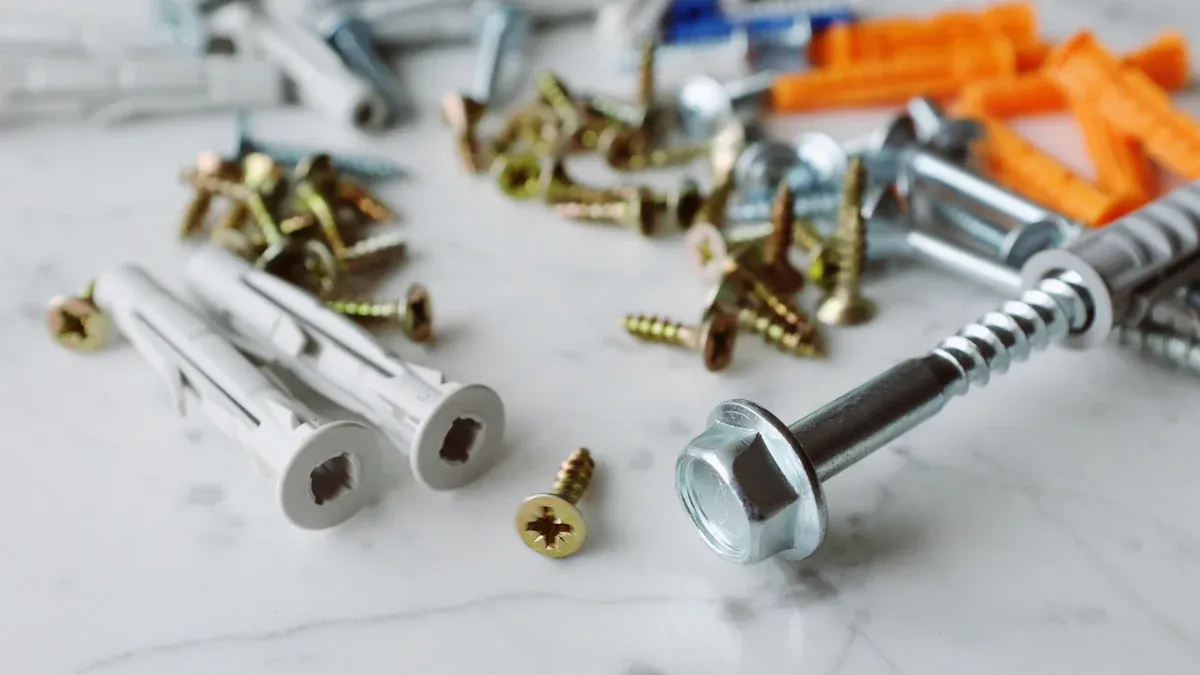
When you hear 5 ince bolt and nut, you might think it describes the diameter. In reality, 5 inch refers to the length of the bolt, not its thickness. You need to pay attention to all specifications when choosing a 5 inch bolt and nut. This means looking at the diameter, thread pitch, grade, material, and coating. The ultimate guide to bolts teaches you that even small details matter. You want your 5 inch bolt and nut to fit well and stay strong in your project. You will find that the ultimate guide to bolts covers different grades, such as grade 5 for general use, grade 8 for high strength, and grade 9 for extra strength. The ultimate guide to bolts also shows that 95% of fastener failures come from installation or maintenance, not from picking the wrong fastener. Only 5% of failures happen because the wrong 5 inch bolt and nut is used. The ultimate guide to bolts helps you avoid these problems. If you want the right 5 ince bolt and nut, you must know what each part of the specifications means.
النقاط الرئيسية
- Know that ‘5 inch’ means the bolt is 5 inches long. It does not mean how thick the bolt is. Always check the length and the thickness to make sure it fits right.
- اختر right bolt grade for your project. Grade 5 bolts are good for medium strength jobs. Grade 8 bolts are better for heavy-duty work.
- Make sure the bolt’s thread pitch matches the nut’s thread type. Do not mix coarse threads with fine threads. Mixing them can cause problems when you put them together.
- Check bolts often for rust or damage. If you see any wear, replace the bolt. This helps keep things safe and working well.
- Always use bolts and nuts that meet industry standards. This makes sure your parts fit and work well together. It also helps your project last longer.
5 Inch Bolt and Nut Basics
What Does 5 Inch Mean?
When you see a 5 inch bolt, you might think it describes the thickness. In fact, 5 inch tells you the length of the bolt from the bottom of the head to the tip. You need to know this because the length affects how much material the bolt can hold together. Many people confuse length with diameter, but these are different. The diameter tells you how thick the bolt is, while the length tells you how deep the bolt goes into the material. You should always check both measurements before you buy bolts for your project.
A common mistake is to mix up metric and imperial sizes. For example, using a metric M20 bolt with a 3/4-inch nut can cause the threads to bind and fail. You want to match the bolt and nut exactly to avoid problems.
Common Bolt Diameters and Lengths
You will find that 5 inch bolts come in several diameters. The most common diameters for these bolts include 1/2 inch, 5/8 inch, and 3/4 inch. You can also find bolts in 7/8 inch and 1 inch diameters for heavy-duty jobs. The length of 5 inch bolts makes them useful for joining thick materials or for applications where you need extra grip.
Here is a quick table to help you see common bolt diameters for 5 inch bolts:
| القطر (بوصة) | Typical Use |
|---|---|
| 1/2 | Light to medium fastening |
| 5/8 | Medium to heavy fastening |
| 3/4 | Heavy-duty connections |
| 7/8 | Structural applications |
| 1 | Industrial machinery |
You should always match the diameter and length of the bolt to your project needs.
التطبيقات النموذجية
You will see 5 inch bolts and nuts in many industries. Here are some of the most common uses:
- Automotive Industry: You find these bolts in suspension systems, engine mounts, and chassis assemblies.
- Agricultural Equipment: These bolts hold together machinery frames, plows, and motor mounts.
- Construction and Structural Work: Workers use these bolts for light structural steel connections and equipment installation.
- Industrial Machinery: You see bolts in tooling fixtures, machine frames, and conveyor systems.
- Maintenance, Repair, and Operations (MRO): These bolts help with general-purpose fastening in facility maintenance and equipment repairs.
Many people believe that tightening a bolt is all about reaching a certain torque. In reality, you want to stretch the bolt to create a strong clamping force. This keeps your parts secure. Another misconception is that Grade 8 bolts are more brittle than Grade 5 bolts. Grade 8 bolts are actually stronger and better for tough jobs.
You can avoid problems by learning how bolts work and by choosing the right bolt and nut for your project.
Bolt Specifications Explained
Diameter and Length
You need to understand bolt diameter and bolt length before you select the right fastener. Bolt diameter measures the thickness of the bolt’s shank. Bolt length measures from the bottom of the head to the tip. These two key bolt specifications determine how the bolt fits and holds materials together. You will see bolts with diameters like 1/2 inch, 5/8 inch, and 3/4 inch. Each size works best for different types of bolts and applications. If you choose the wrong bolt diameter, the bolt may not fit the hole or may not provide enough strength. Always check the bolt specifications for both diameter and length.
Here is a table showing common bolt diameters, thread pitches, and grades for 5 inch bolts:
| Bolt Diameter (inches) | Common Thread Pitch (threads/inch) | Typical Grades |
|---|---|---|
| 1/2 | 13 (coarse), 20 (fine) | Grade 2, Grade 5, Grade 8 |
| 5/8 | 11 (coarse), 18 (fine) | Grade 5, Grade 8 |
| 3/4 | 10 (coarse), 16 (fine) | Grade 5, Grade 8 |
| 7/8 | 9 (coarse), 14 (fine) | Grade 5, Grade 8 |
| 1 | 8 (coarse), 12 (fine) | Grade 5, Grade 8 |
You should match the bolt diameter and bolt length to your project’s needs. This helps you get the right fit and strength.
Thread Pitch and Type
Thread pitch tells you how many threads are in one inch of the bolt. You will see coarse and fine thread standards. Coarse threads have fewer threads per inch and work well for quick assembly and softer materials. Fine threads have more threads per inch and give you better holding power in hard materials. You need to match the thread type between the bolt and the nut. If you mix thread standards, the bolt will not fit or hold properly.
You will find that most 5 ince bolts use Unified National Coarse (UNC) or Unified National Fine (UNF) thread standards. These standards help you match nuts and bolts easily. Always check the bolt specifications for thread pitch and type before you buy. This step prevents problems during installation.
Bolt Grades and Strength
Bolt grade tells you how strong the bolt is. You will see grades like Grade 2, Grade 5, and Grade 8. Each grade has a different strength level. Grade 2 bolts work for light-duty jobs. Grade 5 bolts give you medium strength. Grade 8 bolts offer the strongest grade for bolts in most common uses. You can check the head markings to find the bolt grade.
Here is a table showing the mechanical strength ratings for common bolt grades:
| Head Marking | Grade and Material | Proof Load (psi) | Min. Yield Strength (psi) | Min. Tensile Strength (psi) |
|---|---|---|---|---|
| No Markings | Grade 2 Low or medium carbon steel | 55,000 | 57,000 | 74,000 |
| 3 Radial Lines | Grade 5 Medium carbon steel, quenched/tempered | 74,000 | 81,000 | 105,000 |
| 6 Radial Lines | Grade 8 Medium carbon alloy steel, quenched/tempered | 120,000 | 130,000 | 150,000 |
You should always choose the right bolt grade for your project. This helps you get the bolt strength you need. If you use a bolt with low strength in a high-stress job, the bolt may fail. Always check the key bolt specifications for grade and strength.
Material and Coating Options
The material and coating of a bolt affect its performance and lifespan. You will find bolts made from carbon steel, stainless steel, and weathering steel. Each material has its own benefits. Stainless steel bolts resist rust and staining. Weathering steel bolts form a protective layer of rust that slows further corrosion. Carbon steel bolts cost less but may need a coating for protection.
Coatings add another layer of defense. You will see coatings like Geomet, which meets ASTM standards and resists red rust in salt spray tests. Geomet does not cause hydrogen embrittlement, but you may need a top coat for extra protection. Galvanized coatings are common, but Geomet offers better rust resistance in some cases.
Here is a table showing how different materials and coatings impact corrosion resistance and lifespan:
| Coating/Material | المزايا | العيوب |
|---|---|---|
| Geomet | Meets ASTM standards for A490 and A325 bolts. No risk of hydrogen embrittlement. Less red rust in salt spray testing. | Less common than galvanizing. Top coat likely required. |
| الفولاذ المقاوم للصدأ | Inherent resistance to corrosion, rust, and staining. | Higher cost compared to carbon steel. |
| Type 3 Weathering Steel | Enhanced atmospheric corrosion resistance. Rust acts as a protective barrier. | Not suitable for high-chlorine areas. |
You should always check the key bolt specifications for material and coating. This helps you choose bolts that last longer and perform better in your environment. If you work in a wet or salty area, stainless steel or Geomet-coated bolts may work best. For dry areas, carbon steel bolts with a basic coating may be enough.
Tip: Always match the bolt specifications to your project’s needs. This includes bolt diameter, bolt length, thread standards, grade, material, and coating. Careful selection helps you avoid problems and get the best results.
Hex Bolt Size Guide and Nut Types
Hex Bolt Dimensions
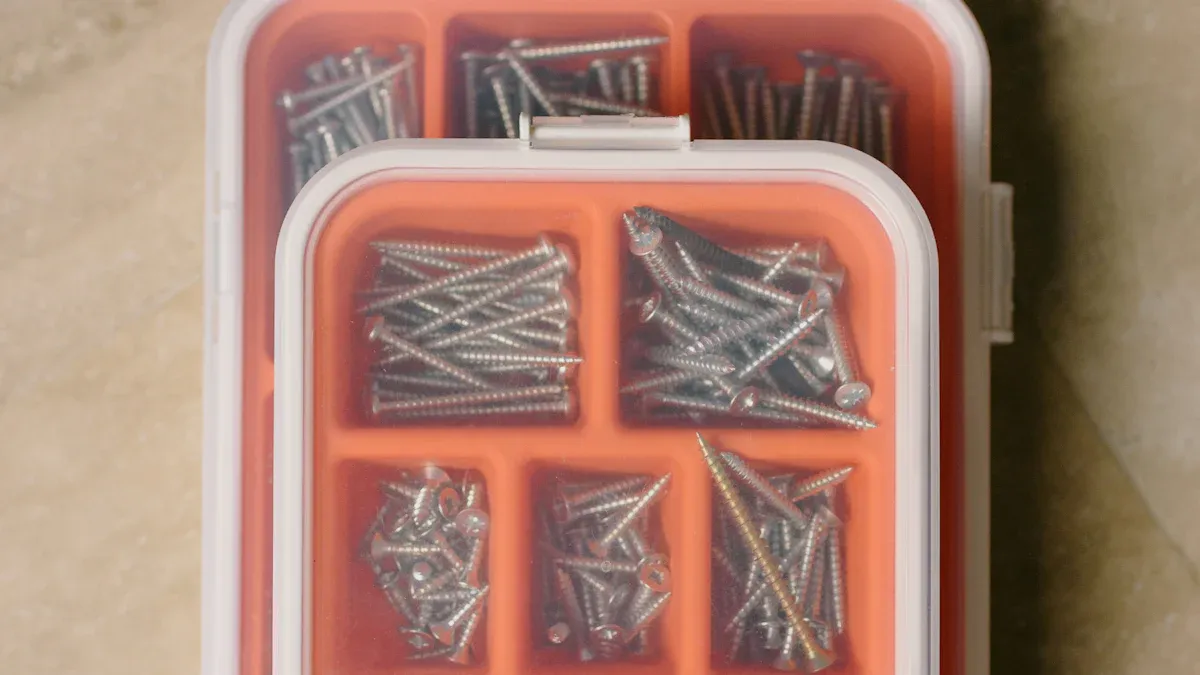
You need to measure hex bolts correctly to ensure a proper fit. Always measure from under the head to the tip, not including the head height. The diameter refers to the major thread diameter, which you can check with calipers for accuracy. Many people make mistakes by including the head in the measurement or confusing the diameter with the shank. You should avoid these errors to get the right hex bolt size guide for your project.
Here is a simple table to help you understand hex bolt dimensions:
| Bolt Size (inches) | الطول (بوصة) | Major Diameter (inches) | Common Thread Pitch (TPI) |
|---|---|---|---|
| 1/2 | 5 | 0.500 | 13 (coarse), 20 (fine) |
| 5/8 | 5 | 0.625 | 11 (coarse), 18 (fine) |
| 3/4 | 5 | 0.750 | 10 (coarse), 16 (fine) |
Hex Nut Specifications
Hex nuts come in different types and sizes to match hex bolts. You need to check the outside diameter and thread pitch to find the right nut. Always record the outside diameter in both inches and millimeters. Count the number of threads per inch to determine the thread pitch. You can use a thread gauge for this step. Hex nuts must match the bolt’s diameter and thread pitch exactly. If you use the wrong nut, the connection will fail.
Common hex nut types include:
- Standard hex nuts for general use
- Heavy hex nuts for structural applications
- Lock nuts for vibration resistance
- Flange nuts for extra grip
Fitment and Compatibility
You must match hex bolts and nuts by size and thread for a secure fit. Start by identifying if you have inch or metric fasteners. Measure the outside diameter and thread pitch. Assemble your measurements as inch OD-TPI, such as 1/2″-13. Take these measurements to a hardware store to find compatible nuts and bolts.
Here is a quick hex bolt size guide for matching bolts and nuts:
- Measure the bolt diameter and thread pitch.
- Use a thread gauge to confirm the thread count.
- Choose a nut with the same diameter and thread pitch.
- Check for special types like lock nuts or heavy hex nuts if needed.
Tip: Always double-check your measurements before buying bolts and nuts. Accurate measurements prevent fitment problems and ensure strong connections.
Standards and Markings for 5 Inch Bolts
Industry Standards (ASTM, SAE, ISO)
You need to know which standards apply when you select a 5 inch bolt. Standards help you compare bolts and nuts from different suppliers. The most common standards are ASTM, SAE, and ISO. Each standard sets rules for bolt strength, material, and testing. You will see these standards on packaging or in catalogs.
Here is a table that shows how each standard matches with bolt grades and uses:
| قياسي | Grade/Class | الوصف |
|---|---|---|
| SAE | Grade 2 | Low-strength carbon steel for non-critical applications. |
| SAE | Grade 5 | Medium-strength steel for automotive and machinery. |
| SAE | Grade 8 | High-strength steel for heavy machinery and aerospace. |
| ISO | Class 8.8 | Medium strength, similar to SAE Grade 5. |
| ISO | Class 10.9 | High strength, similar to SAE Grade 8. |
| ISO | Class 12.9 | Strongest metric fasteners for critical jobs. |
| ASTM | A307 Grade A | Low-strength for non-critical uses. |
| ASTM | A307 Grade B | Medium-strength for piping and flanged joints. |
You should always check the standard before you buy a bolt. This helps you pick the right bolts for your project.
Reading Bolt and Nut Markings
You can find important information on the head of a bolt or on nuts. Markings tell you the grade, strength, and sometimes the maker. You will see lines or numbers stamped on the bolt head. These marks help you match bolts and nuts for safety and strength.
Here is a quick guide to common markings:
| الصف | Bolt Markings | الوصف |
|---|---|---|
| 2 | No marks | For lighter-duty jobs like furniture. |
| 5 | Three radial lines | Medium strength for cars and machines. |
| 8 | Six radial lines | High strength for heavy equipment. |
| 8.8 | Class 8.8 | Strong, general-purpose bolts. |
| 10.9 | Class 10.9 | Very strong for tough industries. |
You should always match the markings on bolts and nuts. This keeps your connections safe and strong.
Certification and Compliance
You need to check for certification when you buy bolts and nuts for important jobs. Certified bolts meet the rules set by ASTM, SAE, or ISO. You may see paperwork or stamps that show the bolt passed tests. This gives you confidence that the bolts will not fail.
You should ask for certificates if you work on bridges, machines, or other critical projects. Certified bolts and nuts help you meet building codes and safety rules. You can also look for the unified thread standard on the packaging. This standard helps you match bolts and nuts with the same threads.
Tip: Always read the markings and ask for certificates when you need strong and safe bolts and nuts.
How to Choose the Right 5 Inch Bolt and Nut
Picking the right 5 inch bolt and nut can feel hard. You need to make sure your choice fits the job. It should handle the weight and last in the environment. If you follow steps, you can avoid mistakes. This helps your bolts and nuts stay strong and work well.
Load and Strength Considerations
You must think about how much weight the bolt will hold. The load tells you which grade and material to pick. If you use bolts for building, focus on safety. For machines, look at how the bolt works in the equipment.
Here is a table that shows important things to check:
| الممتلكات | الوصف |
|---|---|
| قوة الشد | How well the bolt resists breaking when pulled |
| Yield Strength | The stress where the bolt starts to bend |
| Proof Load | The force the bolt can take without changing shape |
Always match the bolt grade to the weight it needs to hold. Grade 5 bolts are good for medium jobs. Grade 8 bolts are better for heavy jobs. If you need more strength, pick bolts with higher tensile and yield strength. Measure the bolt’s diameter and length with calipers to make sure it fits.
When you pick bolts, remember these things:
- How much weight or stress the bolt will face
- How strong the bolt needs to be
- If the bolt needs to resist rust
- What temperatures the bolt will face
To choose the right bolt, start by thinking about the job. Is it inside or outside? Will the weight change or stay the same? For building, focus on safety and strength. For machines, look at how the bolt works in assembly.
Tip: Always look for grade marks on the bolt head. Do not use bolts with no marks or bad threads.
العوامل البيئية
Where you use the bolt matters a lot. If you use bolts outside or in wet places, pick materials that do not rust. Stainless steel bolts are good for wet areas. For dry places inside, carbon steel bolts with a coating may be fine.
Think about temperature changes too. Some bolts get bigger or smaller with heat. If your project gets hot or cold, pick bolts that can handle it.
For tough places, look for coatings like Geomet or galvanized finishes. These help the bolt last longer. If you need extra safety, use lock nuts or washers. They keep the nut from coming loose when things shake.
If you want bolts and nuts you can trust, buy from a good supplier like Prince Fastener. They sell products that meet standards and have clear marks for easy checking.
Installation and Maintenance Tips
Putting bolts in the right way helps them work better. If you want strong joints, follow these tips:
- Put oil on bolts before you put them in. This makes turning easier and helps you tighten them right.
- Tighten bolts in a crisscross way. This spreads the force evenly.
- Tighten bolts again after the machine warms up. This keeps the joint tight.
- Use things like Loctite or lock washers for extra safety.
- Check your torque wrench often. This helps you tighten bolts just right.
- Use new bolts and nuts if you can. Old ones might be weak or damaged.
- Look at the bolt material and thread type. Rolled threads last longer than cut threads.
Note: Check your bolts and nuts often for damage, rust, or looseness. Finding problems early keeps your project safe.
If you follow these steps, you can pick the right bolt and nut for any job. Always think about weight, environment, and how you put them in. Good suppliers like Prince Fastener help you find bolts and nuts that meet your needs and follow the rules.
Troubleshooting and Best Practices
Common Mistakes to Avoid
You can prevent many problems by learning about common mistakes with a bolt, bolts, and a bolted joint. Many people skip important steps when they choose or install a bolt. Here are some mistakes you should watch out for:
- Overlooking applicable industry standards can lead to a bolt or bolts that do not fit or work as needed.
- Ambiguous specifications make it hard to pick the right bolt or bolts for your bolted joint.
- Ignoring tolerance considerations can cause a bolt to fit loosely, which weakens the bolted joint.
- Improper material selection means the bolt or bolts may fail under stress or in harsh environments.
- Inadequate documentation makes it hard to check if your bolt or bolts meet safety rules.
- Not specifying required testing can result in bolts that do not pass quality checks.
Tip: Always double-check your bolt and bolts specifications before you start your project. Clear details help you avoid costly errors.
Ensuring Proper Fit and Performance
You want every bolt and bolted joint to work as planned. Start by measuring the diameter and length of each bolt. Use a thread gauge to match the threads of your bolts and nuts. Pick bolts with the right grade and material for your job. If you use the wrong bolt, the bolted joint may not hold.
Check that each bolt fits snugly in its hole. A loose bolt can cause the bolted joint to fail. Tighten bolts in a pattern that spreads the load. This keeps the bolted joint strong. Use a torque wrench to make sure each bolt gets the right amount of force.
Note: Never reuse a bolt that looks damaged or rusty. New bolts give you better performance and safety.
Maintenance and Inspection
You should inspect every bolt and bolted joint on a regular schedule. Look for signs of rust, wear, or loose bolts. Replace any bolt that shows damage. Clean bolts before you reinstall them. Lubricate threads to make tightening easier and to protect against rust.
Set up a checklist for your bolts and bolted joint inspections. Record when you check each bolt and what you find. This helps you spot problems early and keep your bolted joint safe.
| Inspection Step | What to Look For |
|---|---|
| Visual check | Rust, cracks, or wear |
| Tightness test | Loose bolts |
| Thread condition | Damaged or dirty threads |
Regular care for your bolt, bolts, and bolted joint keeps your project safe and strong.
You now know how to choose the right 5 inch bolt and nut for your project. Always match the length, diameter, thread, grade, material, and coating to your needs. Check bolt head markings for quick details about grade and material. These markings help you keep your work safe and reliable:
- Markings show grade, material, and maker.
- They help you check safety and trace parts.
- You can spot the right bolt fast.
- Standards make sure bolts work well together.
For advanced projects, follow these steps:
- Measure the bolt’s size and thread.
- Pick the right material for the environment.
- Check the load and stress needs.
- Choose a locking nut if needed.
- Look at space and appearance.
- Make sure the bolt meets standards.
If you need more help, use guides from trusted suppliers or industry handbooks.
الأسئلة الشائعة
What does the “5 inch” mean on a bolt?
The “5 inch” tells you the length of the bolt from under the head to the tip. It does not describe the thickness or diameter.
How do you match a nut to a 5 inch bolt?
You need to match the nut to the bolt’s diameter and thread pitch. Use a thread gauge or check the bolt’s markings to find the right nut.
Can you reuse bolts and nuts?
You should not reuse bolts or nuts if they look damaged, rusty, or stretched. New bolts and nuts give you better safety and strength.
What is the difference between coarse and fine threads?
- Coarse threads have fewer threads per inch.
- Fine threads have more threads per inch.
You use coarse threads for quick assembly and soft materials. Fine threads hold better in hard materials.




 العربية
  English
  Español
  Português do Brasil
  Русский
  日本語
日本語