You want a screw that will hold up under pressure and last. Most people choose 18-8 stainless steel because it resists rust and gives strong support. If you need extra strength, you can look at alloy steel with zinc plating. This works well for high-stress jobs. When you pick a screw, think about where you will use it, how much weight it will hold, and how you want it to look. The 4-40 5/16 flat head screw dimnsions make it perfect for flush mounting in tight spaces. At Prince Fastener, you find options that match your project needs.
النقاط الرئيسية
- Pick 18-8 stainless steel for most jobs. It does not rust easily and is very strong.
- For heavy things, use alloy steel with zinc plating. This type is stronger and keeps out some rust.
- Think about where you will use the screw. Stainless steel works best in wet places. Silicon bronze is good for use in water, like on boats.
- Make sure the screw material matches the parts you join. Do not mix different metals. This stops rust and makes things last longer.
- Use the checklist to help you choose. It reminds you to check strength, rust protection, and if the materials work together.
Key Selection Criteria
Strength Needs
You want your screws to keep things together. They should not break. The strength depends on what the screw is made of and its size. The 4-40 5/16 flat head screw is small but strong. It gives you a good mix of size and holding power. You can see the lowest strength for these screws in the table:
| النوع اللولبي | الحجم | Minimum Tensile Strength (lbs) |
|---|---|---|
| Flat Head Socket Cap Screw | 5/16 | 7,800 |
If you need to hold heavy things, pick alloy steel. For most jobs, 18-8 stainless steel is strong enough.
مقاومة التآكل
Rust can make screws weak after some time. Pick a screw material that fits where you use it. 18-8 stainless steel does not rust in most places. It works even near chemicals or food. If you are close to saltwater, you need more protection. The table shows which screws are best for tough places:
| Screw Material | مقاومة التآكل | Best Projects | Best Environments |
|---|---|---|---|
| Silicon Bronze Screws | استثنائي | Boatbuilding, docks, marine structures | Saltwater exposure, coastal humidity |
| 316 فولاذ مقاوم للصدأ | Highest level | Marine structures, coastal exteriors | Saltwater exposure, high humidity |
Electrical Conductivity
Some jobs need screws that let electricity flow. Brass and aluminum are good for this. Stainless steel and alloy steel do not work as well. If you build electronics, remember this before you pick.
Cost Factors
You want to save money on your project. The price of screws includes what they cost and how hard they are to put in. Sometimes, cheap screws are harder to install. Here is a table about cost:
| Aspect | التفاصيل |
|---|---|
| Installation Cost | Putting in fasteners can cost more than the fastener itself. |
| Fastener Types | Different fasteners can change how much your project costs. |
| Cost Implications | Cheap materials can cost more if they are hard to install. |
Ask Prince Fastener for help if you want to save money and get good quality.
Compatibility with Materials
You should use screws that match the parts you join. Stainless steel works with most metals and plastics. If you use aluminum, do not mix with steel screws. This stops rust. Always check that your screws and parts go well together. This helps them stay strong and last longer.
4-40 5/16 Flat Head Screw Dimensions & Material Impact
Why Dimensions Matter
You need to know the size of your screw before you start your project. The 4-40 5/16 flat head screw dimensions tell you how the screw will fit in your materials. The “4-40” means the screw has a number 4 diameter and 40 threads per inch. The “5/16” shows the length of the screw. These details help you choose the right screw for a flush finish. Flat head screws sit level with the surface, so nothing sticks out. This is important when you want a smooth look or need to avoid snags.
Tip: Always check the 4-40 5/16 flat head screw dimensions before you buy. This helps you avoid mistakes and makes your project look neat.
You can use these screws in electronics, small machines, or anywhere you need a tight fit. Prince Fastener offers many options, so you can match the screw size to your needs.
Material Influence on Performance
إن material you pick changes how your screw works. Stainless steel gives you good strength and resists rust. Alloy steel works best when you need extra holding power. Brass and aluminum are lighter and conduct electricity well. Nylon works for light loads and does not rust, but it is not as strong.
You should think about the 4-40 5/16 flat head screw dimensions when you pick the material. A small screw made from a weak material can break. If you use your screw outdoors, stainless steel or coated alloy steel lasts longer. For indoor projects, you can use brass or aluminum if you want a nice finish.
- Stainless steel: Best for most jobs and wet places.
- Alloy steel: Good for heavy loads.
- Brass: Works in electronics.
- Aluminum: Good for light parts.
- Nylon: Use for non-metal parts.
Prince Fastener can help you match the right material to your project. This keeps your work safe and strong.
Material Options Overview
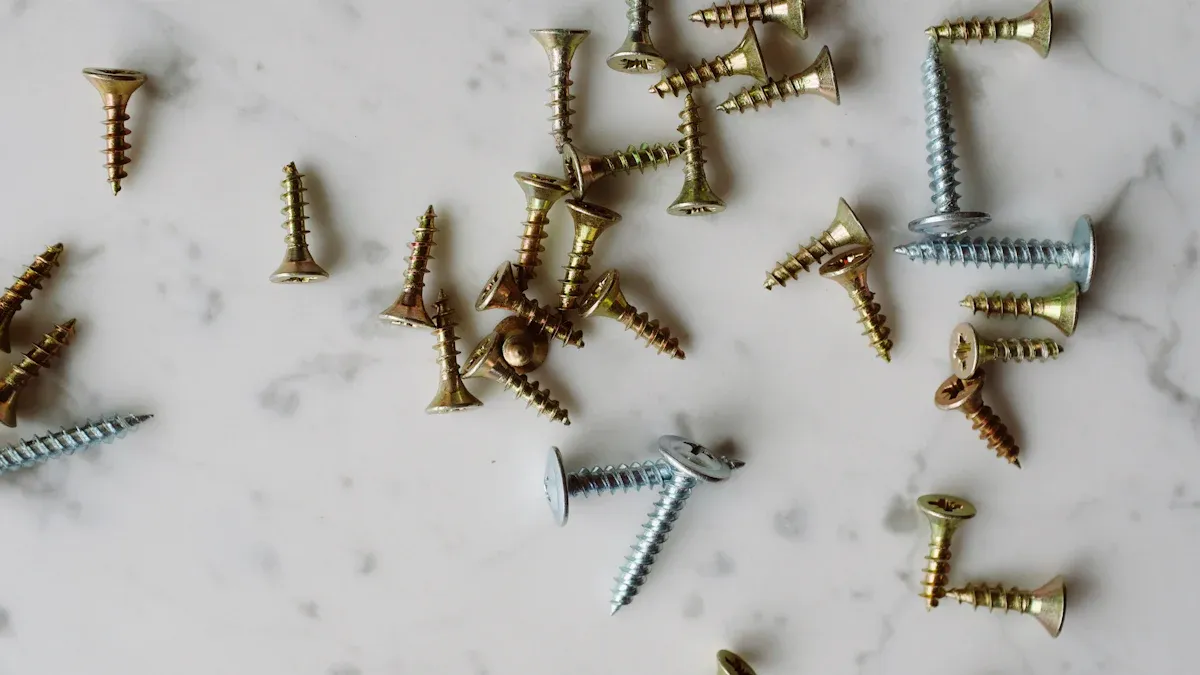
Stainless Steel (18-8)
18-8 stainless steel is a strong and trusted choice. This material does not rust and can handle many chemicals. You can use these screws in wet places or where things must stay clean. The 4-40 5/16 flat head screw dimensions help them fit flat in electronics, machines, and outdoor furniture.
الإيجابيات:
- High strength for most jobs
- Great at stopping rust and corrosion
- Looks clean and nice
- Good for flush mounting
السلبيات:
- Costs more than some other materials
- Not as strong as alloy steel for tough jobs
Best Use Scenarios:
- Metal roofing and drywall
- Building vehicles and engine parts
- Electronics and circuit boards
- Marine construction and boat building
- Outdoor furniture and landscaping
- Medical devices and food equipment
- Aircraft and aerospace parts
Tip: Prince Fastener has many 18-8 stainless steel screws for hard jobs and rough places.
Alloy Steel (Zinc Plated)
Pick alloy steel with zinc plating if you need more strength. The zinc layer helps keep the screw from rusting. These screws are good for machines, tools, and heavy equipment. The flat head lets you mount parts flat with the surface.
الإيجابيات:
- Very high tensile strength
- Great for heavy loads and tough jobs
- Zinc plating helps stop rust
السلبيات:
- Not as good against rust as stainless steel
- Zinc layer can wear off after a while
Best Use Scenarios:
- Machinery and industrial equipment
- Car parts that need strong fasteners
- Heavy-duty tools and fixtures
Note: If you want strength and some rust protection, alloy steel with zinc plating is a smart pick. Prince Fastener can help you get the right size and finish.
النحاس
Brass is a material that does not rust and lets electricity flow. Brass screws look nice and do not rust easily. They are best for electronics, marine jobs, and places where you want a gold look.
الإيجابيات:
- Good at letting electricity pass through
- Strong against rust, even in water
- Looks nice
السلبيات:
- Not as strong as steel
- Can stick or jam in some cases
Best Use Scenarios:
- Engine parts and electrical connections in cars
- Circuit boards and grounding in electronics
- Shipbuilding and underwater systems
- Door hardware and HVAC systems
Tip: Pick brass screws from Prince Fastener for projects that need to look good and work well.
الألومنيوم
Aluminum screws are light and easy to use. These do not rust and look clean. They are great when you want to keep things light, like in electronics or small frames.
الإيجابيات:
- Very light weight
- جيد في إيقاف الصدأ
- Easy to put in
السلبيات:
- Not as strong as steel or brass
- Can break or strip if used for heavy loads
Best Use Scenarios:
- Light assemblies in electronics
- Frames and panels that do not hold much weight
- Projects where rust matters but strength is less important
Note: Prince Fastener has aluminum screws for when you need things light and rust-free.
نايلون
Nylon screws are not metal. These do not rust and do not let electricity pass. Nylon is best for light jobs and when you need insulation.
الإيجابيات:
- Will not rust or corrode
- Does not conduct electricity
- Light and easy to use
السلبيات:
- Not as strong as metal screws
- Can bend or change shape with heat or pressure
Best Use Scenarios:
- Electronics that need insulation
- Light plastic assemblies
- Temporary setups or test models
Tip: Nylon screws from Prince Fastener are good for safe, light, and rust-free projects.
Always pick the material that fits your project. Think about the 4-40 5/16 flat head screw dimensions, where you will use them, and how strong they need to be. يمكن لـ Prince Fastener المساعدة you find the best material for your job.
Finish and Coating Choices
Zinc Plating Benefits
You can choose zinc plating for your 4-40 5/16 flat head screws if you want extra protection. Zinc plating adds a shiny, metallic layer to the screw. This layer helps stop rust and keeps your screws looking new. You get better corrosion resistance than with plain steel. Zinc plating works well for indoor and outdoor projects. It also gives your screws a clean finish that looks good in visible places.
- Zinc plating creates a barrier against moisture.
- The coating helps your screws last longer in damp or humid areas.
- You get a bright, attractive look for your assemblies.
If you need both strength and a nice finish, Prince Fastener offers zinc plated screws that meet these needs.
Plain vs. Coated Stainless Steel
You may wonder if you need a coating on stainless steel screws. 18-8 stainless steel already resists rust and chemicals very well. You can use plain stainless steel in kitchens, hospitals, and outdoor spaces. It keeps its clean, polished look even in tough spots. Coated stainless steel adds another layer of protection, but for most jobs, plain 18-8 stainless steel works best.
- 18-8 stainless steel stays strong in harsh environments.
- You do not need extra coatings for most uses.
- You get a smooth, shiny finish that matches many materials.
If you want to keep things simple, choose plain stainless steel from Prince Fastener for long-lasting results.
Aesthetic and Functional Considerations
You should think about both how your screws look and how they work. Some finishes change the color and style of your screws. Others add more protection. Here is a quick guide:
| Material/Finish | مقاومة التآكل | المظهر |
|---|---|---|
| سبائك الصلب | Good, may need coating | قياسي |
| Zinc Plated Steel | Enhanced resistance | Shiny, metallic |
| 18-8 فولاذ مقاوم للصدأ | Exceptional resistance | Clean, polished |
| Black Oxide Alloy Steel | Additional protection | Dark, matte |
- Black oxide gives a dark, matte finish and extra corrosion protection.
- Zinc plating gives a bright, shiny look and helps stop rust.
- Stainless steel gives a polished, clean style and top-level durability.
You can match the finish to your project’s look and needs. Prince Fastener can help you pick the right finish for both style and strength.
Material Comparison Table
Quick Reference Guide
You want to find the best screw material for your project. This table lets you compare the main choices for 4-40 5/16 flat head screws. Check each feature and see what works for you.
| المواد | القوة | مقاومة التآكل | Electrical Conductivity | الوزن | المظهر | Best Use |
|---|---|---|---|---|---|---|
| 18-8 Stainless | عالية | ممتاز | منخفضة | متوسط | Polished Silver | Most jobs, outdoors |
| Alloy Steel (Zinc Plated) | عالية جداً | جيد | منخفضة | متوسط | Shiny Silver | Heavy loads, machinery |
| النحاس | متوسط | جيد | عالية | متوسط | Gold | Electronics, decor |
| الألومنيوم | Low-Medium | جيد | عالية | Light | Silver | Light assemblies |
| نايلون | منخفضة | ممتاز | None | Very Light | White/Clear | Insulated, light loads |
Tip: Pick 18-8 stainless steel from Prince Fastener if you need a screw for wet or outdoor places. For heavy-duty work, alloy steel with zinc plating gives extra strength.
How to use this guide:
- Look at the “Strength” column if you need strong support.
- Check “Corrosion Resistance” for damp or outdoor projects.
- Pick “Electrical Conductivity” for electronics or wiring.
- Choose “Weight” if you want your project to be light.
- Match “Appearance” to your design style.
- Read “Best Use” for quick tips.
قفل الأمير السحابة has all these materials. You can ask for help if you are not sure which one is right. Use this table to make a smart choice and keep your project safe and strong.
Application Guide
Electronics & Electrical Use
You need screws that keep your devices safe and working. In electronics, you want materials that resist corrosion and sometimes conduct electricity. Stainless steel works well for most indoor and outdoor electronics. Brass and silicon bronze give you good conductivity and do not rust. For a clean look, you can use black oxide steel, but only indoors.
Here is a quick guide for electronics and electrical assemblies:
| Material/Finish | Why Choose It? |
|---|---|
| 18-8 / 304 Stainless | Resists rust, works indoors and outdoors |
| 316 Stainless | Best for salty or chemical-heavy places |
| Carbon Steel, Zinc Plated | Good for dry, indoor spaces |
| Black Oxide Steel | Matte black look, use with oil for extra protection |
| Brass / Silicon Bronze | Conducts electricity, resists rust, non-magnetic |
Tip: For most electronics, pick 18-8 stainless steel or brass screws from Prince Fastener. These keep your circuits safe and last a long time.
Outdoor & Moisture-Prone Areas
You want your screws to last outside or in wet places. Stainless steel gives you the best all-weather protection. For marine or coastal jobs, 316 فولاذ مقاوم للصدأ stands up to salt and water. Ceramic-coated screws also work well for decks and fences. Galvanized steel costs less but may rust over time. Silicon bronze works best for boats and docks.
- 316 Stainless Steel: Top choice for marine and coastal areas
- 304/305 Stainless Steel: Good for most outdoor uses
- Ceramic-Coated Screws: Great for decks and fences
- Hot-Dipped Galvanized: Thick zinc layer for rust resistance
- Silicon Bronze: Best for marine jobs
Note: Prince Fastener offers stainless and silicon bronze screws for outdoor projects. These keep your work strong and rust-free.
High-Stress Environments
You need strong screws for heavy machines or parts under stress. Alloy steel with zinc plating gives you high strength and some rust protection. Stainless steel works for most jobs, but alloy steel handles the toughest loads. Use these in engines, tools, and industrial equipment.
- Alloy Steel (Zinc Plated): Handles heavy loads, resists some rust
- 18-8 Stainless Steel: Good for most high-stress jobs
- Black Oxide Alloy Steel: Adds a dark finish and extra protection for indoor use
Choose Prince Fastener’s alloy steel screws for machines and tools that need extra holding power.
Lightweight Assemblies
You want to keep things light but still strong. Aluminum and nylon screws weigh less than steel. Aluminum gives you a good mix of strength and low weight. Nylon works for plastic parts and does not rust. Brass and stainless steel also fit when you need both lightness and a nice look.
| المواد | Why Choose It? |
|---|---|
| الألومنيوم | Light, strong enough for small frames and panels |
| نايلون | Very light, resists chemicals, insulates well |
| النحاس | Light, resists rust, looks good |
| الفولاذ المقاوم للصدأ | Light, resists rust, works in wet places |
| Steel | Strong, but heavier than other options |
- Nylon 6/6: Best for very light or plastic parts
- Aluminum: Good for frames and panels
- Brass: Adds style and resists rust
Prince Fastener supplies aluminum and nylon screws for projects where every ounce counts.
Decorative Applications
You want your project to look its best. Solid brass and stainless steel give you a polished, high-end finish. Chrome or brass plating adds shine and style. Use finishing washers with flat head screws for a flush, neat look. These choices work well for furniture, displays, and visible hardware.
- Solid Brass: Classic gold look, resists tarnish
- Stainless Steel: Shiny, modern finish, resists rust
- Chrome or Brass Plating: Adds extra shine
- Finishing Washers: Make the screw sit flush and look neat
For beautiful results, ask Prince Fastener about decorative screws and matching washers. These help your project stand out.
Decision Checklist
Step-by-Step Selection
You want to pick the best material for your 4-40 5/16 flat head screws. Use this checklist to make your choice simple and smart. Follow each step and check off your answers.
- Know Your Project Needs
- Write down where you will use the screw. Is it indoors or outdoors? Will it face water, chemicals, or heat?
- Check Strength Requirements
- Decide how much weight or force the screw must hold. For heavy loads, choose alloy steel. For most uses, 18-8 stainless steel works well.
- Think About Corrosion Resistance
- If you see moisture, pick stainless steel or zinc-plated alloy steel. For saltwater, use 316 stainless or silicon bronze.
- Consider Electrical Needs
- For electrical work, use brass or aluminum. These let electricity flow. Nylon works if you need insulation.
- Look at Appearance
- Choose a finish that matches your project. Stainless steel looks polished. Zinc plating shines. Brass gives a gold look.
- Check Compatibility
- Make sure the screw material matches the parts you join. Avoid mixing steel with aluminum to stop rust.
- Review Cost
- Balance quality and price. Sometimes, a stronger or rust-proof screw saves money in the long run.
- Ask for Help
- If you feel unsure, contact Prince Fastener. The team can help you pick the right screw for your job.
🛠️ نصيحة: Print this checklist and keep it with your project plans. You can check each step as you go.
| Step | Best Material Example |
|---|---|
| Outdoor Use | 18-8 فولاذ مقاوم للصدأ |
| Heavy Loads | Alloy Steel (Zinc Plated) |
| إلكترونيات | Brass or Aluminum |
| Light Weight | Aluminum or Nylon |
You can trust Prince Fastener for advice and quality screws. Use this checklist to make your project strong and safe.
You can choose 18-8 stainless steel for most projects. Alloy steel works best when you need extra strength. Always match the screw material and finish to your job’s needs. Use the checklist and comparison table to help you decide.
- Prince Fastener offers expert advice for special projects.
- You can ask for help if you have unique requirements or need to check compatibility.
Tip: The right screw keeps your work safe and strong.
الأسئلة الشائعة
What does “4-40 5/16 flat head” mean?
You see “4-40” for the screw size and thread count. “5/16” shows the length in inches. “Flat head” means the screw sits flush with the surface.
Which material should I use for outdoor projects?
يجب عليك اختيار 18-8 stainless steel. This material resists rust and lasts in wet or outdoor places. Prince Fastener offers many stainless steel options for your needs.
Can I use these screws in electronics?
Yes, you can use brass or stainless steel screws in electronics. Brass conducts electricity well. Stainless steel resists rust and works for most devices.
How do I choose the right finish?
You should match the finish to your project. Zinc plating gives a shiny look and helps stop rust. Stainless steel gives a clean, polished style.
Where can I get help with my screw selection?
You can contact Prince Fastener for expert advice. The team helps you pick the best material and finish for your project.


 العربية
  English
  Español
  Português do Brasil
  Русский
  日本語
日本語